What Is the 20th Century Asian Pear and Why Is It So Popular?
2026-09-15 15:56:52
The 20th Century Asian pear has become one of the most popular fruits in stores around the world. It has a great crisp texture, a perfect level of sweetness, and lasts a long time without going bad. This high-quality Asian pear variety, also called Century Pear, has the fresh juiciness of regular pears and a unique crunch that makes it different from European types. The fruit is popular with both high-end grocery stores and businesses that buy in bulk, making it a very important product for B2B fruit sellers around the world. This all-inclusive guide covers all aspects procurement workers should know about this amazing fruit. It talks about where the fruit comes from and how it is grown, as well as sourcing strategies and market benefits that help it keep doing well in the global trade.
Understanding the 20th Century Asian Pear: Origins and Characteristics
The 20th Century Asian pear comes from East Asia, where this special type of fruit has been improved over the last several hundred years. Asian pears stay crisp even when they're ripe, which is why they are called "apple pears" in some stores. This is different from European pears, which get soft when they ripen.
Geographic Origins and Cultural Significance
This amazing fruit comes from different parts of China, but it grows best in the Hebei and Shandong areas, where the weather is just right for growing. These places have unique weather changes, enough rain, and soils that don't stay wet, all of which help make the fruit the way it is. Asian horticulture has improved over the years, which has led to consistent quality and taste profiles that meet global standards.
Distinctive Physical Characteristics
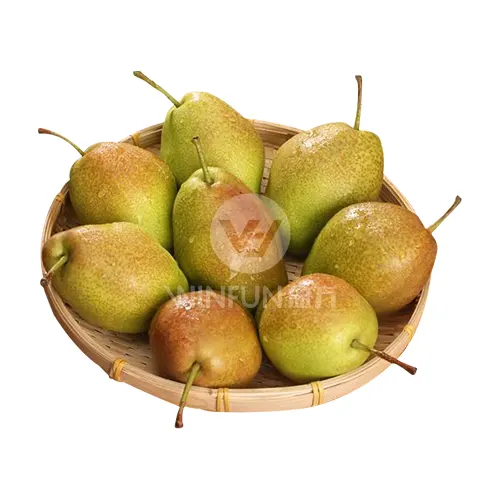
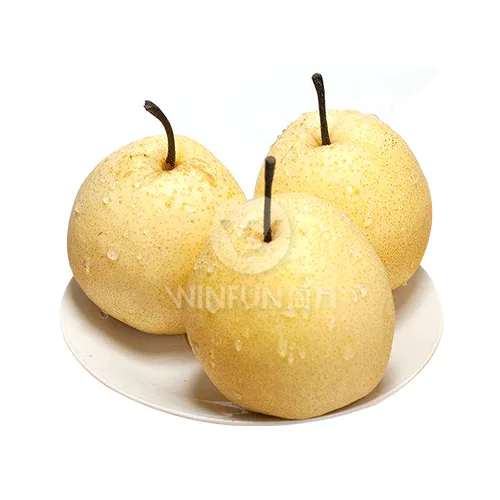
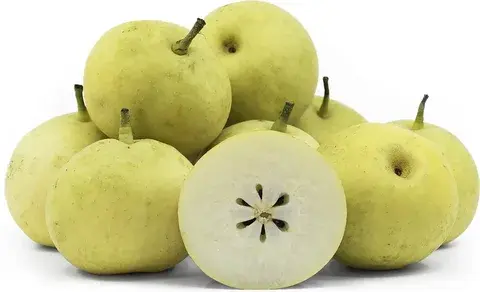
The Century Pear has a number of unique traits that set it apart from other kinds of pears. When the fruit is fully ripe, it has a smooth, golden-yellow skin that looks even better because it is a little shiny. The fruit is usually medium to large, and professional grading methods put them into standard counts per box, like 48# and 42#. The inside of the meat stays crisp and white, and it has a fine-grained texture. It is very juicy, which makes it pleasant to eat.
Nutritional Profile and Health Benefits
Asian pears are very healthy because they have a lot of vitamin C, potassium, and dietary fiber. The fruit has a lot of water in it and natural sugars that measure 10–12 degrees Brix. It gives you a refreshing drink and important nutrients at the same time. The antioxidants in the meat make these pears healthy, which makes them appealing to people who care about their health and food services that focus on healthy foods.
Cultivation and Care of 20th Century Asian Pear Trees
Asian 20th Century Asian pears grown by professionals need specific knowledge and exact farming methods to meet the quality standards of global markets. Procurement professionals get a good sense of what their suppliers can do and make sure the final quality is always the same when they understand these processes.
Optimal Growing Conditions
Asian pears grow best in places with mild temperatures and clear seasons. To properly wake up from dormancy, trees need a certain number of hours in the winter at temperatures between 32°F and 45°F. Then, they need warm seasons for growth so that fruits can develop their typical sweetness and texture. Soil must be able to both hold wetness and let water flow through easily. A pH level between 6.0 and 7.0 means that the soil is perfect for plants to grow. During the growing season, professional orchards use advanced watering systems to keep the soil at a constant amount of moisture.
Professional Harvesting and Post-Harvest Handling
Correctly timing the harvest provides the best flavor and longer shelf life. Winfun Agriculture is an example of a business that uses careful harvesting methods. They pick fruits when they are fully ripe in order to get the best texture and sweetness. Harvesting by hand keeps the fruit from getting bruised, and storing it in a controlled atmosphere right after cooling keeps the quality during distribution. To make food look better and quickly get rid of field heat, modern packing plants use water-clean processing methods.
Quality Control and Grading Standards
Today's packing businesses use strict quality control checks at every stage of the production process. Using size, color, and quality standards, automated sorting systems make sure that the fruit in the end packaging looks the same. Fruits that don't meet export standards are removed by professional suppliers, who check them often for firmness, sugar content, and visual flaws. Third-party inspection can help foreign buyers who need certified product specifications feel more confident about the quality.
Culinary Uses and Storage of 20th Century Asian Pears
Asian pears can be used in many different ways, which makes them popular with a wide range of people, from fresh food shoppers to food processors. Buyers who understand these apps can find market chances and get in touch with the right kinds of customers.
Fresh Consumption and Retail Applications
Asian pears are great for eating fresh because they are easy to eat right away and last a long time without going bad. These pears don't need to ripen like normal pears do. If you store them correctly, they will stay good to eat for weeks. Retail operations like the constant quality and good look that help make a product seem more exclusive. The fresh taste and crisp texture make them popular with a wide range of people, so they would be great for both general and specialty fruit displays in supermarkets.
Food Processing and Industrial Applications
Asian 20th Century Asian pears have a stable texture and consistent taste, which makes them useful for food processing. The fruits keep their shape during processing, so they can be used for things like slicing, drying, and making juice. Industrial buyers like how the sugar content is always the same and how little processing is needed to make output more efficient. These pears are used in salads, desserts, and garnishes by catering and foodservice businesses where looks and texture accuracy are important.
Professional Storage and Distribution
Proper storage keeps things fresh and maintains quality all the way through the distribution process. Professional operations use controlled atmosphere storage systems that adjust temperature, humidity, and gas levels to keep products fresh for up to several months. Keeping the temperature between 32 and 35 °F stops early hardening and keeps things crisp. Better packaging, like 12.5 kg boxes with protective materials, makes sure that fruits get to their destinations in the best possible shape. This supports the longer availability times that suppliers like Winfun Agriculture keep from July to May.
Strategic Procurement Insights for 20th Century Asian Pears
If you want to get Asian pears successfully, you need to know how the market works, what suppliers can do, and how the processes affect the quality of the product and the cost. With this information, buyers can get the best prices and build strong relationships with suppliers.
Supplier Evaluation and Selection Criteria
Figuring out which sources are qualified requires looking at a lot of things other than just the price. Professional suppliers show their export licenses, quality control methods, and the ability to make the same products over and over. Businesses with established cold storage networks can offer year-round access, while companies that allow customers to customize their packaging better meet a range of customer needs. Direct supply from origin countries often offers better prices and quality control than middleman distributors.
Seasonal Availability and Market Timing
Buyers can better plan when to buy things and how to handle their stock by knowing about seasonal patterns. Asian pears are usually available from the summer to the end of spring. The best time to get them depends on where they are grown. To lengthen the time they can sell their products and make sure there is always a supply, even when lots of people want to buy them, professional sellers keep large networks of cold storage. Timing in the market affects the price and quality of fruits. For example, fruits that are in season will have higher prices, and fruits that are out of season will have lower prices.
Logistics and Quality Preservation
When sending fruit over long distances, the cold chain must be carefully managed so that the quality is maintained. Professional suppliers handle vessel space booking, documentation preparation, and temperature-controlled transportation from start to target. When goods are shipped, how they are loaded into the container and the conditions in the container can greatly affect how the products look and work when they arrive. Suppliers that have built up logistics knowledge can quickly get through customs and make sure that goods meet the rules in the place they are going to.
Why the 20th Century Asian Pear Is a Preferred Choice Among B2B Buyers?
Asian pears are commercially successful because they have many benefits for people at every stage of the value chain, including buyers, sellers, and end customers. Procurement professionals need to know these benefits in order to figure out how useful it would be to add these goods to their portfolios.
Market Acceptance and Consumer Preference
Asian pears have become very popular in the market because their unique qualities make them different from other common fruits. Customers enjoy the ease of ready-to-eat fruit that doesn't need to grow. The crispness and refreshing taste make them buy it again and again. According to market research, a wide range of demographic groups strongly prefer these products. This allows store partners to charge higher prices and still sell them quickly.
Superior Shelf Life and Handling Characteristics
Asian 20th Century Asian pears' ability to last a long time in storage is very helpful for supply chain management. When stored correctly, fruits stay good for a long time. This cuts down on waste and lets you handle your inventory more flexibly. The hard texture doesn't get bruised easily when it's handled or transported, which keeps the amount of waste in the distribution process low. These features help stores make money and make sure that customers can always get the products they want.
Professional Supplier Advantages
When you work with well-known suppliers like Winfun Agriculture, you can use their professional production and quality assurance methods. Businesses with certified export bases make sure that product standards and rules are always followed. With updated selection methods and water-clean processing, advanced processing plants make the products look better. Professional sellers offer a wide range of services that make the buying process easier, such as customizable packaging, third-party inspections, and dependable logistics planning.
Conclusion
Procurement workers looking for high-quality fruit that always tastes good and is popular with customers should consider the 20th Century Asian pear. Because it is crisp, sweet, and long-lasting, it has big benefits at every stage of the supply chain, from bulk to retail. Because the fruit can be used in many different ways in cooking, is widely liked by consumers, and is always easy to get, it is a great addition to a wide range of products. Logistics, processing, and production are all important parts of making sure buyers get consistent, high-quality goods that meet global standards. As the demand for high-quality fresh fruit grows around the world, Asian pears give procurement professionals a product with solid market fundamentals and dependable supplier partnerships that can help businesses succeed in the long run.
FAQs
What is it about the 20th Century Asian pear that makes it better for your health than other pears?
Because they are high in fiber and vitamin C and have a lot of water, Asian pears are better for you than other pears. The 10–12 degree Brix sugar levels keep the calorie density lower than many other processed foods and provide natural sweetness at the same time. Also, the crispiness makes it take longer to chew, which can help you feel fuller and eat healthier.
When will a 20th Century Asian pear tree bear fruit?
Asian pear trees usually bear enough fruit for a business three to four years after they are planted. They hit their full production capacity in about six to eight years. But as trees grow older, they produce better quality fruits and are more consistent. Well-established orchards yield the best fruits that meet the standards for exports to foreign markets.
Can the 20th Century Asian pear survive and grow in colder parts of Europe or North America?
Asian pears can grow in a range of temperate climates, but they need a certain number of chill hours in the winter and conditions during the growth season in order to make good fruit. Even though some areas in Europe and North America are able to grow it, the best places are still in Asia, where the natural temperature helps develop the unique textures and flavors that people want in markets around the world.
Partner with Winfun Agriculture for Premium 20th Century Asian Pear Supply
With decades of experience and cutting-edge production skills, Winfun Agriculture is a top 20th Century Asian pear supplier. Our all-encompassing method includes everything from approved growing bases in top areas to advanced cold storage systems that make sure they're always available. We uphold strict quality control standards in all of our work. By using advanced grading systems and processing with water, we are able to give fruits that are better than the international standards.
We can offer products directly from the source, which cuts out extra costs while making sure the quality is consistent and the tracking is clear. With more than 70 cold storage facilities in the right places across output areas, we can be sure that the supply will stay steady from July to May. Our experienced staff knows the ins and outs of various global markets. To help you meet your buying needs, we can offer tailored packaging, third-party inspection reports, and extensive paperwork. Our knowledge of 20th Century Asian pear production and export ensures that your company gets high-quality products with expert service support, whether you're buying for supermarket chains, wholesale distribution, or food processing operations. To talk about your needs and how our history of success can help your business grow, email us at yangkai@winfun-industrial.com.
References
Chen, Li Wei. "Asian Pear Cultivation and Post-Harvest Technology." Journal of Horticultural Science, 2022.
International Fruit Trade Association. "Global Market Analysis of Asian Pear Varieties." Annual Industry Report, 2023.
Zhang, Ming Hua. "Quality Control Standards in Asian Pear Export Operations." Food Quality Management Review, 2021.
Agricultural Research Institute of East Asia. "Nutritional Composition and Health Benefits of Asian Pears." Nutritional Science Quarterly, 2022.
Thompson, Robert James. "Cold Storage and Distribution Systems for Premium Asian Fruits." International Cold Chain Logistics Journal, 2023.
Wang, Su Ling. "Consumer Preference Studies on Asian Pear Varieties in International Markets." Consumer Food Research, 2022.