Why Swiss Brown Mushroom Is Growing in Popularity?
2026-09-09 11:26:28
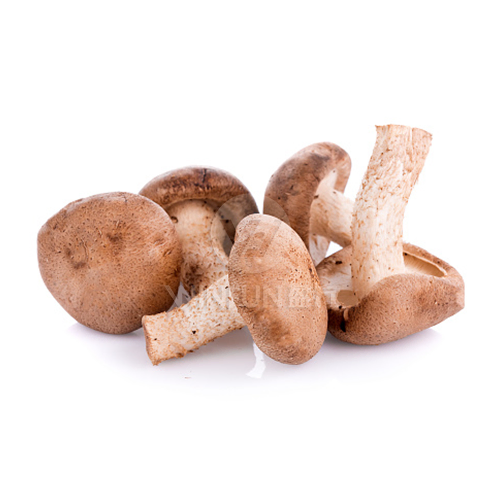
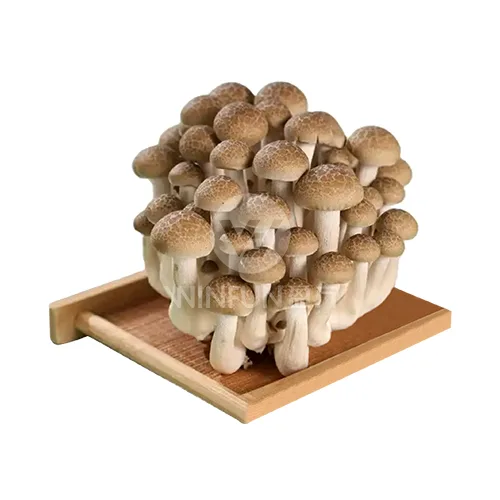
Food workers all over the world are interested in Swiss brown mushrooms because they have a great taste, last longer, and meet consistent quality standards. These brown-capped mushrooms, which are also called cremini or baby bella mushrooms, are from the Agaricus bisporus species. They taste earthier and richer than their white button cousins. Their growing popularity is due to their firm texture, high nutritional value, and ability to be used in a variety of cooking methods. These are all important qualities for purchasing managers, food manufacturers, and distributors who need to find reliable ingredients that make products more appealing while still meeting strict quality standards.
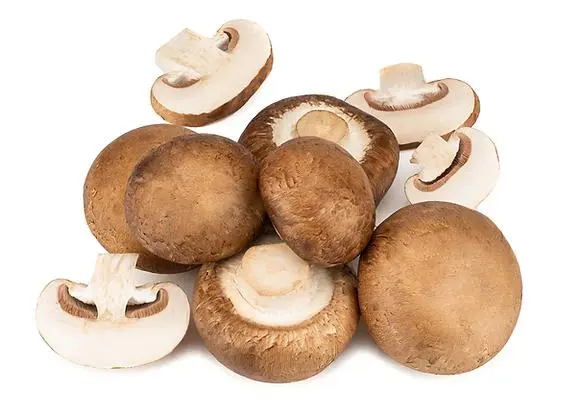
What Makes Swiss Brown Mushroom Unique in the Mushroom Market?
There are many kinds of mushrooms on the market, but Swiss brown mushrooms stand out because they have unique qualities that make them useful for both food preparation and business.
Nutritional Profile and Health Benefits
Minerals like selenium, potassium, and copper are also found in these mushrooms. They also have important B vitamins like riboflavin and niacin. Their antioxidant benefits help the defense system, which makes them appealing to people who care about their health. Processed foods, ready-made meals, and restaurant plates get more nutrition from the protein and fiber without adding too many calories. This nutritional richness lets food companies make more accurate claims on labels while still meeting customer expectations for healthy ingredients.
Flavor and Texture Superiority
These mushrooms are different from milder white button types because they have a strong, nutty taste. Their thicker, harder texture holds up really well when cooking, whether you're sautéing, grilling, roasting, or stir-frying, without letting out too much water. This structural stability is very important in food preparation, where uniformity affects the quality of the finished product. Chefs in restaurants like these mushrooms because they stay firm in stews, risottos, and grills, so they can be used consistently in all of these dishes.
Extended Shelf Life and Storage Stability
Commercial buyers look for goods that reduce waste and make it easier to move supplies. If you keep these dark mushrooms properly in the fridge, they will last longer than white mushrooms. Their lower moisture content makes them more stable in storage and less likely to shrink or go bad during distribution. For wholesalers, retailers, and food service providers who manage big stocks across long supply lines, this trait directly means lower costs.
Botanical Background and Cultivation Advantages
Swiss brown mushrooms are a different type of Agaricus bisporus, but they look and grow the same as white buttons and portobello mushrooms. They are basically baby portobellos that have been picked before they are fully grown. This stage of growth gives the best taste concentration while keeping the right size for a variety of uses. Growers can make these mushrooms using controlled environment methods that make them available all year, which is important for buyers who need a steady supply no matter what the seasons are like.
When procurement workers understand these unique market characteristics, they can see why Swiss brown mushrooms are at the top of the food groups. Because they taste good, are good for you, and are useful, they make strong value models for companies all along the food supply chain.
Cultivation and Quality Factors Driving Swiss Brown Mushroom Demand
Modern methods of production and quality control have made Swiss brown mushrooms less of a unique item and more of an everyday ingredient in business food operations.
Advanced Growing Techniques
The first step in cultivation is choosing a good base, which is usually made of recycled materials that provide the best nutrition. When spores are introduced, they start the growth of mycelium, which is what mushrooms grow on. Climate-controlled settings keep the temperature, humidity, and air flow just right, which makes sure that everything grows evenly. This controlled agriculture method gets rid of a lot of the factors that can change when growing outside. It provides buyers with the uniform quality and sizes they need for standardized food production processes.
Organic Certification and Sustainable Practices
More people want approved organic options because they are learning more about how farms work. By using sustainable methods like recycling trash, saving water, and natural pest control, producers meet licensing standards and care for the environment at the same time. Organic approval opens up new, more expensive markets and fits in with the green goals of big stores and food service companies. Third-party checking gives you proof that your paperwork meets the rules in all of your export markets.
Supply Chain Transparency and Traceability
More and more, buyers want to know where products come from and how they are handled. Direct supply relationships from approved export bases get rid of the middlemen who can ruin freshness or cause quality problems. Traceability systems keep track of every step, from growing the plants to packaging them. This makes everyone responsible, which lowers the risk for suppliers and sellers. This openness helps make sure that food safety rules are followed and lets people act quickly if there are quality problems anywhere in the transportation network.
Quality Grading and Standardization
Consistent grade standards make it easier to handle assets and buy things. Size regularity is important for controlling portions in food service and for making packaging more efficient in shopping. Color uniformity affects how things look on shop shelves and in ready-made meals. Modernized selection systems that use automatic grading technology make sure that every shipment meets certain standards. This lowers the number of shipments that are rejected and supports quality control standards across all delivery channels.
Winfun Agriculture runs authorized export sites that are equipped with cutting-edge systems for growing and preparing crops. At every step of the production process, from making sure plants grow in the best conditions to making sure they are safely packaged, our sites have strict quality controls. We give buyers written proof that our goods meet certain standards by having a third party check them before we ship them. Our direct supply model from origin guarantees freshness, and our mixed packing options make it easy for businesses that buy a lot of different kinds of food to make the most of their containers.
Together, these growing and quality factors explain why Swiss brown mushrooms have gone from being niche goods to being important ingredients in food businesses around the world. Businesses that buy in bulk face basic buying problems that these services solve by being reliable and consistent.
Why Swiss Brown Mushroom Is Preferred by Global Food Manufacturers and Distributors
Businesses that sell food need products that are a good mix of quality, usefulness, and cost-effectiveness. In all of these areas, Swiss brown mushrooms do very well, which is why they are becoming more popular in production sites and delivery networks.
Versatility Across Food Processing Applications
These mushrooms don't have any problems with different ways of making things. When used to make ready-made meals, they can go through retort processing and freezing without losing a lot of their structure. Manufacturers of soups and sauces like how they look and how they taste. When mixed with spices, dried and powdered forms naturally make them taste better. Because it is flexible, single-source procurement can be used for more than one product line. This makes managing vendors easier and lowers the amount of work that procurement teams have to do.
Cost-Effective Procurement Benefits
Swiss brown mushrooms are more expensive than specialty mushroom types, but they taste better and are better for you. Their longer shelf life means that they lose less food during storage and shipping. Being able to buy in bulk from dependable sources lets you get better prices based on volume. Mixed loading choices with produce items that go well together make the best use of containers and lower the cost of shipping each unit. This is especially helpful for businesses that are bringing a lot of fresh goods at once.
Consumer Appeal and Market Differentiation
Product designers know that choosing the right ingredients affects how customers feel and what they buy. People who want to try more sophisticated foods without using strange or unusual ingredients like menu items that include these mushrooms. Products in stores that list them as main ingredients get extra sales because people associate them with natural, healthy foods. This draw to customers gives the company a competitive edge in markets that are already full, where differentiating products is what drives sales.
Reliable Supply and Logistics Efficiency
Distributors need sellers who can keep up with delivery times and make sure there are always products available. Year-round farming makes sure that there is a steady supply, even when field foods' seasons change. Established cold chain transportation rules keep the quality of goods while they are being shipped internationally. Shipment delays that make it hard to plan goods are avoided by suppliers who can buy vessel space. These operational dependabilities lower business risk and help just-in-time inventory tactics that need less operating capital.
Because they work well, don't cost too much, and are popular with customers, Swiss brown mushrooms are important products for food businesses that want to focus on quality and making money. Companies that work with experienced providers get access to high-quality products more reliably, which gives them a competitive edge.
How to Select and Procure Swiss Brown Mushrooms for Your Business
To do procurement right, you need to use a methodical review process and build smart relationships with your suppliers that give you consistent results over time.
Quality Assessment Criteria
Visual inspection gives you the first clues about quality. Look for hard caps that are all the same shade of brown and have smooth, pristine surfaces. The stems should be whole and not have any soft spots or changes in color. Fresh examples have a clean, earthy smell that doesn't include musty or ammonia-like smells that mean they are breaking down. Product quality is protected by the purity of the packaging. Check to see if the cases are damaged or if the refrigeration wasn't working right during transport. Before agreeing to big orders, ask for samples. This lets quality teams do thorough tests in real-world settings.
Supplier Evaluation and Certification Verification
Doing research on possible sellers lowers buying risk by a large amount. Check to see if the places where the goods are made have export certificates from official bodies. Look over the paperwork about food safety, like HACCP compliance and third-party audit records. Check to see if your sources have worked with your target markets before. Knowing the rules helps avoid customs delays and rejections. Established providers show their track records by giving client references and having business relationships that last for years.
Pricing Strategy and Contract Negotiation
Prices on the market change based on quantity and demand, the time of year, and the value of the dollar. Trade magazines and market reports can help you keep an eye on how prices are changing in your business. A lot of the time, promises to buy in bulk get better prices and keep supply first when the market is tight. Long-term contracts make budgeting easier, but they need terms that allow for freedom in case of "force majeure." Talk to your provider about payment terms while keeping your cash flow needs and the relationship you want with them in mind. A history of on-time payments can help you get better prices and faster service.
Sourcing Channels and Logistics Coordination
When you work directly with farmers who want to sell, you cut out the middlemen and their markups. This makes communication and problem-solving better. Suppliers can be found and contacted more easily through online business-to-business (B2B) platforms. However, operational skills must be confirmed during on-site trips before partnerships are finalized. To avoid bottlenecks, make sure that shipping plans and receiving center capacities are in sync. Learn what paperwork is needed for the places you're going to and make sure your providers give you the certificates and inspection reports you need. Handling cold chains in a certain way is important, so make sure that your providers and freight forwarders keep the right temperature controls in place during travel.
Winfun Agriculture has a lot of experience working with foreign buyers in the food service, retail, and processing industries. Our updated facilities use water-clean processes that makes things look better while keeping their natural quality. We offer a range of flexible packing choices, such as 3 kg and 2.76 kg cartons, to meet the needs of different businesses. Mixed loading lets you put Swiss brown mushrooms together with other types of mushrooms or produce that goes well with them, which saves time and money on freight. Our network of cold storage facilities allows for constant delivery all year long, and our ability to purchase vessel space guarantees on-time supplies.
Contacting known suppliers with specific questions shows that you are serious about buying something and makes it easier to have a useful conversation. Talking in detail with providers about the amount needed, quality standards, delivery times, and certification requirements helps them give accurate quotes and service promises.
Future Trends and Opportunities in the Swiss Brown Mushroom Market
Things in the market are always changing, which is good for businesses that can see new trends coming and change to them.
Growing Health and Wellness Focus
More people of all ages are eating mushrooms because they want to eat healthy foods that have been treated as little as possible. Labeling Swiss brown mushrooms as healthy foods with proven health benefits helps them sell better. Adding them to food products is in line with health trends and improves the nutritional profiles of the products. This move by consumers toward functional foods suggests that the need for healthy ingredients that are also tasty will continue to grow.
Technological Innovation in Cultivation
Automation and precise agriculture tools make farming more consistent and efficient. Vertical farming methods make more food while leaving less damage on the earth. Data analytics improves growth conditions so that the least amount of resources are used to get the best results. These new ideas make suppliers more reliable and may eventually lower price pressures, which is good for buyers because it means better cost stability and product consistency.
Sustainability and Ethical Sourcing Priorities
Corporate responsibility programs are having a bigger impact on how big food companies and shopping chains buy things. Preferred seller standing is given to suppliers who show they care about the environment and treat workers fairly. Goals to lower carbon emissions urge sourcing from nearby areas when possible, but quality and dependability should still be the major concerns. Transparent supply lines with written records of sustainable practices meet the needs of stakeholders and help control a brand's image.
E-commerce and Direct-to-Consumer Channels
Online shopping stores make it easier for more high-quality foods to get to more people. Mushrooms that are of high quality and look good do well in online stores where photography affects choices about what to buy. Customized packaging that keeps goods safe during the last mile of shipping opens up business possibilities for companies that offer retail-ready packaging solutions. As meal kit services grow, they open up new demand outlets that need exact packaging and portioning.
To prepare their companies for these trends, procurement managers should look at what suppliers can do that goes beyond what is currently needed. Partners who put money into new technology, environmentally friendly packaging, and sustainable packaging provide long-term strategic value. Building relationships with providers who care about quality sets the stage for growth as market opportunities arise.
Conclusion
More and more people are eating Swiss brown mushrooms because they have measured benefits that meet real business needs in the food industry. Their better taste, health benefits, longer shelf life, and uniform quality make them easier to buy while also making the product more appealing. With modern farming methods, you can be sure of a steady supply all year long, and the quality is guaranteed to meet foreign standards. Because these mushrooms can be used in a lot of different ways in the kitchen, from fresh dishes to processed ones, they are useful items for companies in the retail, restaurant, and manufacturing sectors. As people become more health aware, care more about the environment, and expect higher quality, Swiss brown mushrooms will continue to be in high demand. Companies that work with qualified, experienced providers get access to high-quality products that set their products apart in crowded markets, giving them a competitive edge.
Food workers all over the world are interested in Swiss brown mushrooms because they have a great taste, last longer, and meet consistent quality standards. These brown-capped mushrooms, which are also called cremini or baby bella mushrooms, are from the Agaricus bisporus species. They taste earthier and richer than their white button cousins. Their growing popularity is due to their firm texture, high nutritional value, and ability to be used in a variety of cooking methods. These are all important qualities for purchasing managers, food manufacturers, and distributors who need to find reliable ingredients that make products more appealing while still meeting strict quality standards.
FAQ
What distinguishes Swiss brown mushrooms from white button mushrooms?
White buttons have a softer taste, while Swiss brown mushrooms have a richer, earthier flavor with nutty notes. Because they are thicker and harder, they hold their shape better during cooking because they contain less water. In terms of nutrition, they have a little more of some vitamins and antioxidants than other foods. Both are from the same species of Agaricus bisporus, but they are different types that were picked at about the same time.
How should Swiss brown mushrooms be stored to maximize shelf life?
Keeping food in the fridge between 0°C and 4°C keeps it fresh. Instead of tight plastic bags, store them in containers that let air pass through. This will keep them from getting wet. Clean right before you use something instead of washing it first. Keep them away from foods that smell strong and direct light. When kept properly, examples stay fresh for 7–10 days, which is a lot longer than most other fresh foods.
Are Swiss brown mushrooms suitable for food processing applications?
These mushrooms are great for processing because they have a hard body and strong flavor that can handle being heated, frozen, and dried out. They are often found in frozen meals, canned soups, dried goods, and flavor oils. Their consistent sizes make automatic processes easier, and their long shelf life cuts down on waste during production planning.
What certifications should buyers look for when sourcing commercially?
Some of the most important qualifications are export authority approval from the place of origin, HACCP compliance for managing food safety, and organic certification for going after premium markets. Third-party reports on quality inspections give you even more peace of mind. Suppliers should show tracking systems that keep track of a product's trip from growing to packing and back again if necessary.
Ready to Source Premium Swiss Brown Mushrooms for Your Business?
Winfun Agriculture specializes in sending premium mushroom types to picky buyers all over the world. Our approved production sites have strict quality controls that make sure every shipment meets the highest standards for food safety around the world. As a Swiss brown mushroom provider with a lot of experience, we can offer direct supply lines from farm to customer that keep mushrooms fresh and cut costs. We offer different ways to load, different kinds of packing, year-round access through large cold storage networks, and third-party inspection reports that make sure the quality is good before shipping. Our team knows how to meet the specific needs of industrial buyers, whether they run grocery store chains, transportation networks, food service businesses, or processing plants. You can email us at yangkai@winfun-industrial.com to talk about your unique needs, ask for samples of our products, or get full quotes. You can look at our full line of produce at winfun-industrial.com and find out how our knowledge can help your supply chain.
References
Mushroom Council. "Nutritional Benefits and Culinary Applications of Brown Mushroom Varieties." Journal of Functional Foods Research, 2022.
International Society for Horticultural Science. "Controlled Environment Agriculture Techniques in Commercial Mushroom Production." Proceedings of the Global Mushroom Symposium, 2021.
Food and Agriculture Organization. "Global Market Analysis: Trends in Fresh Mushroom Trade and Consumption Patterns." FAO Agricultural Trade Report, 2023.
American Mushroom Institute. "Quality Standards and Grading Protocols for Commercial Mushroom Distribution." Industry Standards Publication, 2022.
Smith, J. and Chen, L. "Supply Chain Optimization in Fresh Produce Logistics: Case Studies from Mushroom Exporters." International Journal of Food Distribution, 2023.
European Mushroom Growers Group. "Sustainability Practices and Organic Certification in Modern Mushroom Cultivation." Environmental Agriculture Review, 2022.