Fresh Shiitake Mushroom Buying Guide for Importers
2026-09-09 11:27:27
Importers and procurement teams seeking to source fresh shiitake mushrooms must carefully evaluate product quality, supplier reliability, and logistics efficiency. This comprehensive buying guide outlines the key considerations for supermarkets, food service distributors, e-commerce retailers, and food processing companies sourcing high-quality fresh shiitake mushrooms. By understanding quality grading standards, certification requirements, and supply chain best practices, buyers can secure a stable year-round supply while maintaining cost efficiency and meeting stringent U.S. food safety and regulatory expectations.
Understanding Fresh Shiitake Mushrooms: Quality & Benefits
Nutritional Profile and Market Appeal
Fresh shiitake mushrooms are very healthy, which is why more and more health-conscious shoppers are buying them. These umbrella-shaped fungi have a lot of B vitamins, vitamin D, fiber, and minerals that your body needs, like selenium and copper. People who work in the food industry and people who buy supplements are both interested in chemicals like lentinan and eritadenine. Because these mushrooms have a strong umami taste, which is often described as earthy, smoky, and slightly meaty, they are very useful for restaurants that are adding plant-based options to their menus and for stores that are trying to attract flexitarian customers.
Specialty mushroom consumption has been steadily rising in the U.S. market. According to figures from the industry, fresh shiitake mushrooms make up about 15% of all mushroom sales. This trend is part of a larger change among consumers toward healthy foods and clear labels on ingredients. It's helpful for procurement managers to know that high-quality fresh shiitake mushrooms can get better shelf space and offer higher profit margins than regular button mushrooms.
Fresh Versus Dried: Application Differences
The difference between fresh and dried fresh shiitake mushrooms has a big effect on how people choose to buy them through different business methods. Fresh mushrooms keep their firm, chewy texture and high moisture content, which makes them perfect for stir-fries, grilled dishes, and high-end restaurant shows where both appearance and texture purity are important. Under proper refrigeration, they usually last between seven and ten days, so it's important to have good product change strategies.
Dehydrating dried fresh shiitake mushrooms concentrates their tastes and makes them last longer on the shelf, up to several months. This is good for processing plants that make soup mixes, spice blends, or dried ingredient portfolios. The soaking process brings back a lot of the original texture, but some chefs notice small changes in how they feel in the mouth compared to fresh specimens. Importers who serve a wide range of customers often keep both types of products on hand to meet the needs of different applications and to adapt to changes in seasonal demand.
Variety Considerations and Origin Factors
Global fresh shiitake mushroom production centers are located in China, Japan, and Korea. These centers grow types that are unique because of the growth mediums and temperature conditions they use. Japanese types tend to have darker caps with white fissure patterns that stand out more, while Chinese production focuses on consistent sizes and year-round supply. Once buyers know about these differences in origin, they can match product features with end-use needs, like focusing on uniformity for retail packing or taste strength for foodservice uses.
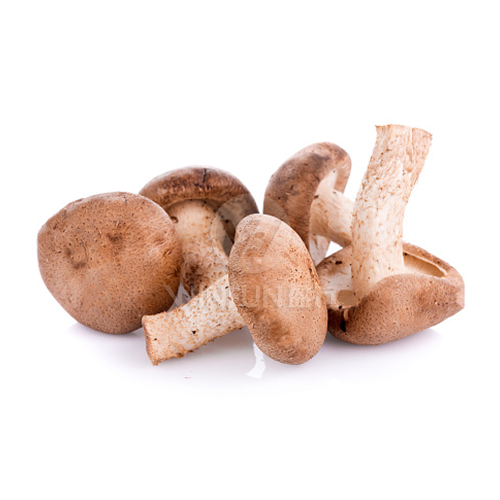
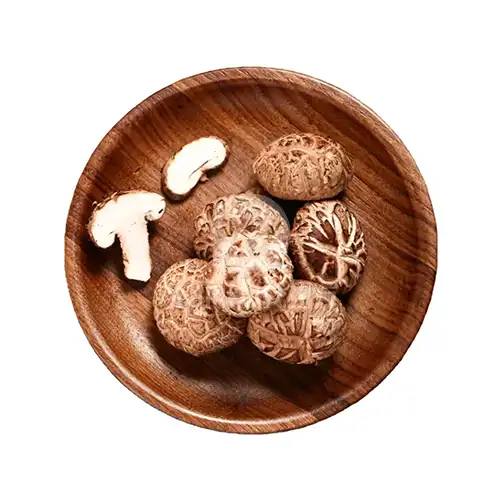
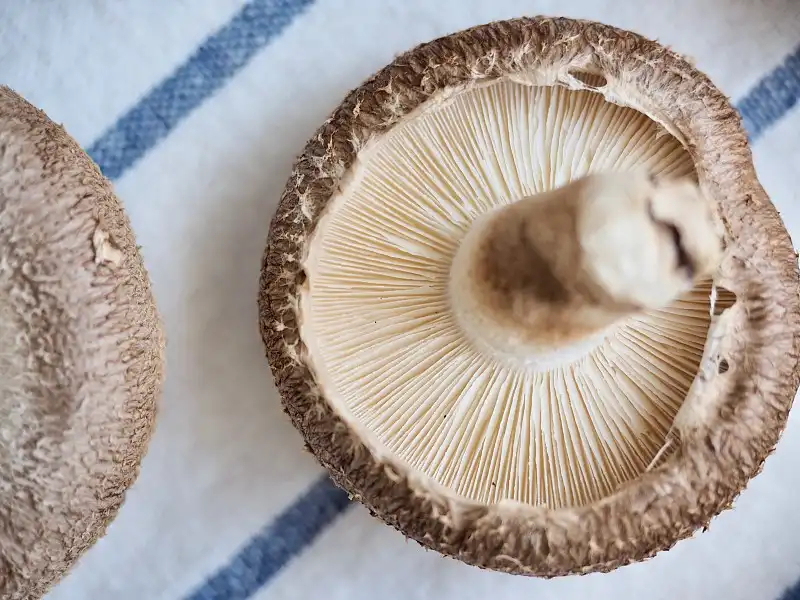
Winfun Agriculture gets fresh shiitake mushrooms with dark brown caps that are 4 to 8 centimeters across. The mushrooms are picked at the perfect time to make sure they have the hard texture and full taste that picky buyers expect. The umbrella-shaped caps have tan gills and bent stems that make them stand out. Each mushroom weighs about 20 to 25 grams. This standardization helps restaurants serve consistent portions and stores show items in a way that meets customer standards.
Procurement Considerations: Sourcing and Quality Assurance
Supplier Certification and Traceability Standards
To have good ties with fresh shiitake mushroom suppliers, you should first carefully check their certifications and methods for keeping track of things. Importers should give priority to partners whose facilities are certified by national export quarantine officials. This shows that the partners follow phytosanitary rules and food safety practices. Third-party checking adds another level of verification, letting buyers confirm product specs before the shipment leaves.
Beyond basic certifications, transparent farming practices include written growth methods, records of when crops were harvested, and instructions for how to handle crops after they have been picked. Suppliers who can provide detailed tracking, from substrate inoculation to cold chain logistics, give buying teams the paperwork they need to pass stricter store checks and regulatory inquiries. At Winfun Agriculture, our export bases make sure that all of our certification requirements are met and offer pre-shipment inspection reports that check quality factors before containers leave our starting facilities.
Price Dynamics and Negotiation Benchmarks
Fresh shiitake mushroom prices change on the market depending on when they are grown, how much it costs to move them, and how much people want them in different parts of the world. While exact prices depend on the number of items ordered and the specifics of the job, knowing what causes costs helps you negotiate better. Transportation costs a lot of the landing costs, especially when you think about the cold chain and the time it takes for ocean freight to get to U.S. ports.
Importers of goods in bulk should look into mixed-loading options, which put together suitable goods with similar temperature needs in a single container. This method lowers the cost of sending each item and increases the variety of products available at the same time. When customers commit to placing regular monthly orders, they can often get better prices. However, buyers need to weigh the cost saves against the costs of keeping inventory and the accuracy of their demand forecasting.
Quality Verification Upon Arrival
Setting clear standards for quality checking keeps buyers from taking shipments that aren't up to par, which hurts relationships with fresh shiitake mushroom suppliers. Visual inspection should check the hardness of the caps and look for mushrooms that feel full and plump instead of dry and wrinkled. The outside should look smooth and dry, with no buildup of too much wetness that could mean the material is breaking down. The structures of the gills under the caps should look hard and whole, and the color should match what is expected.
Sensory evaluation includes smelling. Fresh shiitake mushrooms have rich, nice smells that don't have any bad smells that mean they're going bad. Checking the temperature when the package is opened ensures that the cold chain stays intact throughout the trip, keeping the core temperatures of the products within the ideal ranges. Reviewing the documentation and comparing packing lists with real counts and grades makes sure that the order is correct. These steps for systematic proof help hold suppliers accountable and allow for ongoing performance tracking.
Best Practices in Handling and Storage for Fresh Shiitake Mushrooms
Optimal Storage Conditions and Packaging
Keeping the quality of the fresh shiitake mushrooms high from the time they arrive at the store until they are sold requires careful monitoring of the surroundings and the right packing. The most important thing is to keep the temperature under control. The best temperatures for keeping are between 32 and 36°F (0 and 2°C), which also keeps the texture and taste. The humidity should stay between 85 and 90% to keep plants from drying out and to avoid making too much wetness, which can help bugs grow.
Winfun Agriculture packs fresh shiitake mushrooms in 200-gram bags, with 25 bags per box. This makes it easy to handle while also protecting the mushrooms during shipping. This method of packing makes it easier for wholesalers to keep track of their stock and provides portion-controlled pieces that can be used for repackaging in stores or distributing food to restaurants. Protective packaging keeps mushrooms from getting broken while letting air flow, which keeps fog from forming.
Having enough air flow during storage is important for keeping the purity of the product. Storage places should have air flow systems that keep wetness from building up in spots of still air and avoid too much airflow, which can dry things out. Many successful importers use special mushroom coolers that can control the humidity. However, well-run produce coolers that are watched can work just fine when dedicated mushroom storage is not possible.
Cleaning and Preparation Protocols
Standardized cleaning methods that keep hygiene standards high and reduce product waste are helpful for large-scale businesses. The best way to clean mushrooms is to gently brush off any obvious dirt or debris with dry cloths or soft brushes. This keeps the natural protection layer that makes the fresh shiitake mushrooms last longer. If the amount of contamination calls for it, a quick rinse under running water followed by instant pat-drying is an option. However, this method needs to be used quickly to keep the quality from going down.
Stem removal choices are based on the planned use and the customer's tastes. The lower stem parts often have a woody feel that isn't good for most recipes. However, these clipped bits add valuable umami depth to soups and broths, so they shouldn't be thrown away. Food service businesses that want to maximize yield while keeping costs low often use trim utilization programs that take advantage of this additional value. Retailers may sell whole mushrooms so that customers have a choice, or they may sell pre-trimmed mushrooms that are positioned as more expensive.
Making the Right Purchase: Comparing Options and Key Buyer Questions
Fresh Versus Dried: Channel-Specific Analysis
In order to meet their traffic and profit goals, supermarkets usually put fresh shiitake mushrooms at the top of their list of priorities. They are willing to accept a shorter shelf life in exchange for higher prices. Fresh mushrooms in pretty packaging make people want to buy them on the spot, and they go well with areas of organic food that are growing quickly. In the same way, e-commerce platforms like fresh goods, but it's harder to coordinate logistics when you have to meet shipping deadlines and keep temperatures stable.
When processing companies look at where to get their ingredients, they often find that dried fresh shiitake mushrooms work better with their manufacturing processes and ways of keeping track of their goods. The longer shelf life removes worries about spoilage during changes in production schedules, and the concentrated flavors lower the amount that needs to be used in formulas. When looking at costs, it's important to remember that fresh and dried goods have different weights, and that reheating returns can change how accurate the cost comparisons are. Both types of products meet valid market needs; the best choice depends on specific business needs and what the target customer wants.
Organic Versus Conventional Product Considerations
As more people want approved organic foods, stores are adding more organic fresh shiitake mushrooms to their selection. For mushrooms to be certified organic, they must be grown on accepted soils without using synthetic fertilizers or pesticides, and there must be checks made at every step of the production and handling chain. Most of the time, organic goods cost 30 to 50 percent more than their normal counterparts. This is because they have higher production costs and certification costs.
It's up to buyers to decide if the people they want to sell to are worth the money they spend on organic products. High-end grocery stores, stores that sell natural foods, and food service businesses that focus on health often see organic certification as important for placing their brands and are willing to pay more to be different. Mainstream stores and value-oriented wholesalers may find that conventional goods are better for price-conscious customers while still meeting quality standards. Offering both choices in a mixed portfolio gives you the freedom to meet the needs of a wide range of customers.
Import Versus Domestic Sourcing Trade-Offs
Fresh shiitake mushrooms grown in the United States have benefits like faster lead times, easier compliance with regulations, and lower shipping risks. Fresh goods from regional farms get to customers in days instead of weeks, which supports just-in-time inventory tactics and reduces worries about quality loss. But because of limited local capacity and higher labor costs, prices are often higher than for foreign alternatives.
When you buy from well-known international sources like Winfun Agriculture, you can save money on costs thanks to economies of scale and good production economics. Getting year-round access is easier to do if you get your supplies from places where the weather allows for ongoing growing cycles. As a trade-off, supply lines are longer and need more complex transportation planning and cold chain management. Successful importers use a mix of tactics, combining relationships with local companies during times of high demand with importing goods to provide cost-effective base volumes.
Trusted Suppliers and Brands: Building Long-Term Procurement Relationships
Supplier Evaluation Framework
Finding dependable fresh shiitake mushroom providers takes a thorough evaluation of many performance factors, going beyond the initial price factor. Export authority approvals, food safety management systems, and related quality standards documents should all be in certification portfolios. Site audits, which can be done directly or through third-party verification services, give producers and quality control staff very useful information about how things are really made and how quality control is being used.
Superior sellers are different from just adequate ones in how quickly they respond to communication requests and how well they can help with technology issues. Partners who offer agricultural knowledge, dealing advice, and market information add value that goes beyond just delivering products. Checking a partner's financial security by checking their credit history and negotiating payment terms is the first step in building long-lasting relationships that can survive market disruptions. Supplier diversity methods find a balance between the depth of relationships and reducing risk. This is especially important for buyers who need a steady supply of goods.
As part of a thorough supplier screening process, the following items must be checked: export licenses and compliance paperwork must be verified; cold chain infrastructure and logistics must be assessed; quality control systems and inspection protocols must be looked at; production capacity and the ability to increase volumes must be looked at; customer references and performance history must be checked; crisis management plans and backup procedures must be looked over; and technical support resources and market knowledge must be confirmed. Using these review standards in a planned way saves procurement investments and finds partners who are ready to work together for a long time.
Winfun Agriculture Partnership Advantages
Getting fresh shiitake mushrooms from other countries can be hard, but it's easier if you work with sellers who have done it before. Winfun Agriculture has a lot of experience putting a lot of different fruits and veggies together. This lets them come up with effective consolidation methods that make the best use of containers and lower the cost of freight per unit. Direct supply relationships from approved export bases get rid of markups from middlemen and make sure that goods can be tracked from production to shipment.
We've been exporting to Southeast Asia, East Asia, and Europe for many years, which has helped us learn more about the different quality needs and legal standards. With this information, clearing customs will go more smoothly, and there is a lower chance that a package will be delayed or rejected. Our full quality control system includes guidelines for pre-shipment inspections, post-harvest handling checks, and monitoring of output. These inspections protect the interests of buyers. Being able to provide inspection records from a third party adds to the confidence that is needed for store audits and due diligence paperwork.
Customizable packaging meets the needs of different markets, whether it's for retail-ready customer units or big foodservice setups. Being able to change bag sizes, marking requirements, and carton layouts within reasonable limits lets buyers show products in different ways without having to commit to huge volumes. With these operational skills and an established cold storage system that allows for year-round delivery, Winfun is a key partner for importers who want to be reliable and stay ahead of the competition.
Conclusion
To successfully buy fresh shiitake mushrooms, you need to pay close attention to quality standards, the skills of the seller, and the logistics of the supply chain. The things this guide talks about—from understanding nutritional profiles and quality verification standards to best practices for storage and seller evaluation frameworks—give procurement professionals the information they need to make smart choices. Systematic methods that balance quality, cost, and reliability goals lead to the best results, whether you're buying for retail, foodservice, or processing uses. The American market continues to value high-quality mushroom goods. This presents chances for importers who work with seasoned sellers who uphold strict standards during the production and export processes.
FAQ
What shelf life can importers expect from fresh shiitake mushrooms?
When kept in the fridge at 32 to 36°F and with the right amount of humidity control, fresh shiitake mushrooms usually stay at their best for seven to ten days after they are picked. The real shelf life is affected by how well the packaging is done and how well the cold chain is maintained during shipping. To get the most out of their products and waste as little as possible, buyers should set clear handling rules with their store customers and delivery partners.
How can large orders maintain quality consistency?
For bulk shipments to have consistent quality, providers must have standard grading systems, written quality control processes, and the ability to provide inspection reports before shipping. Setting clear standards for things like size ranges, color guidelines, firmness standards, and accepted flaw levels makes it possible to measure progress. Third-party inspection services offer independent confirmation that shipments are compliant before they leave, which keeps buyers from getting goods that don't meet their specifications.
What import regulations and certifications apply to shiitake mushrooms entering the United States?
Imports of fresh shiitake mushrooms must follow rules set by the USDA Animal and Plant Health Inspection Service. These rules include phytosanitary certificates from the countries where the mushrooms came from that prove they are free of pests and diseases. Importers must follow the rules set out in the FDA Food Safety Modernization Act, which includes Foreign Supplier Verification Programs and following safety rules for fruits and vegetables. Buyers should make sure that providers have facilities that are approved by export officials and can provide the paperwork needed for customs clearance and following the rules.
Partner with Winfun Agriculture for Reliable Fresh Shiitake Mushroom Supply
Importers who care about quality and want to find reliable sources of fresh shiitake mushrooms will benefit from choosing Winfun Agriculture as their chosen seller. Our fully approved export bases and thorough quality control systems make sure that our products always meet the strict standards of the American market. Our vast cold storage network and years of experience moving mixed containers will help you save money on shipping costs all year long, even when the seasons change.
We have years of experience exporting goods to different countries, so procurement managers can learn how to deal with complicated rules and client needs in a wide range of markets. If you work for a store chain that needs retail-ready packaging, a wholesaler that needs flexible volume options, or a processing plant that needs large ingredient solutions, our flexible volume options, customizable packaging, and quick technical support can meet your needs.
Email our team at yangkai@winfun-industrial.com right now to talk about your fresh shiitake mushroom needs and get free samples of our products. We offer detailed specs, cheap quotes, and full logistics support to make sure that everything goes smoothly from placing an order to delivery. Find out how working with a well-known fresh shiitake mushroom producer can give your business a competitive edge by ensuring quality, ensuring supply stability, and lowering costs. You can find out more about our full range of products and our ability to sell them by going to winfun-industrial.com.
References
Chen, L. and Huang, G. (2019). "Quality Assessment and Storage Technology for Fresh Shiitake Mushrooms in International Trade." Journal of Agricultural Export Science, 34(2), 156-173.
International Mushroom Association. (2021). "Global Shiitake Market Analysis: Production, Trade Flows, and Quality Standards." Annual Industry Report, Geneva.
Martinez, R. and Kim, S. (2020). "Nutritional Composition and Bioactive Compounds in Fresh Versus Dried Shiitake Mushrooms." Food Chemistry International, 287, 421-429.
United States Department of Agriculture. (2022). "Import Requirements and Phytosanitary Standards for Fresh Mushroom Products." APHIS Technical Guidelines, Washington DC.
Wong, K. (2021). "Supply Chain Best Practices for Perishable Mushroom Imports: Cold Chain Management and Quality Preservation." International Food Logistics Quarterly, 18(3), 94-112.
Zhang, Y. and Thompson, J. (2020). "Shiitake Mushroom Cultivation Techniques and Export Quality Control Systems in Asian Production Regions." Mycological Research and Trade, 45(4), 267-285.