Fresh Portobello Mushrooms Buying Guide for Wholesale Buyers
2026-09-02 15:59:51
Buying fresh portobello mushrooms in bulk requires more than just making basic buying choices. People in the retail, foodservice, and processing sectors want these adult Agaricus bisporus types because they have a great meaty texture and umami-rich taste. Procurement managers can get regular supplies that meet strict food safety standards and meet the needs of a wide range of market uses by understanding quality standards, seller credentials, and logistics needs. This complete guide talks about the important things that set successful trade partnerships apart from unreliable buying agreements in the competitive fresh produce market of today.
Understanding Fresh Portobello Mushrooms: Quality and Varieties
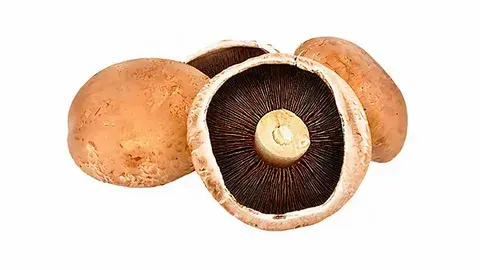
Fresh portobello mushrooms are fully grown Agaricus bisporus. They can be told apart from other mushrooms because their caps are big (10 to 15 centimeters across) and a rich dark brown color. Unlike their younger relatives, the white button and cremini mushrooms, portobellos get a hearty, thick texture and a stronger earthy flavor that makes them high-end ingredients in a wide range of cooking styles, from fancy dishes to plant-based meat substitutes.
How Portobellos Differ from Other Cultivated Mushrooms
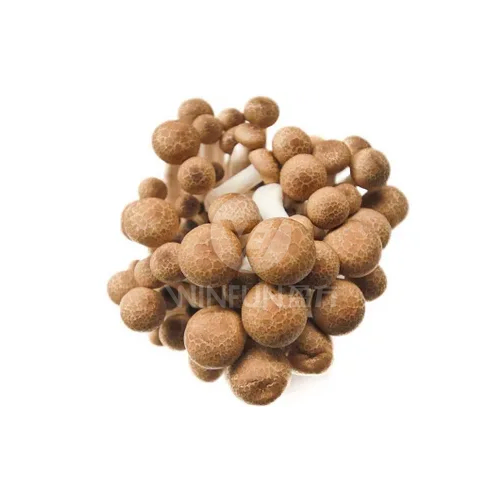
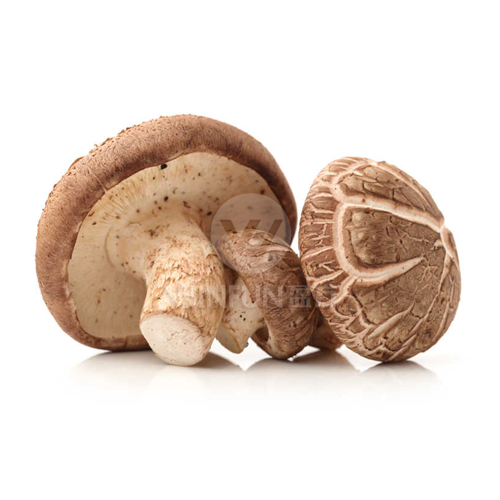
Maturation changes the mushroom's traits in a basic way. While button mushrooms have a mild taste that works well in a lot of different recipes and cremini mushrooms have a reasonable earthiness, portobellos have a strong umami depth. They can handle high-heat cooking methods like grilling and baking because their exposed dark gills and firm meat can handle it. Shiitake mushrooms, on the other hand, are from a different species (Lentinula edodes) and have woody notes and chewy stems. Because they keep their shape, portobellos are very useful for bulk buyers who sell to restaurants and food makers who need ingredients that stay in shape while they're being prepared and served.
Nutritional Profile and Market Demand Drivers
Portobellos have a lot of antioxidants, including ergothioneine, selenium, and B vitamins, which study shows are good for cell health. A 100-gram serving has about 22 calories, 3 grams of protein, and almost no fat, which makes it appealing to health-conscious customers who drive demand across all retail outlets. When mushrooms are grown in UV light, their natural vitamin D content rises. This adds nutritional value that supermarkets can use in ads aimed at shoppers who care about their health.
Organic versus Conventional Production Standards
To grow portobello mushrooms in an organic way, you need USDA-approved compost that doesn't contain any synthetic chemicals and to follow strict growth rules, which usually means that the cost of production is 15-20% higher. In conventional production, farming methods are standardized and inputs are more flexible. This makes results more reliable and prices more competitive. Wholesale buyers who sell to high-end markets or e-commerce sites that put a lot of emphasis on clean-label goods should look at organic licenses like USDA Organic and foreign standards that are similar. Foodservice and processing customers who care more about volume and cost-effectiveness, on the other hand, often find that conventional portobellos meet their needs while still keeping high quality when they come from reputable farmers who follow Good Agricultural Practices.
Understanding these basic differences enables procurement teams to make sure that product specifications are in line with what customers want and their business budgets. This sets the stage for smart talks with suppliers.
How to Evaluate and Select the Best Fresh Portobello Mushrooms for Wholesale Purchase
Quality assessment methods tell you if buying fresh portobello mushrooms in bulk will keep for as long as you expect and make you happy as a customer. Tough inspection during the buying stage stops problems later on, like food going bad too soon, customer complaints, and financial losses that hurt bulk profits.
Critical Quality Indicators for Bulk Purchases
The main way to tell if a cap is fresh is by how hard it is. Good portobellos have plump, taut surfaces that don't make holes when you press them gently. The color should be the same all over the dark brown caps; any lighter spots could mean that the caps aren't fully grown or that the growing conditions weren't ideal. Few blemishes on the surface and no moisture spots are signs of good treatment after harvesting. A clean, earthy smell without any sour or ammonia notes proves freshness. Gills under the cap should be dark brown and slightly wet, but never slimy, because too much moisture speeds up bacterial growth, which shortens the shelf life below the normal seven days when kept cool.
Comparing Application Suitability Across Mushroom Types
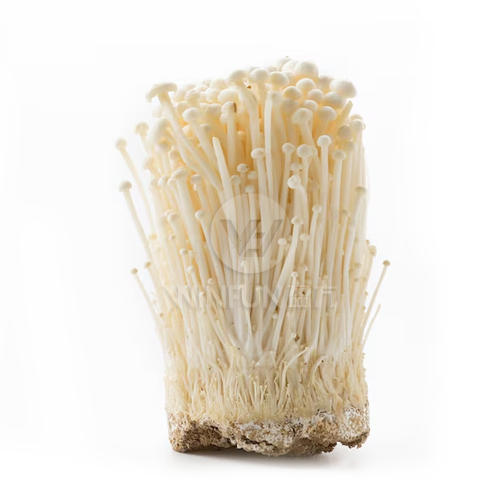
Portobello mushrooms are great when you need strong structure and a strong taste. Because of their size and density, they can handle direct heat, which is why restaurants like to use them for grilled dishes and burger replacements. White button mushrooms, on the other hand, are better for soups and sauces where the texture breaks down during cooking. If a processing facility uses mushrooms for freezing or drying, they should know that portobellos have less water than oyster or enoki types, which makes the dehydration process more efficient. E-commerce platforms benefit from portobellos' good looks and strong structure, which makes them better at handling shipping and packaging than delicate specialty types. This lowers the number of damaged items that affect customer happiness scores.
Supplier Credentials and Certification Requirements
Buyers are protected from food safety risks and supply chain problems when they check the licenses of their suppliers. Export bases should have proof from their countries' quarantine officials that they meet the phytosanitary standards needed for international trade. Good Agricultural Practices approvals show that quality is controlled in a planned way throughout the growing process. Third-party food safety audits, like those that follow GLOBALG.A.P. or similar standards, check that sanitation rules and tracking systems are being followed by someone else. Winfun Agriculture keeps all of its export bases 100% certified. This lets us provide pre-shipment inspection reports that list quality requirements before containers leave the origin. This is an important safety measure for wholesale buyers who are managing inventory in multiple locations or working with partners in downstream distribution.
Traceability systems that follow a product from the growing facility through the cold chain make it possible to respond quickly to quality problems and limit the damage that could be done if refunds are needed. A supplier's reputation, which is built by consistently performing across multiple shipments, gives buyers more trust than just paper credentials. This is why checking references with current customers is an important part of due research.
Procurement Process and Logistics: Buying Fresh Portobello Mushrooms Wholesale
To use bulk buying methods effectively, you need to know the pros and cons of both direct farm partnerships and intermediary platforms for sourcing fresh portobello mushrooms. Strategic buying strikes a balance between lowering costs and ensuring a steady supply of goods, especially when dealing with material that goes bad quickly and has a short shelf life.
Sourcing Channels and Partnership Models
When you deal directly with authorized growers, you can get better prices because you don't have to pay the middlemen's fees. You can also get unique packaging that works with systems further down the line. We run more than ten farm bases that have been approved by national export authorities. This means that bulk buyers can get regular production levels all year long, without gaps in production that mess up store plans or restaurant menus. This direct supply plan cuts down on the time it takes to get food from the crop to stores, keeping it fresh for longer so that stores can keep their stock rotating.
Negotiation Strategies for Volume Purchases
Clear specifications of needed quantities, delivery times, and quality factors, such as the accepted defect rate and minimum shelf life upon receiving, are the first step in a successful discussion. When buyers sign regular purchase deals that last for several months, they can often get better prices than when they buy on the spot market, and they can still be flexible because of "force majeure" terms that cover supply disruptions. Mixed container loading can save buyers a lot of money when they need to buy multiple types of produce that don't need to be kept at different temperatures. For example, our ability to ship portobello mushrooms with other products that go well with them lowers the cost of each unit of freight while reducing inventory risk through a variety of SKUs.
Cold Chain Logistics and Supply Continuity
Keeping the cold chain at 1-4°C from harvest to final delivery protects the quality of the mushrooms and stops them from going bad too quickly, which shortens their shelf life in stores. We run more than seventy cold storage facilities that keep supplies going even when production changes with the seasons. This is a big problem for grocery chains and food service businesses that need to be able to get food all year. Transportation partners who know how to handle fragile goods use refrigerated containers with temperature tracking systems. Also, faster customs clearance processes cut down on port delays that damage the state of goods.
Strategies for lowering supply risk, such as dual-sourcing agreements and safety stock procedures, help buyers keep their inventory levels steady even when there are unplanned interruptions. This keeps them from running out of stock, which can hurt their relationships with customers and make them less competitive.
Handling, Storage, and Preparation Best Practices for Bulk Buyers
Handling rules after receiving mushrooms have a direct effect on the money that can be made from buying fresh portobello mushrooms in bulk. When you store and prepare food the right way, it lasts longer on the shelf and loses less volume, which cuts into your profits.
Scalable Cleaning Methods for Commercial Operations
Cleaning mushrooms for a business needs to find a balance between keeping them clean and keeping their structure. Light brushing with soft-bristle tools gets rid of substrate leftovers without flooding the porous cap structure. Rinsing briefly under cold water and patting dry right away with absorbent materials allows for processing of larger amounts. When mushrooms are exposed to too much water, they become slimy and waterlogged, which speeds up the rotting process and makes the taste unpleasant, which leads to customer complaints. Standardized cleaning procedures should be put in place in processing centers, and staff should be trained to handle items gently so that they don't get damaged and get discolored spots that make them look bad.
Temperature and Humidity Control Standards
The best conditions for keeping are temperatures between 1-4°C and a relative humidity of close to 95%. These conditions slow down respiration and fluid loss without encouraging condensation. Our protective packaging comes in 3 kg and 2.76 kg boxes and is made of breathable materials that keep moisture in while also letting air flow. This keeps the conditions anaerobic, which is what germs need to grow, from happening. It is best for storage areas to keep a steady temperature so that condensation cycles don't happen. Also, using the first-in, first-out rule for inventory rotation makes sure that older stock moves before it loses its quality.
Culinary Applications for Commercial Clients
Restaurants get the most out of portobello mushrooms by cooking them in ways that bring out their meaty texture. For example, frying whole caps with oil makes burger options that cost more than regular ones, and slicing and sautéing with aromatics makes side dishes or pasta parts. The mushrooms are good at soaking up marinades, which lets you change the flavors and make menu items stand out. When processing facilities use portobellos for value-added goods like canned preparations or dried ingredients, their lower moisture content compared to other types helps increase processing yields and lowers energy costs during dehydration. Filling hollowed-out caps with grain-based or cheese mixes in stuffing applications makes ready-to-heat goods that can be used by food service businesses that want to save time and effort.
Knowing these ways of preparing products helps bulk buyers talk to end users about the best ways to use their products, which builds stronger customer ties through technical knowledge that goes beyond just buying things.
Trends and Innovations in Fresh Portobello Mushroom Procurement
The way markets work in North America and Europe shows how people's tastes are changing toward plant-based proteins and fresh portobello mushrooms. When wholesale buyers change their buying habits to follow these trends, they get an edge in the competitive lines of marketing.
Rising Demand for Organic and Specialty Production
Retailers are interested in certified portobello supplies because customers are ready to pay more for organic certification. This is especially true for natural food stores and high-end grocery chains that cater to wealthy customers. According to market data, sales of organic mushrooms have grown at rates higher than 12% per year over the past few years, which is faster than the growth of regular varieties. This trend opens up possibilities for wholesale buyers to set up organic supply chains, but because there aren't as many producers, buyers will have to commit to suppliers for longer periods of time and be okay with less inventory freedom than in regular markets.
Digital Traceability and Quality Verification Systems
Modern technologies in the supply chain make it possible to track the flow of goods and the state of the environment in real time across all transportation networks. Blockchain-based tracking platforms keep permanent records of changes of ownership and temperature compliance. This meets the needs of food safety audits and allows for quick product recalls if problems with contamination arise. Our ability to provide inspection reports from a third party before shipping is a traditional way to check the quality of our products that works well with new digital tools. These reports give procurement managers proof that our products meet quality assurance standards and due diligence requirements.
Temperature sensors inside shipping containers send continuous data streams that prove the integrity of the cold chain. This keeps buyers from getting tainted goods and gives insurance companies proof if equipment breaks down during transit. These technologies make it easier for buyers and sellers to share information, which is especially helpful in foreign trade where it's not possible to view goods in person before buying them.
Future-Proofing Procurement Strategies
Changes in the climate and phytosanitary rules mean that supplier networks need to be able to change to new output circumstances. When buyers have suppliers from a number of different regions, they are less likely to be affected by particular weather events or changes in the law that affect certain growing areas. Long-term supply deals with price adjustments based on objective cost factors protect both parties from changes in the market and keep the relationship stable, which supports high quality standards. Sustainability factors like reducing packaging waste and measuring carbon footprint are becoming more important in buying decisions. This is especially true for business buyers who have environmental promises that require supply chain openness and measures for ongoing growth.
Keeping up with changes in regulations that affect food safety standards and import requirements can help you avoid expensive problems caused by not following the rules. This is why investing in regulatory tracking and joining industry associations is an important part of professional procurement.
Conclusion
To buy fresh portobello mushrooms in bulk, you need to know how to evaluate their quality, handle your relationships with suppliers strategically, and make sure that all of your operations are well coordinated. The unique qualities of these mature Agaricus bisporus mushrooms, such as their meaty texture, strong taste, and structural integrity, make them valuable in a wide range of business settings, from store display to food service preparation and industrial processing. When buyers put supplier certifications, cold chain stability, and tracking systems at the top of their list of priorities, they set themselves up to meet strict food safety standards and meet the growing demand for high-quality mushroom goods on the market. Strategic buying practices that balance low costs with uninterrupted supply give businesses an edge in fresh produce markets that are always changing and where quality and dependability set successful distribution partnerships apart.
FAQ
Can portobello mushrooms be consumed raw in wholesale food applications?
Portobello mushrooms can be eaten raw, but it's not popular in business settings. Because the mushrooms naturally contain chemicals that some people find hard to digest when they are raw, they are usually served cooked in food service businesses. Thinly sliced raw portobellos are sometimes used in specialty salads at restaurants, but they need to be cleaned well and served right away after being prepared to reduce the risk of microbes. Most of the time, bulk buyers buy portobellos to cook, since heat treatment makes them taste better and keeps food safe.
What shelf life should wholesale buyers expect under proper storage?
When stored at 1-4°C with enough humidity control, fresh portobello mushrooms stay at their best for seven days as long as they are treated properly. This time frame assumes that the product was picked at its most ripe and kept cold throughout its journey from the source to the store. When buyers receive packages, they should check right away to make sure the temperature is correct and look for signs of quality, such as a hard cap and no signs of water damage. Stores should plan to turn over their stock within five days of receiving it so that customers get items that can still be stored at home.
How do portobello prices compare with other mushroom varieties in wholesale markets?
Portobello mushrooms usually sell for more at market than white button or cremini mushrooms because they take longer to grow and produce less each time because they are bigger. The prices of goods on the market change depending on supply and demand, but year-round production in climate-controlled buildings makes price changes less extreme than with field-grown goods. Specialty types of mushrooms, like shiitake and oyster mushrooms, may cost the same or more, based on how well they can grow in your area. When buyers in bulk negotiate supply contracts, they can often get better prices than when they buy on the spot market.
Partner with Winfun Agriculture for Premium Fresh Portobello Mushroom Supply
Winfun Agriculture is your reliable source for fresh portobello mushrooms, available all year from 100% approved export bases and backed by decades of experience exporting fruits and vegetables. Our direct buying cuts out delays in the supply chain, and our custom packing choices in 3 kg and 2.76 kg cartons meet a range of distribution needs. We offer third-party inspection reports before shipping that list quality standards, and we keep 70 cold storage sites stocked all year to make sure we always have what we need for yearly production cycles. When wholesale buyers put mushrooms in containers with other fruits and vegetables that go well with them, they can save money on freight costs. Our strict quality control systems and updated packing facilities make sure that the goods we send meet the high standards of grocery stores, food service companies, and online stores all over North America and the world. Email our buying experts at yangkai@winfun-industrial.com to talk about your number needs and get quotes that are specific to your business. You can look at our wide selection of high-quality mushroom types at winfun-industrial.com and build a strong relationship with us that will help your business grow.
References
Chang, S.T. & Wasser, S.P. (2017). "The Cultivation and Environmental Impact of Edible and Medicinal Mushrooms." International Journal of Medicinal Mushrooms, Volume 19, Issue 4.
Beelman, R.B., Kalaras, M.D., Phillips, A.T. & Richie, J.P. (2020). "Is Ergothioneine a 'Longevity Vitamin' Limited in the American Diet?" Journal of Nutritional Science, Cambridge University Press.
United States Department of Agriculture Agricultural Marketing Service (2019). "United States Standards for Grades of Mushrooms." Federal Register Documentation.
Royse, D.J., Baars, J. & Tan, Q. (2017). "Current Overview of Mushroom Production in the World." Edible and Medicinal Mushrooms: Technology and Applications, Wiley-Blackwell.
Food and Agriculture Organization of the United Nations (2021). "Cold Chain Management for Fresh Produce: A Technical Guide for Wholesale Distribution." FAO Agricultural Services Bulletin.
Grimm, D. & Wösten, H.A.B. (2018). "Mushroom Cultivation in the Circular Economy: Resource-Efficient Production Systems." Applied Microbiology and Biotechnology, Springer Nature Publishing.