Golden Enoki Mushrooms Information and Facts
2026-09-13 18:59:37
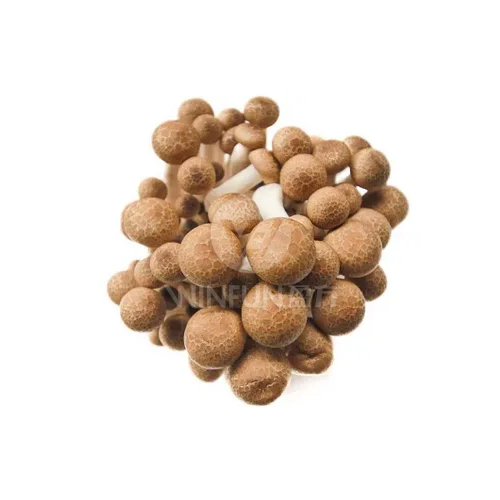
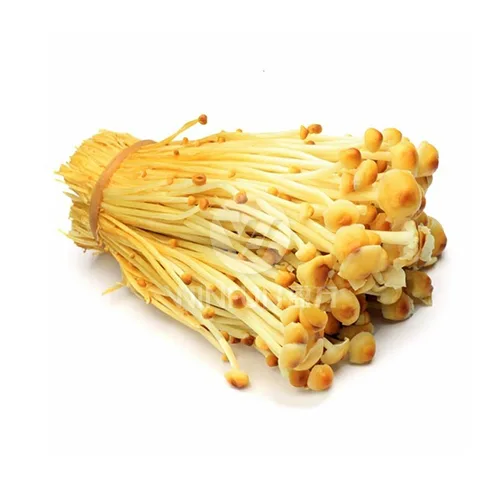
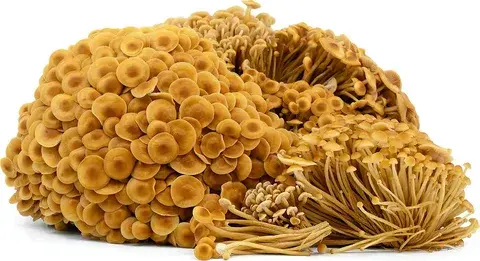
With its unique golden-brown caps and thin, white stems, the golden enoki mushroom, officially known as Flammulina velutipes, stands out in the produce aisle. In contrast to the more common white cultivated version, this mushroom stays more true to its wild form, making it more appealing to look at and giving it a slightly earthier, more complex taste. These mushrooms have become very popular among health-conscious people and sophisticated cooks all over the world because they are high in vitamin B6, vitamin D, potassium, and antioxidants. Because they are available all year and have a long shelf life, procurement managers who need stable, high-quality mushroom sources for retail, food service, and processing are very interested in them.
What Are Golden Enoki Mushrooms? A Complete Overview
Botanical Origins and Classification
Golden enoki mushrooms are in the Physalacriaceae family. They have been picked from the wild in East Asia since at least 800 BCE. The type grows naturally in groups on hardy trees like mulberry, Chinese hackberry, persimmon, and ash. When grown outside in the sun, these mushrooms get their distinctive golden- to dark-brown caps while keeping the long stems that make them different from other types of mushrooms. They are grown in a way that is different from white enoki, which grows in places with low light and high carbon dioxide.
Physical and Sensory Characteristics
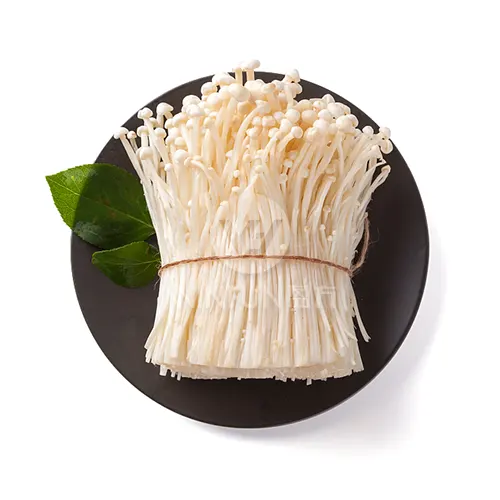
The mushroom has stems that are about 10 to 15 cm long and have small, button-like caps that range in color from light brown to deep amber. Its texture stays soft but hard, with a pleasant crunch that holds up well while cooking. The taste is mild and slightly nutty, with earthy notes and fruity hints. It is stronger than white enoki mushrooms but not as strong as shiitake or oyster mushrooms. This balanced nature lets the mushroom add to recipes instead of taking over, which makes it useful in a wide range of cooking situations.
Nutritional Profile and Health Benefits
The nutritional value of these mushrooms is very high, and they don't have many calories. A lot of pantothenic acid, riboflavin, thiamine, magnesium, selenium, zinc, and copper can be found in them. Some of their beneficial substances are polysaccharides and antioxidants, which help the defense system work. Because they have a lot of protein compared to other veggies, they are great for plant-forward meals. According to research, the golden enoki mushroom has slightly higher levels of some vitamins than the white variety. This is one reason why they are becoming more popular in health supplement recipes.
Seasonality and Geographic Production
Golden enoki mushrooms in the wild follow natural trends that are tied to cooler months, but it is grown commercially so it is available all year. Asia has many large production hubs, such as in China, Japan, South Korea, and Vietnam. North America and Europe have started to grow plants in controlled environments, but Asian makers still control most of the world's supply lines. Knowing about these production hubs helps procurement teams plan for changes in supply, negotiate better terms, and set up backup buying plans to keep inventory levels stable.
Cultivation and Storage Guide for Golden Enoki Mushrooms
Professional Cultivation Process
To grow mushrooms successfully, you must first choose high-quality mushroom spawn and prepare a sterilized growth medium. This medium is usually made of sawdust, rice bran, or other farm waste. To keep the process of injection from getting contaminated, strict clean techniques must be used. Temperatures must be kept between 10 and 15°C during flowering, humidity must be kept between 85 and 95%, and there must be enough air flow to keep carbon dioxide from building up while still letting enough light reach the plant to turn it yellow.
During the whole growing process, our partners in farming at Winfun Agriculture follow strict rules. Under ideal conditions, the golden enoki mushrooms are ready to be picked in three to four weeks. When stems reach the right length and caps stay tightly closed, they are at their freshest and ready to be picked. Cooling to 0–4°C right away, within two hours of harvesting, keeps the quality and increases the shelf life.
Organic versus Conventional Methods
To grow plants organically, you need approved organic materials, natural ways to get rid of pests, and to follow strict certification rules. Organic methods cost more to produce and have a slightly higher risk of contamination, but they sell for more and appeal to certain types of customers. Conventional methods usually lead to higher yields and more stable output amounts because they allow for a wider range of substrates and standard ways to get rid of pests. When setting production methods with sellers, procurement managers have to think about what the market wants, how much it costs, and what certifications are needed.
Addressing Cultivation Challenges
The main worry is still contamination, especially from rival fungus and bacterial pathogens. Changes in temperature can cause problems with stems or caps opening too soon. Finding the best balance between substrate diet, weather factors, and genetic strain selection is needed to maximize yield. To reduce these risks as much as possible, professional growers use strict cleaning rules, automatic environmental controls, and regular quality checks.
Storage and Handling Requirements
The longevity of a product is directly affected by how it is stored along the supply chain. When stored at 0–4°C with a relative humidity of 90–95%, golden enoki mushrooms stay at their best. Packaging in containers that let air pass through keeps wetness from building up while still allowing for gas exchange. The mushrooms stay fresh for up to seven days in these circumstances, which is longer than many other types.
Keeping the cold chain intact is very important during mass shipping. Quality doesn't get worse because of devices that check the temperature, making sure there is enough air flow in shipping cases, and making sure distribution centers move quickly. Supermarket chains and suppliers want longer shelf lives so that goods can be shown in stores for longer and less money is lost to theft. These handling rules are in line with those needs.
Golden Enoki Mushrooms in the Culinary and Industrial Sectors
Culinary Applications and Recipe Versatility
The mushroom's delicate texture and mild taste make it very useful in a wide range of foods around the world. Thin stems give salads and fresh veggie plates more crunch when used raw. When you lightly sauté something, you keep the texture while adding additional flavor notes. This type is great for hot pot recipes because it soaks up the flavors without getting mushy. They are used in omelets, spring rolls, stir-fries, noodle recipes, and risottos by chefs.
When cooked in traditional ways, golden enoki mushrooms are very popular in Asian food. You can find them in Korean dishes like paengi beoseot, Vietnamese dishes like pho and fresh rolls called nạm kim châm, and Japanese dishes like ramen, sukiyaki, and tempura. There has been a big increase in their use in Western cuisine. High-end restaurants use them as beautiful garnishes and in modern mix recipes that show off their good looks.
Industrial and Functional Food Applications
Processing plants use golden enoki mushrooms to make goods with extra value in addition to eating them fresh. Dehydrating foods concentrates their tastes and greatly increases their shelf life, making them useful for making soup mixes, seasoning blends, and quick meal kits. Bioactive chemicals are extracted and used to make food supplements that help the immune system and improve overall health. Mushroom powder is used by some companies to make snack foods, health bars, and useful drinks.
Because the variety's taste and texture stay the same, it can be used in normal food production methods. People who work in canning like that mushrooms can keep their shape while being heated. Companies that are working on plant-based meat replacements are testing the golden enoki mushroom as a texture that can be used to make plant-based meats taste and feel like meat.
Comparing Golden and White Enoki for Different Uses
White enoki has a softer flavor and a stronger visual contrast, so it is better for situations where the taste needs to be subtle but the colors need to stand out. In earth-toned arrangements, golden enoki mushrooms make the flavors more complicated, the nutrients more dense, and the colors more interesting. A lot of the time, restaurant owners choose based on the dish's makeup and how they want it to look. Industrial users may choose based on how well the fruit can be processed. For example, golden types may hold their shape better when they are dehydrated or canned.
Product designers and meal planners can choose the best ingredients when they know about these differences. The slightly higher price for golden types is usually worth it because they have more complicated flavors and are seen as more expensive.
How to Choose and Procure Quality Golden Enoki Mushrooms
Quality Evaluation Criteria
Systematic quality review is needed for professional buying. Fresh golden enoki mushrooms should have firm, smooth stems that aren't slimy or discolored. Caps should stay closed tightly and be the same color all over. Any bad smells mean the food is going bad or was handled wrong. The cutting should be clean on the base cluster, leaving little substrate remains.
Certifications add another layer of quality guarantee. Food safety licenses like HACCP, GMP, or ISO standards show that a seller is committed to quality systems. Organic certification checks the methods used in production. Origin traceability lets you respond quickly to quality problems and gives you information that stores and food service companies value. Inspection reports from a third party before shipping give an independent check of the specs.
Market Pricing and Trend Analysis
Prices change depending on where the goods are made, the season, their level of approval, and the number of orders. Asian providers usually have low base prices because their infrastructure is well-established and they can take advantage of economies of scale. Usually, organic approval raises the price by a certain amount. Transportation costs have a big effect on landing prices, especially for new goods that need to be shipped quickly or by air freight.
Demand is steadily rising in the market, with more people interested in healthy foods and Asian food. Adding more unique mushroom areas to stores opens up new ways to get mushrooms to customers. People are getting more comfortable buying fresh food online, and mushroom sales on e-commerce shopping sites are growing especially quickly. Managers in charge of buying things should keep an eye on these trends to spot sudden increases in demand and work out good long-term supply deals.
Logistics and Supply Chain Considerations
Negotiating prices is only one part of successful buying. Reliability, communication, and problem-solving are also important. When it comes to danger, suppliers with established cold chain operations are better choices. Different types of customers can get what they want with flexible packing choices, like retail-ready consumer packs or large foodservice containers. Orders are handled quickly and correctly, so there are no problems.
When looking at possible providers, you should look at how much they can produce compared to how much you need, how they control quality, and how well they've done with other customers in the same situation. Ask for references and, if possible, visit the spot. Setting clear requirements, inspection methods, and problem-solving steps up front keeps everyone from getting confused.
Winfun Agriculture meets these buying needs with our approved export base operations, direct supply chain from beginning, and many years of experience exporting golden enoki mushrooms around the world. Our updated selection methods make sure that all of our products are the same size and look, and our water-clean handling makes them look better. We keep our packing setups flexible and can add mixed containers when temperature needs match up. This lowers the cost of logistics for buyers of a wide range of fruits and vegetables.
Trusted Golden Enoki Mushroom Brands and Suppliers to Consider
Evaluating Supplier Credentials
Reliable sellers set themselves apart by having a wide range of certifications and promises about quality. Approval from the national export quarantine body makes sure that the phytosanitary standards of the importing country are met. Awards and honors from professional groups in your field show that your work has been approved by your peers. Established providers usually have more than one approved production facility, which lowers the risk of supply disruptions.
When looking at possible partners, look at their collection of certifications. In addition to basic food safety certifications, you should also look for credentials that add value, like organic certifications, sustainability certifications, or quality awards. These extra licenses show that the company is committed to improving all the time and keeping up with market trends.
Building Sustainable Supplier Relationships
Long-term relationships have perks that go beyond making transactions go more smoothly. When you have established relationships, you can work together to solve problems, set priorities when supplies are low, and make answers that fit your unique needs. Good providers give information about the market, help with planning output, and quick customer service.
Patterns of communication show how a relationship might work. Suppliers who talk to customers about growing conditions, changes in the market, or possible problems show that they care about their customers' success. Being open about price, differences in quality, and problems with logistics helps build trust and makes planning easier.
Winfun Agriculture's Competitive Advantages
Our business includes more than ten farms and companies that have been approved by the National Export Quarantine Authority. This ensures a steady supply all year long. We take care of more than seventy cold storage sites so that deliveries can happen all the time. The China Fruit Industry Association gave us the "Quality Gold Prize" in both 2018 and 2020 for our quality control methods.
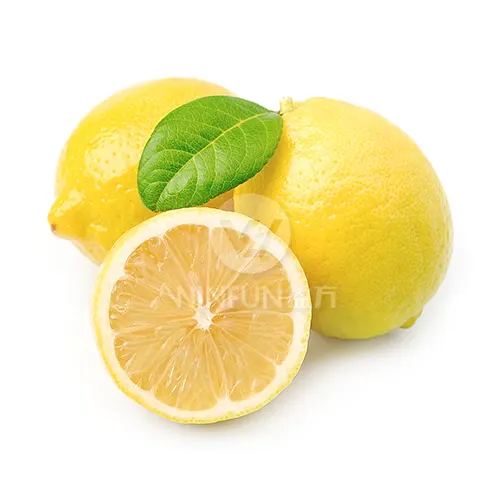
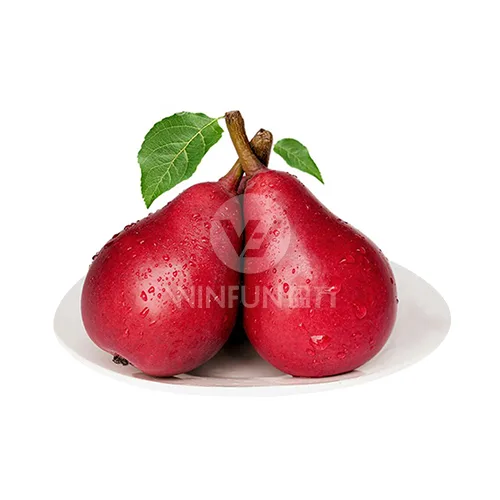
In addition to our skill in golden enoki mushrooms, we also sell fine pears, fresh lemons, and other types of fruit. This range lets mixed containers be loaded when temperature requirements are met, which saves money on shipping costs and gives you more stocking options. Our well-established delivery networks cover markets in Southeast Asia, East Asia, Central Asia, and Europe. This shows that we can work with a wide range of regulations and customer needs.
We know the exact quality standards that are needed in each market and always follow what our clients say. Before a package goes out, our team gives inspection reports from a third party. This gives you independent proof and lowers your risk. We are a trusted partner for procurement workers who are in charge of handling complicated supply chains because of our production scale, quality systems, and service that is focused on the customer.
Conclusion
Golden enoki mushrooms are a great addition to any produce collection because they look nice, are good for you, and can be used in a lot of different ways in the kitchen. Their unique look and taste make them stand out from regular white enoki, which opens the door for premium placement and menu innovation. Procurement experts can make smart choices about where to buy things when they know how to grow them, how to store them, and how to judge their quality. The variety is available all year, has a good shelf life, and is becoming more well-known among consumers. This helps keep demand stable in retail, food service, and industry settings. Finding trusted suppliers with the right certifications, production ability, and focus on customer service is key to successful procurement. Strategic relationships with suppliers ensure constant quality, competitive price, and quick support, all of which are necessary to stay ahead in markets that are always changing.
FAQ
What distinguishes golden enoki from white enoki mushrooms?
The brown caps on golden enoki mushrooms show when they are grown in sunlight, making them look more like they do in the wild. White enoki grows in the dark with lots of carbon dioxide, which gives it a lighter color and a softer taste. The golden variety has a slightly earthier flavor, more nutrients, and a more noticeable texture. The white variety, on the other hand, has a milder flavor and a bright visual contrast that makes it good for delicate displays.
What storage practices optimize shelf life for bulk shipments?
Keep the temperature between 0°C and 4°C all the way through the supply chain. The humidity should stay between 90 and 95% to keep things from drying out and condensing. Use packing materials that let air flow and keep things from getting damaged while still covering them. Keep an eye on the temperature during storage and travel. Use the first-in, first-out rule to rotate your goods. Expect a seven-day shelf life from harvest if stored properly. Some sellers can get longer times by using more advanced handling techniques.
What factors influence wholesale pricing?
Base prices are greatly affected by the production region and the labor costs that come with it. Organic approval usually means that the product costs more than regular production. Through economies of scale, the number of orders changes the unit price. Even though crops are grown all year, prices change slightly because of seasonal changes. The location and method of transportation have a big effect on landing costs. Price pressure is increased by changes in market demand and the supply of rival varieties. When compared to spot market sales, long-term contracts often get better prices.
Partner with a Trusted Golden Enoki Mushroom Supplier
To get good mushrooms, you need a seller with skills that go beyond just having competitive prices. These skills should include steady quality, reliable logistics, and helpful customer service. Winfun Agriculture can help your supply chain in many ways, thanks to its certified export sites, updated processing systems, and long history of serving foreign markets. Our golden enoki mushrooms meet the high standards that picky buyers expect, as shown by third-party inspection reports and flexible packing options.
We know how hard it is to keep track of fresh food supply lines that span countries and time zones. Our team handles the paperwork needed, plans the details of the cold chain, and gives you the information you need to confidently control your inventory. We offer options that are specifically designed to meet the needs of your business, whether you run a supermarket chain, a wholesale delivery business, a food service business, an e-commerce site, or a processing plant.
Contact us to talk about your buying needs and find out how our direct supply from sources, quality assurance systems, and ability to handle mixed containers can help you find the best products at the best prices. You can get in touch with our team at yangkai@winfun-industrial.com to ask for product samples or look into ways to work together with a dedicated golden enoki mushroom seller who wants your business to succeed.
References
Chang, S.T. & Miles, P.G. (2004). Mushrooms: Cultivation, Nutritional Value, Medicinal Effect, and Environmental Impact. CRC Press.
Royse, D.J., Baars, J., & Tan, Q. (2017). "Current Overview of Mushroom Production in the World." Edible and Medicinal Mushrooms: Technology and Applications, Wiley-Blackwell.
Stamets, P. (2005). Mycelium Running: How Mushrooms Can Help Save the World. Ten Speed Press.
Valverde, M.E., Hernández-Pérez, T., & Paredes-López, O. (2015). "Edible Mushrooms: Improving Human Health and Promoting Quality Life." International Journal of Microbiology, Volume 2015.
Wasser, S.P. (2014). "Medicinal Mushroom Science: Current Perspectives, Advances, Evidences, and Challenges." Biomedical Journal, 37(6).
Zhang, Y., Geng, W., Shen, Y., Wang, Y., & Dai, Y.C. (2014). "Edible Mushroom Cultivation for Food Security and Rural Development in China." Sustainability, 6(5).