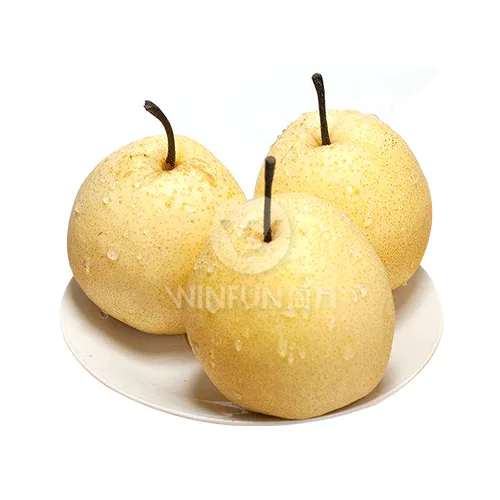
A Buyer’s Guide to 20th Century Pear Grades and Quality Standards
2026-04-14 12:48:36
For successful procurement in today's competitive fresh product market, it is essential to understand 20th Century pear quality standards. These Asian pears from Japan are known for their unique crisp texture and sweet taste. They need to be graded in a way that is different from how European pear varieties are usually graded. When professional buyers look for these high-quality fruits for processing, retail, or bulk use, they have to think about things like uniform size, skin coloration, sugar content, and how long the fruits can be stored.
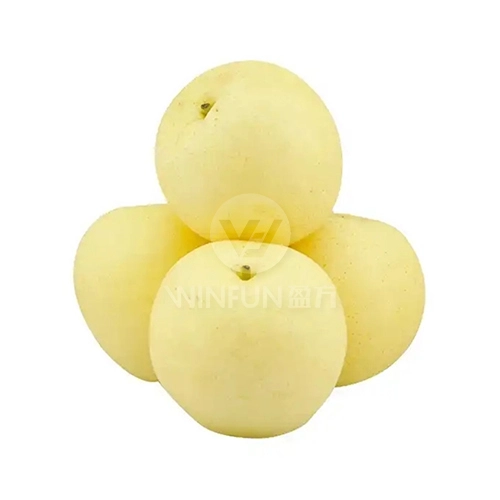
Understanding 20th Century Pear Classification Systems
The way these unique Asian pears are categorized is based on a number of quality factors that show how much they are worth on the market and what they will be used for. Industry norms are based on size grading, and count sizes usually range from 36# to 72# per carton. Premium grades have uniform sizes within small ranges, which makes sure that store displays look the same every time.
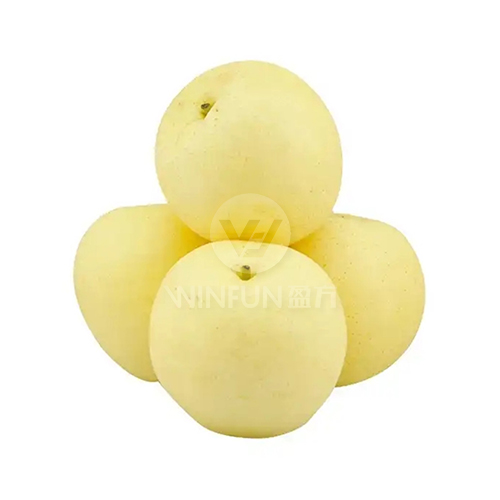
Color development serves as a critical quality indicator throughout the maturation process. Green-stage fruits have a firm texture and last longer on the shelf, making them perfect for moving long distances and storing for a long time. The yellow-green versions are perfectly balanced between sweet and sour, making them perfect for eating right away. Pears that are golden yellow are the savoriest, but they need to be handled carefully and turned over more quickly.
Brix testing, which measures sugar level, is an objective way to judge quality. Premium types reach 10 to 12 degrees Brix, which gives customers the sweet, fragrant taste they expect. This measurement is directly linked to the quality of the food and the rate of customer happiness across all market segments.
Evaluation of surface quality includes checking for smoothness of the skin, even spread of lenticel, and lack of mechanical damage. Samples in Grade A have clean, unblemished skin with few surface flaws. Consumers' decisions to buy things in stores are greatly affected by these visual factors.
Essential Quality Parameters for Commercial Buyers
To buy things for business, you need to know a lot about the quality factors that affect how well a product works in different markets. Firmness testing tells us a lot about how well something can handle being handled and how much it can be stored. Penetrometer results are used by professional buyers to figure out how mature fruit is and how long it will last on the shelf.
The typical crisp texture that sets high-quality 20th Century pears apart from low-quality ones is determined by moisture content evaluation. High-quality fruits keep the right amount of wetness, which gives them the signature "apple-like" crunch that people associate with premium types. This texture quality has a direct effect on how often people buy this brand and how loyal they are to it.
The aromatic intensity assessment finds fruits that have grown flavor compounds that make eating more enjoyable. When plants are fully grown, they give off unique vanilla and butterscotch notes that show when they were grown correctly and when they were harvested. Because of these sensory differences, premium goods can be told apart from cheaper alternatives.
By taking samples, you can check the internal quality of the meat and see things like uniform color, core growth, and the lack of any internal disorders. Professional inspection protocols find problems before they affect big shipments, protecting the buyer's money and reputation.
Size consistency within certain count levels makes sure that the packaging works well and that the presentation is uniform. Buyers choose tolerance levels that strike a balance between quality standards and cost concerns for their specific market needs.
Grading Standards Across Different Market Segments
The retail market puts a lot of emphasis on how things look and how ready they are for sale. Buyers in supermarkets look for uniform sizes, nice colors, and products that last longer on the shelf. These requirements usually call for high-end products that meet strict cosmetic standards and come in better-protected packages.
Foodservice apps focus on functional traits like controlling portion sizes, maintaining flavor consistency, and allowing for different ways of preparation. Restaurant buyers look at things like consistent ripeness, predictable texture, and reliable supply over long seasons.
Standards for the processing business stress high yields, even sugar levels, and few defects that interfere with the production process. Manufacturers need consistent specs for raw materials that help them meet their goals for standard output quality and cost control.
Certain phytosanitary rules, packaging standards, and quality guarantees must be met in order to sell goods in export markets. International buyers have to deal with a lot of different rules and regulations while keeping the quality of the products they buy throughout long supply lines.
Fruits that can be shipped directly to customers and still look good when they get there are needed by e-commerce sites. In these cases, the applications usually list protective packaging and specific steps of maturity that make sure the customer is happy.
Storage and Handling Requirements by Grade
Temperature management protocols vary according to grade specifications and intended storage duration. Premium grades benefit from precise temperature control between 32-35°F with relative humidity maintained at 85-90%. These conditions preserve texture quality while extending marketable life.
Handling procedures must accommodate the delicate nature of ripe 20th Century pear specimens while maintaining efficiency in commercial operations. Proper training reduces mechanical damage that degrades product appearance and reduces shelf life performance.
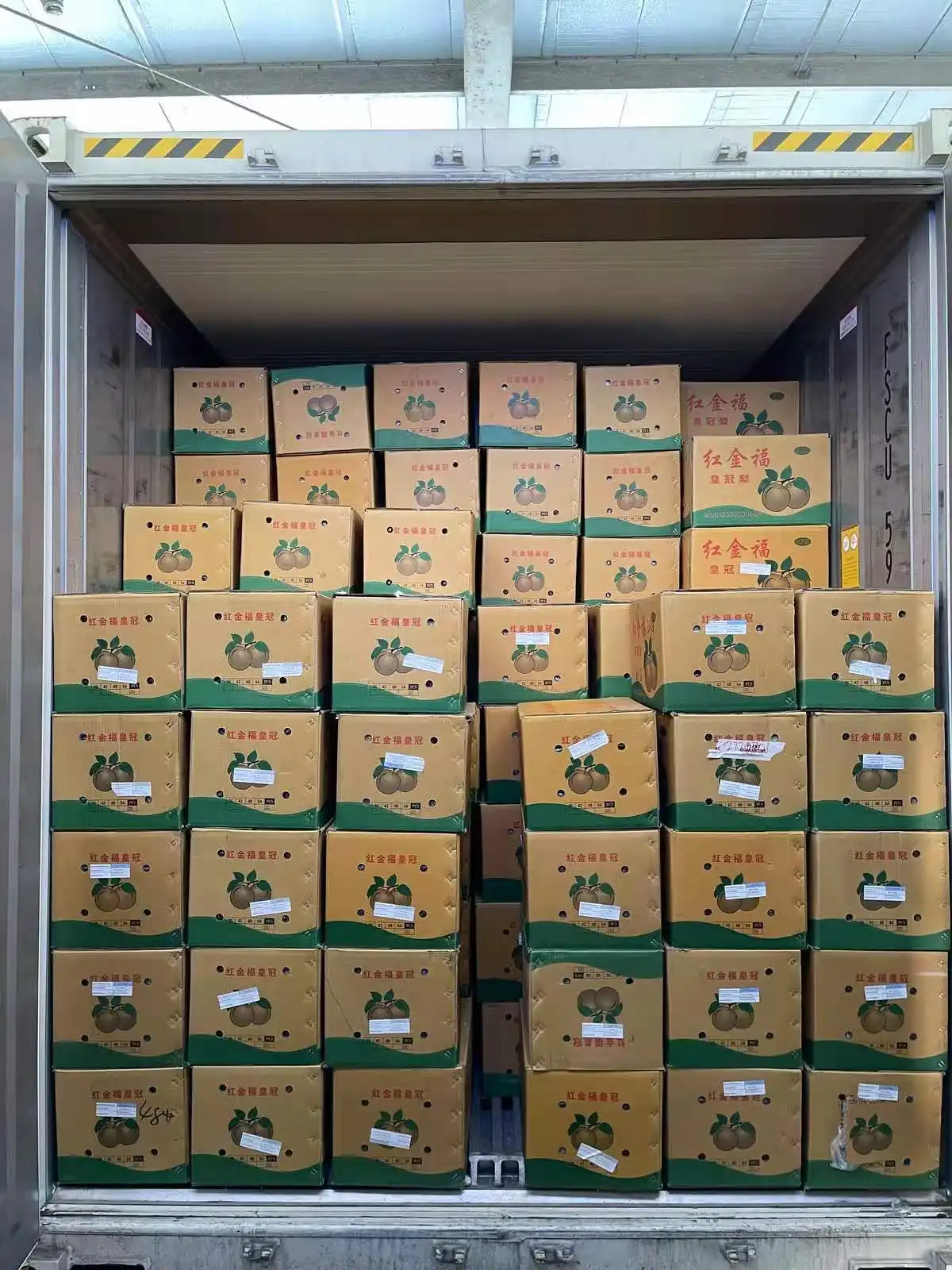
Packaging systems protect fruit quality during transportation and storage while facilitating efficient distribution. Specialized containers and cushioning materials prevent bruising and surface damage that affects consumer acceptance.
Atmosphere modification techniques extend storage potential for extended season availability. Controlled atmosphere storage allows buyers to maintain inventory levels while preserving eating quality characteristics.
Quality monitoring throughout storage identifies deterioration patterns and optimizes inventory rotation. Regular inspection protocols ensure consistent product delivery and minimize losses from quality degradation.
Seasonal Availability and Quality Fluctuations
Production cycles influence quality characteristics throughout extended harvest periods from July through May. Early season fruits typically exhibit firmer texture and extended storage potential, ideal for long-term inventory planning. Peak season specimens deliver optimal flavor development and consumer appeal but require faster turnover.
Regional growing conditions affect quality parameters including size distribution, sugar development, and surface characteristics. Buyers must understand how cultivation practices in Hebei and Shandong provinces influence product specifications and availability timing.
Weather patterns during growing seasons impact harvest quality and market pricing. Professional procurement teams monitor growing conditions to anticipate quality variations and adjust purchasing strategies accordingly.
Cold storage capabilities extend market availability beyond natural harvest periods. Understanding storage quality changes helps buyers optimize inventory management and maintain consistent product offerings.
Import timing coordination ensures optimal quality delivery for 20th Century pear for specific market windows. Strategic planning accommodates transportation duration while preserving peak eating quality for 20th Century pear for end consumers.
Inspection Protocols and Quality Assurance
Professional inspection methods make sure that quality standards are met before the shipment is accepted. Protocols for sampling allow for a fair evaluation of quality across big shipments while keeping costs low.
Third-party inspection services offer impartial quality checks that safeguard purchasers' interests and make sure that specifications are met. These services keep professional standards high in foreign trade and provide proof for quality disputes.
Some of the documents that are needed are phytosanitary certificates, reports on quality inspections, and information on how to track the product. Having all the information in order makes clearing customs easier and gives buyers confidence in the quality.
Quality rejection factors set clear standards for whether a shipment should be accepted or not. Specifications that are clear keep buyers from getting deliveries that aren't up to par and keep sellers honest.
Corrective action methods fix problems with quality while keeping business relationships strong. Professional ways of talking to each other and fixing problems end disagreements and make future shipments better.
Conclusion
Professional buying of good quality To grow Asian pears, you need to know a lot about quality standards, grading standards, and market-specific needs. Successful buyers look at a number of factors, such as stability in size, signs of maturity, storage potential, and handling needs. These things to think about make sure that the product works well in a wide range of market situations, keeps costs low, and keeps customers happy. Strategic relationships with well-known suppliers give you access to reliable sources of quality goods and professional help throughout the whole buying process.
Contact Winfun Agriculture for Premium 20th Century Pear Supply
Winfun Agriculture stands ready to meet your 20th Century pear supplier requirements with certified export-quality fruits from our established production bases. Our comprehensive quality control systems ensure consistent grade standards while our flexible packaging options accommodate diverse market needs. Contact yangkai@winfun-industrial.com to discuss your specific procurement requirements and experience our commitment to quality excellence.
References
Asian Pear Quality Standards and Commercial Grading Systems. International Fresh Produce Association. 2023.
Postharvest Handling and Storage Guidelines for Asian Pears. American Society for Horticultural Science. 2022.
Global Trade Standards for Fresh Pear Exports. World Trade Organization Agricultural Committee. 2023.
Quality Assessment Protocols for Commercial Pear Production. Journal of Food Quality and Standards. Volume 45, Issue 3. 2023.
International Phytosanitary Requirements for Asian Pear Exports. FAO Plant Protection Division. 2023.
Commercial Storage and Transportation Guidelines for Fresh Produce. Institute of Food Technologists. 2022.