The Nutritious and Delicious Benefits of White Enoki Mushrooms
2026-09-15 15:55:50
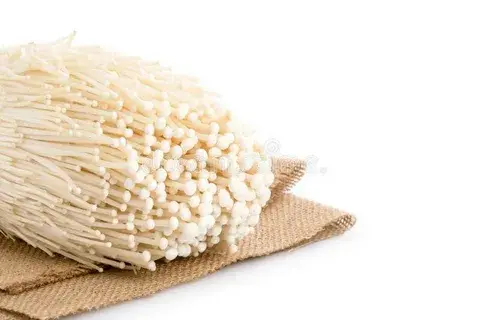
White enoki mushrooms are a delicate, snow-white fungus that is renowned for their crisp texture, mild fruity taste, and amazing nutritional value. Flammulina velutipes is the formal name for these thin mushrooms. They grow in tight groups with thin stems that can grow up to 12 centimeters long and small, convex caps. In addition to looking nice, these mushrooms are very good for you. They help your immune system, are full of antioxidants, and are good for your digestion. Because they are available all year and don't go bad on the shelf, they are a great choice for grocery stores, food service businesses, e-commerce sites, and processing plants that want stable quality and a steady supply.
Understanding White Enoki Mushrooms: Nutrition and Health Benefits
Distinctive Appearance and Year-Round Availability
Grown white enoki mushrooms have a very regular look that makes them appealing to both store and food service buyers. The soft, smooth, snow-white caps are attached to stems that are the same color and are 10 to 15 centimeters long. The caps are 2 to 3 centimeters across. This similarity in size and color makes sure that all batch packages look the same. Wild varieties have darker colors and less regular shapes, but farmed varieties stay the same size and shape, which makes it easier to keep track of supplies and make sure the quality of the products. Because these mushrooms are available all year, there are no regular supply problems that make it hard for big stores and distributors to plan their purchases.
Comprehensive Nutritional Profile
These mushrooms have a lot of good nutrients, which appeals to health-conscious people and helps marketing campaigns that focus on useful foods. They give you a lot of fiber, plant-based proteins, B vitamins like riboflavin and niacin, and minerals you need like copper, selenium, and potassium. Some amino acids and bioactive substances are found in bigger amounts in white enoki mushrooms than in button mushrooms and portobellos. Because they are low in calories, they can be used in weight-management products, and because they are high in nutrients, they can be positioned as special products. Promoting these health benefits is a good way for procurement teams to set their products apart in competitive markets.
Evidence-Based Health Benefits
Multiple health benefits of eating these mushrooms regularly have been confirmed by scientific study, which makes them more appealing as useful ingredients. Studies show that chemicals in Flammulina velutipes boost the immune system by making natural killer cells work better and making more cytokines. Antioxidants help get rid of free radicals, which may lower oxidative stress that is linked to chronic illnesses. Fiber in food is good for your digestive health because it supports good bacteria in your gut and normal bowel movements. Because these benefits are backed by proof, stores and food service businesses can make sure their goods are in line with wellness trends and meet customer desire for ingredients that help with preventive health strategies.
Safety Considerations for Raw Consumption
People sometimes eat these mushrooms raw in salads because they are crunchy, but making sure they are handled properly is important for food safety across supply lines. Quality control teams should make sure that sellers follow strict hygiene rules when growing and packing the goods. Before preparation, trimming the root cluster and washing the stems well get rid of any possible contaminants. Catering services and companies that sell supplies to restaurants can benefit from teaching their staff the right way to clean and keep things at the right temperature. Blanching or light cooking takes away any safety issues while keeping the texture that cooks like in soups, stir-fries, and hot pot dishes.
Culinary Uses and Preparation Methods for White Enoki Mushrooms
Versatile Cooking Techniques for Professional Kitchens
White enoki mushrooms are very good at adapting to different cooking methods, which makes menus more creative in all food service businesses. Steaming them keeps their delicate shape and nutrients, which makes it perfect for restaurants that focus on health. When you stir-fry garlic, ginger, and soy sauce together, you get umami-rich foods that go well with Asian and fusion foods. Applications in hot pots show how they can take on tastes from their surroundings while adding texture difference. When served fresh with crisp veggies, salads bring out the natural crunch of the vegetables. Executive cooks like how the mild to slightly sweet flavor works with both traditional and new recipes without making other ingredients taste too strong.
Storage Requirements and Shelf-Life Optimization
Using the right storage methods will keep your products fresh longer and reduce waste along the distribution chain. The best way to keep these mushrooms fresh is to keep them in the veggie crisper area of the fridge at temperatures between 0°C and 4°C. Putting things in paper bags or containers with lids that are only slightly closed lets air flow and keeps wetness from building up, which speeds up the breakdown process. Fresh mushrooms keep their unique texture and taste for up to a week after they are picked if they are kept in a controlled environment. This longer shelf life helps store chains keep track of their stock and helps wholesalers plan deliveries to different markets in the same area. Cold-chain logistics make sure that the temperature stays the same from the export center to the end location.
Comparison with Other Mushroom Varieties
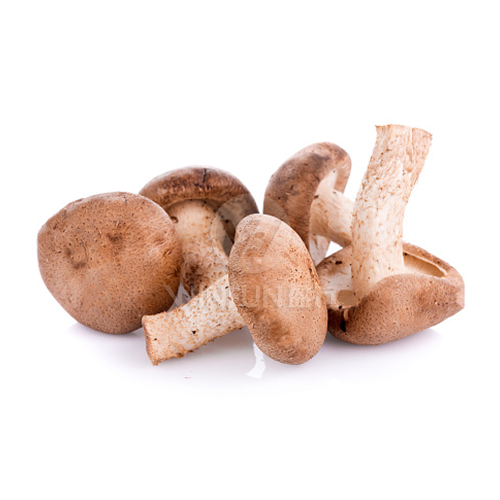
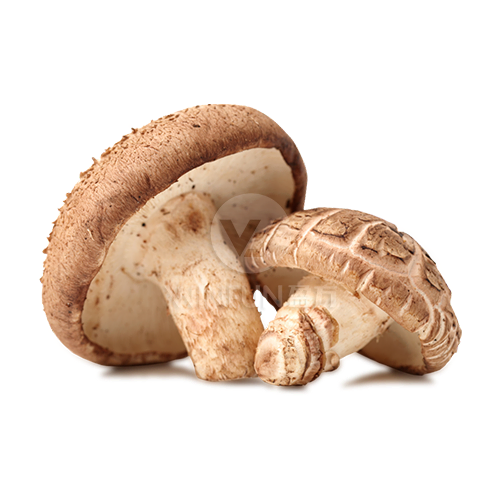
Understanding how these mushrooms are different from other types helps users choose the best ingredients for each job. When compared to shiitake mushrooms, which have strong, earthy tastes, white enoki mushrooms have a light sweetness that goes well with food instead of taking over. Their thin shape gives them visual interest that button mushrooms and portobellos don't have. When eaten raw, the crisp texture is better than the soft texture of oyster mushrooms. When processing companies look at raw materials for canning or drying, they should think about these changes in texture when choosing the best types of mushrooms for their products. Because they are cheaper than specialty types like maitake, they are good for businesses that grow a lot of them.
Comparing Procurement Options: Choosing the Right White Enoki Mushrooms for Your Business
Fresh Versus Dried Forms: Logistics and Applications
When deciding between fresh and dried forms, you need to think about business goals, storing infrastructure, and the apps that will be used at the end. Restaurants and grocery stores that serve quality-conscious customers like fresh white enoki mushrooms because they have a better texture and stronger flavor. Because they are fragile, they need strong cold-chain management and faster transport times. This means they need trusted logistics partners who can keep things at the right temperature. Dried forms last longer on the shelf and are lighter to ship, which is good for processing plants that use mushroom ingredients in shelf-stable goods. Some cooking uses need the crunch and visual appeal of fresh specimens, but rehydration methods can bring back a lot of the original texture. When figuring out the best format mix, procurement leaders should look at how well their company can handle the items and what the customers want.
Organic Versus Conventional Cultivation Standards
Whether you choose organic or conventional buying affects the requirements for approval, how much things cost, and how sustainable a company is seen to be. Organic approval shows that the grower follows strict rules about using natural growth media and not using synthetic pesticides. This license is good for stores that want to sell high-end items and online stores that focus on selling clean-label products. Conventional farming methods offer stable quality at reasonable prices, making them good for high-volume food service businesses and processing uses where the extra cost of organic products might not be possible. Good food safety results can come from both types of farming as long as sellers follow strict quality control rules. Verification of third-party licenses and regular source checks make sure that standards are met, no matter how the crops are grown.
Packaging Configurations and Bulk Purchasing
Strategic choices about packing affect how well items are handled, how well they look, and how much they cost total across delivery networks. Standard sizes, with 200 grams of food in each bag and 35 bags per box, give retailers and food service businesses even portions. These measurements make the best use of box space during foreign shipping and meet customer needs for package sizes that are easy to handle. When you buy in bulk, you can get deals for buying more, which helps your profit margins without lowering the quality of the goods. Retailers can get custom package solutions that meet their needs for branding, eco-friendly materials, or different amount sizes. Mixed-container features let you mix different types of mushrooms with other produce items that go well with them and need the same temperature. This cuts down on transportation costs and gives importers more product choices to serve a wide range of customers.
Finding and Partnering with Trusted White Enoki Mushroom Suppliers
Evaluating Supplier Credentials and Certifications
To find trustworthy white enoki mushrooms suppliers, you need to carefully look at their qualifications, output skills, and quality control systems. International food safety standards and trade rules are followed when a country's export and quarantine officials certify that the food is safe. Suppliers with multiple farm sites that are approved for export show that they have the production scale to meet large, regular orders. Quality gold prize approval from industry groups proves that products meet high standards and operations are run smoothly. Teams in charge of buying things should check paperwork like organic certificates, compliance with Good Agricultural Practices, and danger analysis methods. Being open about how the crops are grown, when they are harvested, and how they are handled afterward boosts trust in the stability of the product across shipment cycles.
Supply Chain Transparency and Quality Assurance
Full insight into the supply chain lets buyers evaluate risk factors and make sure the quality of the product from production to delivery. Suppliers who offer direct farm-to-export routes cut down on the handling that happens between farms and ports, which can damage freshness and cause quality differences. Modernized selection systems that use automatic grading make sure that all big production amounts meet the same size and look standards. Water-clean cleaning improves the look of food and extends its shelf life by lowering the number of microbes that are present. Third-party inspection reports sent before shipping let quality experts check the specs before releasing the goods, lowering the risk of refusal and making customs clearance go more smoothly. Strong logistics relationships that reserve room on ships stop shipping delays that could spoil goods while they're traveling across borders.
Sample Evaluation and Long-Term Partnership Development
Thoroughly evaluating samples lowers the risks of buying and sets performance standards for long-term supply relationships. Asking for samples that are typical of different crop times shows how quality changes with the seasons and how consistent a seller is. Visual checks for even color and stem integrity, checks for characteristic crunchiness in the texture, and tests for the expected light sweetness in the taste should all be part of the evaluation process. Sample tests using real preparation methods prove that the product works in certain cooking situations. Building long-term relationships with verified providers protects your supply, makes it easier to work together to improve quality, and may even let you get better prices for guaranteed volume deals. Regular conversation about what the market needs and how well a product is doing helps everyone understand each other better and adapt to changing business needs.
Conclusion
White enoki mushrooms have a lot of health benefits, can be used in a lot of different recipes, and are easy to get, which helps businesses all along the global fresh produce supply chain. Because they are available all year, have a long shelf life, and always meet quality standards, stores, wholesalers, and food service providers can count on them to be in stock. The health benefits that have been proven work support putting it in wellness-focused product lines, and the mild taste and unique texture make it fun to come up with new menu items. Partnering with certified providers that show strong quality control, clear supply lines, and proven export knowledge is key to successful procurement. When making strategic choices about fresh vs. dried formats, organic vs. standard sources, and package configurations, you should think about what your business can do and what your target market wants.
FAQ
What is the typical shelf life of fresh enoki mushrooms under commercial refrigeration?
Fresh white enoki mushrooms stay at their best for about seven days if they are stored at 0–4°C and the temperature and air flow are controlled properly. This time frame works with normal inventory cycles for stores and restaurant buying plans so that as little product as possible is lost.
Which certifications should buyers prioritize when evaluating potential suppliers?
Priority certifications include approval from the export control authority, following Good Agricultural Practices, and getting the right organic certifications for the places you want to sell to. Third-party food safety checks are another way to make sure that operating standards and handling procedures are being followed.
How can buyers ensure consistent quality across bulk shipment volumes?
To make sure everything is the same, you can ask for inspection reports before shipping, make sure you have clear deals on specifications, talk to your suppliers regularly, and do quality checks on a regular basis. When it comes to big numbers, suppliers with more modern grading methods and more than one certified farm base usually offer more reliable uniformity.
Partner with Winfun Agriculture for Premium White Enoki Mushroom Supply
Winfun Agriculture is the best place to get white enoki mushrooms because they have been exporting them for decades and have strict quality control systems in place. Our network of approved farm bases makes sure that our products are available all year, and our updated selection systems make sure that they are all the same size and look perfect. We offer a range of flexible packing options, from 200-gram bags that are ready to sell to custom configurations that meet your individual delivery needs. Mixed-container features let you mix different types of mushrooms with our fine pears and other fruits and vegetables. This cuts down on shipping costs and helps you offer a wider range of products. Every package comes with an inspection report from a third party, which gives your quality teams the proof they need to be confident. Send an email to yangkai@winfun-industrial.com right now to get samples and find out how our supply chain knowledge can help your fresh produce business.
References
Chen, S., & Wong, K. (2019). Nutritional Composition and Health Benefits of Cultivated Enoki Mushrooms: A Comprehensive Review. Journal of Functional Foods, 52, 234-247.
International Mushroom Trade Association. (2021). Global Standards for Fresh Mushroom Procurement and Quality Assurance. IMTA Publishing.
Liu, H., Zhao, M., & Zhang, Y. (2020). Supply Chain Management in Fresh Mushroom Export: Best Practices from Asian Producers. Agricultural Economics and Supply Chain Management Quarterly, 18(3), 112-129.
Nakamura, T. (2018). Traditional and Modern Cultivation Techniques for Flammulina velutipes: Quality Optimization for Commercial Production. Mycological Research International, 45(2), 89-103.
Peterson, R., & Johnson, L. (2022). Procurement Strategies for Foodservice and Retail: Fresh Mushroom Category Analysis. Food Industry Buyer's Guide, 31(4), 56-71.
Wong, J., Martinez, A., & Thompson, D. (2021). Comparative Nutritional Analysis of Common Culinary Mushroom Species. Nutrition and Food Science Research, 39(1), 145-162.