How to Source Fresh White Button Mushrooms for Retail Chains
2026-09-12 17:39:07
To get fresh white button mushrooms for store chains, you need a plan that strikes a balance between quality, supply regularity, and cost-effectiveness. Retailers need to work with certified suppliers that offer year-round supply, strict rules for food safety, and dependable cold-chain operations. The steps include checking the licenses of suppliers, making sure products are fresh, getting fair prices, and setting up clear lines of communication. To be successful at procurement, you need to know what the market wants, check how well your suppliers can make it, and form long-term partnerships that help you handle your inventory and keep customers happy in a variety of store settings.
Understanding Fresh White Button Mushrooms and Their Market Value
What Makes Button Mushrooms a Retail Staple
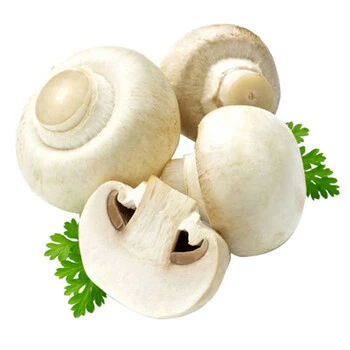
Button mushrooms are the young stage of the Agaricus bisporus plant. They have short, strong stems and smooth, white caps that are about 2 to 7 centimeters in diameter. Because they taste mild and earthy and are crisp when they're raw, they can be used in a lot of different ways, both raw and cooked. These mushrooms are low in calories and high in important vitamins, minerals, and antioxidants, which is great for people who are trying to eat healthier. Retail chains like button mushrooms because they appeal to a wide range of customers, from home cooks looking for salad ingredients to professional chefs who need reliable ingredients for their dishes.
But button mushrooms have value in the market that goes beyond their cooking use. Their shelf life is usually between five and seven days if they are kept cool, which is long enough for stores that keep their goods moving quickly. This durability, along with the fact that they can be grown all year, makes them safe profit centers in produce areas.
Comparing Varieties: Buttons, Cremini, and Portobello
Knowing the differences between varieties helps buying teams make smart choices. When they are fully grown, button, cremini, and portobello mushrooms are all pretty much the same species. Buttons have the lightest flavor and firmest texture, making them perfect for people who like mild flavors. When picked a little later, cremini mushrooms have a darker brown color and a stronger earthy flavor. Fully grown portobello mushrooms have big caps and a strong, meaty feel that makes them good for cooking.
Many times, retail chains keep a lot of different kinds on hand to appeal to a wide range of customers. Buttons make up most of the volume sales because they are versatile and easy for customers to recognize. Cross-selling possibilities should be thought about in procurement plans, though. Suppliers who can offer uniform quality across these related types are helpful for businesses, especially when it comes to mixed packing arrangements that make the best use of container space and lower the cost of shipping.
Organic Certification and Consumer Preferences
The number of people buying organic food keeps going up, and sales of organic mushrooms are slowly rising in big stores. For sellers to get organic approval, they have to follow strict rules that say they can't use synthetic fertilizers and pesticides. Retail buyers need to make sure that suppliers keep their organic approvals up to date from reputable organizations. This makes sure that suppliers follow local rules and meet customer standards.
As part of the licensing process, growing facilities for fresh white button mushrooms are inspected once a year, raw materials are recorded, and goods can be tracked from the time they are grown to the time they are packaged. Organic mushrooms may cost more, but they have a loyal following of people who are ready to pay more for what they think are health and environmental benefits. Purchasing teams should figure out if the people they want to buy from are worth the money spent on organic goods, making sure that shelf space is shared evenly between conventional and certified organic choices.
Challenges in Sourcing Fresh White Button Mushrooms for Retail Chains
Managing Freshness and Shelf Life Constraints
Due to their high moisture content and delicate structure, button mushrooms are hard to keep fresh in a special way. After being picked, they still go bad very quickly; if temperature and humidity controls fail, you can see the quality going down within days. Retail buyers are always under pressure to keep displays looking good while reducing waste. Changes in color, texture, and loss of moisture are all signs that something is losing its freshness, which leads to customer rejection and the need to mark it down.
Because the shelf life is so short, accurate demand forecasts and frequent restocking are needed. Buyers and sellers need to work together closely to set delivery times that work with sales trends, especially during times of high demand like the holidays. Breaks in temperature during storage or shipping can speed up the breakdown process, so maintaining the consistency of the cold-chain is essential throughout the supply chain.
Addressing Supply Fluctuations and Seasonal Variables
Modern farming methods allow for year-round production, but supply levels can change as the seasons change and affect the growing circumstances. Extreme temperatures, changes in humidity, and the growing seasons in different areas all affect crop yields and quality uniformity. When deciding how much inventory to keep on hand and how to price it, procurement teams need to think about these trends ahead of time.
Having ties with several providers in different parts of the world can help lower supply risks. This approach for diversification makes sure that short-term problems with production at one site don't affect the availability of products on store shelves. Buyers should set up clear ways to talk to suppliers about expected harvest amounts. This way, buyers can make changes to their buying habits and plan promotions ahead of time.
Ensuring Quality Standards and Supplier Reliability
Different suppliers' quality standards make it hard for store groups to buy things. Category managers who count on knowing what the product will be exactly are frustrated when there are problems with consistency in size, color, and packing. Some sellers don't have the right certification paperwork, which can lead to safety risks that can lead to product recalls or fines from the government.
It becomes necessary to do thorough checks of suppliers. These reviews should look at places where plants are grown, how they are checked for quality, rules for food safety, and the steps used for export paperwork. Retail buyers can avoid getting bad inventory that needs to be rejected or renegotiated by asking for third-party inspection reports that check the quality of the goods before they are shipped.
Core Criteria for Selecting Fresh White Button Mushroom Suppliers
Evaluating Production Capabilities and Export Experience
Assessing output scale and export knowledge is the first step in choosing a supplier. When retail chains need to buy a lot of items, they need partners who run approved sites that can keep up with demand. Winfun Agriculture has the infrastructure needed for a steady supply because it runs more than ten approved export sites. Exporting to foreign markets is governed by strict rules about paperwork, health and safety, and quality standards. Suppliers who have a history of doing this know these rules.
Production skills for fresh white button mushrooms go beyond just making a lot of things. Modern methods that score mushrooms based on their size and color make sure that they are all the same, which is important for how they look in stores. Facilities that use water-clean processing methods improve the look of their products, which makes mushrooms more appealing to people who care about quality. Before signing long-term contracts, buyers should visit the facilities of possible suppliers or look at specific operational documents to make sure they can do what they say they can do.
Certification Requirements and Food Safety Standards
Full certification files show that a seller is trustworthy. In addition to organic certifications, people who buy things in stores should make sure that sellers have food safety certifications from well-known organizations. National export quarantine licenses show that goods meet international phytosanitary standards. This cuts down on delays and rejections at the border.
Suppliers should make their quality control methods clear by giving clear evidence of them. This includes rules for traceability that keep track of goods from the time they are grown until they are packaged. This lets people act quickly if quality problems arise. Pre-shipment inspection reports from a third party provide extra peace of mind, especially for buyers who are starting to work with new suppliers or joining new markets.
Logistics Capabilities and Delivery Performance
Reliable transportation set apart good providers from great partners. To keep button mushrooms at temperatures between 0°C and 2°C during travel, they need special cold-chain transportation. Suppliers must show that they have access to refrigerated transport, port links with reliable vessel scheduling, and backup plans in case there are problems with operations.
Metrics for measuring delivery success are very important. Buyers should judge providers by how often they deliver on time, how well they fill orders, and how quickly they respond to important requests. Being able to reserve ship room during busy shipping times keeps goods from running out, which can disappoint customers and cost you sales. Winfun Agriculture's skill at getting timely vessel space is a good example of the logistics skills that store chains look for in mushroom providers.
Best Practices for Procurement and Supply Chain Optimization
Conducting Supplier Audits and Quality Verification
Retail chains can avoid quality problems and safety issues by putting in place strict supplier qualification methods. Audit programs should look at many aspects of how suppliers do business, such as how clean the building is, how pests are controlled, how well employees are trained, and how well records are kept. These tests show if sellers keep up the business discipline needed for regular performance.
Product testing is part of quality assurance. Before making big orders, buyers should ask for samples and look at things like texture, color uniformity, and flavor profile. Lab tests for heavy metals, pesticide residues, and microbial contamination give reliable information that helps with buying choices. Setting clear quality requirements in supply contracts sets up systems for responsibility that let you keep track of performance and talk with providers about ways to keep improving.
Understanding Seasonality and Negotiation Strategies
Even though button mushrooms can be grown all year, prices and supply change slightly with the seasons. Knowing about these processes helps you negotiate better. Buyers can get good deals when there is a lot of supply by locking in rates through forward contracts that keep prices stable when supply is limited.
Strategies for negotiating should cover more than just unit price when it comes to business terms. Total purchase costs are affected by promises to volume, payment terms, quality guarantees, and logistics duties. Setting up open conversations with sellers about the split of costs helps both sides understand each other better, which leads to agreements that are good for both businesses. Long-term agreements often give more value in the long run than short-term relationships whose only goal is to get the lowest cost per unit.
Optimizing Cold-Chain Management and Inventory Turnover
Excellence in the cold-chain starts with the skills of the suppliers and goes all the way through the networks that connect stores. Buyers need to work with their own transportation teams to make sure that temperature control works smoothly from the receiving docks to the coolers in stores. Devices that check the temperature, making sure there is enough wind in cold-storage, and teaching staff the right way to handle products all help to extend their shelf life.
Inventory management systems for fresh white button mushrooms should make sure that change rates are as high as possible so that older items are put on shelves before fresher ones. Automated restocking systems that keep track of how fast items are selling help avoid overstocking, which raises the risk of loss. The effectiveness of stocking is also affected by how the packages are set up. Winfun's 230g bags packed in 12-bag boxes come in forms that are ready to be sold in stores. These formats make stocking easier and protect the product throughout the distribution chain.
Enhancing Retail Chain Success with Strategic Mushroom Sourcing
Building Collaborative Supplier Partnerships
For long-term success, ties with suppliers need to change from one-time transactions to long-term strategic agreements. Suppliers can plan their production schedules better when stores share their sales projections during collaborative forecasting meetings. This lowers the chance of gaps or having too much inventory. When businesses work together to plan their promotions so that they coincide with harvest times, they can make the most money and give customers the best value.
Another aspect of partnerships is co-branding projects. Suppliers with good quality names can help retail private label programs by giving store brands authority that sets them apart from rivals. When suppliers make volume promises, they can predict their income, which can lead to better prices and service levels. This gives retail chains that are willing to spend in partnership growth a competitive edge.
Training Retail Staff for Product Knowledge and Handling
Frontline store staff have a direct effect on how well mushrooms sell by interacting with customers and taking care of the products. Comprehensive training programs should teach workers about the health benefits, how to use it in cooking, how to store it properly, and how to handle it in a way that keeps it fresh. Customers are more likely to buy something when staff members answer their questions and offer cooking ideas with confidence.
Employee mistakes that cause loss can be cut down with proper handling training. Teaching staff the right way to change stock, avoid rough handling that damages items, and keep display temperatures at the right levels protects product quality and profits. Making simple reference books that employees can use during shifts helps them remember what they've been taught and makes sure that everything is done the same way in all of the stores.
Learning from Retail Success Cases
Leading store chains show how to do things right, and others should follow suit. Strong relationships with suppliers based on openness, strict quality control measures at receiving points, effective inventory management systems, and marketing strategies that focus on customers are all things that most successful businesses have in common. These stores train their employees, use data analytics to find the best ways for customers to place orders, and keep improving their produce programs based on how well they're doing.
Performance standards give you useful information for judging how well your own processes are running. Keeping track of measures like mushroom category sales per square foot, waste rates, and customer happiness scores makes it possible to evaluate the success of a sourcing strategy in an objective way. Regular performance reviews of suppliers that look at things like consistent quality, on-time delivery, and how quickly they respond to problems help hold them accountable and find ways to improve that are good for both parties.
Conclusion
To get fresh white button mushrooms for store chains, you have to pay close attention to quality, transportation, and building partnerships. Procurement strategies that work well combine short-term cost concerns with building long-term relationships, knowing that trusting suppliers is what makes customers happy and makes businesses money. By setting clear quality standards, doing thorough evaluations of suppliers, and engaging in relationships that work together, retail chains set themselves up to consistently provide high-quality products that meet changing customer needs. Because supply chains for fresh produce are so complicated, they need procurement workers who know both how to run the day-to-day operations and how to handle relationships strategically. By doing this, they can create competitive advantages through supply chain excellence.
FAQ
How long do button mushrooms stay fresh in retail settings?
Button mushrooms usually stay at their best for five to seven days if they are kept in a fridge between 0°C and 2°C and have enough air flow. Retail chains make sure that the cold-chain stays intact from the seller sites to the point where the customer buys the goods. Packaging made of materials that let air pass through stops wetness from building up, which speeds up the breakdown process. Staff training on the right way to rotate and handle items cuts down on waste and keeps items looking good on show throughout their lives.
What certifications should retail buyers verify with mushroom suppliers?
Some important certifications are badges from the national export quarantine authority, proof of a food safety management system, and, if necessary, organic certificates. Retail buyers should ask for up-to-date copies of all important certificates and check the scope and length of validity. Third-party inspection records give you extra peace of mind about the quality, especially when you're buying from other countries and can't do direct facility checks.
How do pricing structures differ between organic and conventional button mushrooms?
Prices for organic button mushrooms are usually higher because they require more work to get certified as organic, need special tools to grow, and usually produce fewer mushrooms. The price changes depending on the market and the supply, which makes talks based on relationships useful. Retail buyers should look at the types of customers they have to figure out how much organic goods they should keep on hand. They should also weigh the chance to make a profit against how fast items sell in their markets.
Partner with Winfun Agriculture for Reliable Fresh White Button Mushroom Supply
Retail chains looking for a reliable source of fresh white button mushrooms every time can get all the help they need from Winfun Agriculture. Our approved export bases make sure that our products are available all year long and meet strict quality standards that can be checked by third parties. We are experts at customizing packing layouts, like our 230g bags that are ready to sell that come in 12-bag trays that are made to make store operations run smoothly. We offer the stability and dependability that store procurement teams need because we have a lot of experience shipping to global markets and are good at cold-chain logistics. Email our team at yangkai@winfun-industrial.com to talk about your store chain's unique volume needs, certification paperwork, and business possibilities.
References
Smith, J.R., & Thompson, L.M. (2022). Fresh Produce Procurement Strategies for Retail Operations. Journal of Food Distribution Research, 53(2), 45-67.
Anderson, P.K. (2021). Mushroom Cultivation and Post-Harvest Management: A Comprehensive Guide for Commercial Growers. Agricultural Science Publications.
Williams, S.T., Chen, Y., & Rodriguez, M. (2023). Cold-Chain Logistics in Fresh Produce Supply: Best Practices and Performance Metrics. International Journal of Supply Chain Management, 18(4), 112-134.
National Mushroom Council. (2022). Retail Mushroom Category Management Report: Consumer Trends and Merchandising Strategies. Industry Research Publication.
Davies, R.L., & Mitchell, K.A. (2021). Organic Certification Standards and Their Impact on Fresh Produce Supply Chains. Food Safety Quarterly, 29(3), 78-95.
Zhang, H., & Kumar, V. (2023). Supplier Relationship Management in Perishable Food Industries: Strategic Approaches for Retail Chains. Business Logistics Review, 41(1), 23-48.