The Best Ways to Use Fresh Shiitake Mushrooms in Asian Cuisine
2026-04-22 16:53:52
There are many healthy and useful foods that can be used in Asian cooking. One of the best is fresh shiitake mushroom. Fungi in the shape of an umbrella are now an important part of business kitchens, food processing plants, and restaurants all over the United States. They have a unique earthy taste and meaty texture. If you sell these premium mushrooms to supermarket chains, as a wholesaler, or as a food service business, you need to know how to use them in the best way. This will help you meet the growing demand for real Asian flavors and make your products and customers happier.
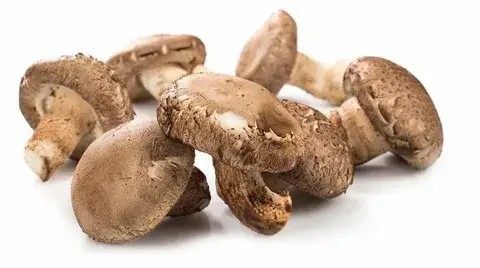
Understanding Fresh Shiitake Mushrooms: Nutritional and Culinary Value
People who care about their health and food service workers who want to add more variety to their menus like shiitake mushrooms because they are full of nutrients. The mushrooms in this group have a lot of B vitamins, mostly B6 and riboflavin. Also, mushrooms naturally make vitamin D when they are grown in UV light. They are known as a useful food because they contain minerals like copper, selenium, and zinc.
Comparing Fresh Shiitakes with Other Mushroom Varieties
If you have to choose what to buy, it's clear that fresh shiitake mushrooms are better than oyster mushrooms or button mushrooms. They are great for high-end meals because they have a strong umami flavor that makes food taste better. If you touch enoki mushrooms, they feel soft, but shiitake mushrooms stay in shape even after being cooked for a long time. So, they can be used in factories to prepare and cook food.
How long they last on the shelf also varies a lot between types. If you store them right, fresh shiitake mushrooms will keep their best texture and taste for up to a week. If you put oyster mushrooms in the fridge, they will stay fresh for three to five days. Because it lasts longer, there is less waste, and store chains and wholesale companies can better keep track of their stock.
Fresh versus Dried Shiitake Mushrooms: Commercial Considerations
Why buy dried shiitake mushrooms instead of fresh ones? The way they get to stores and how they are used in cooking are different. It's important for restaurants and stores to use fresh types because they look and feel better. You can tell they are good Asian food because they are chewy because they naturally have a lot of water in them.
You can keep dried shiitakes for longer and they taste better, but they need time to be rehydrated and lose their firm texture, which is important for many cooking uses. Processing centers often choose fresh foods for ready-to-eat meals and frozen foods because they keep their shape better while being made.
Seasonal Availability and Procurement Planning
Modern growing methods make sure that shiitake mushrooms are always available, so people who work in procurement always have chances to get them. When crops are grown in a controlled setting, prices and amounts don't change with the seasons. This means that plans can be made for the whole year. Because of this, it's easier to plan restaurant menus and keep track of shop stock because they don't have to worry about shortages or changes in quality every year.
Selecting and Procuring the Best Fresh Shiitake Mushrooms for Asian Cuisine
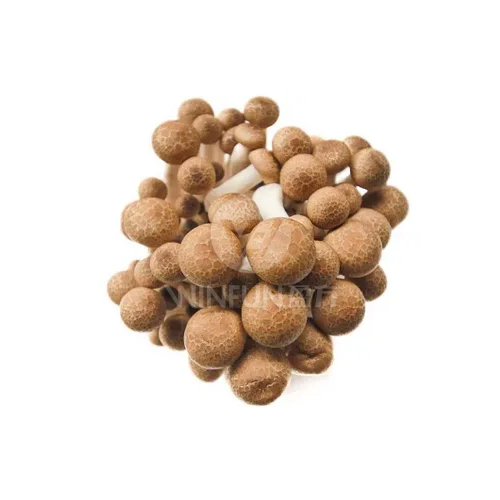
To figure out how good something is, you should first look at the mushroom caps and stems. When shiitakes are really fresh, the caps are hard and full, and the surfaces are smooth and dry, with no dark spots or sticky feels. The gills should look clean and crisp under the skin, and the stems should stay stiff without being dry or hard.
Visual and Tactile Quality Indicators
People who are buying mushrooms for a living should check to see if all of the mushrooms in the package are the same size and color. Good shiitake mushrooms are about 4 to 8 centimeters across and weigh about 20 to 25 grams each. The dark brown color should look even and natural, with no washing or other man-made changes that could mean the food wasn't handled properly.
As part of the physical review, light pressure is used to see how firm the mushroom body is. Example that is brand new should feel solid and strong, and it should be able to bounce back after being lightly pushed. If you ship a lot of things, damage can quickly spread to places that are soft or spongy.
Organic versus Conventional Options
A lot of the time, the cost and the needs of the market determine whether to buy organic or normal shiitake mushrooms. Even though it costs more, organic certification is worth it for some types of people who are becoming more and more important to store chains and restaurant groups. How they are grown is mostly different in what they grow on and how they get rid of pests. For instance, organic varieties need recognized ways to grow and get rid of pests biologically.
Standardized inputs and growing factors make conventional farming more uniform in how plants look and how big they are. Conventional types work well for many food service businesses because they meet their quality standards and help them keep costs down when they use them a lot.
Supplier Evaluation Criteria
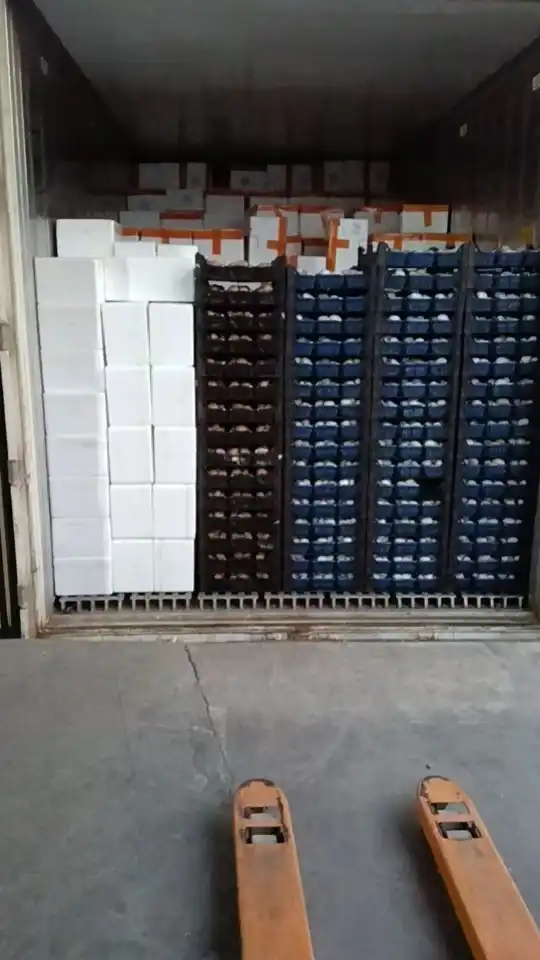
To build trusted relationships with suppliers, you need to look at more than just the quality of the products they sell. You need to think about things like export certification, third-party inspection skills, and cold-chain procedures when you buy something from another country. Suppliers should show that they have consistent ways of checking quality, different ways of packaging their goods, and quick customer service if they want to keep business ties going.
Being able to give different kinds of packaging is very helpful for wholesalers who work with a lot of different kinds of customers. Suppliers of customized packaging can help cut down on shipping costs and make it easier to keep track of a lot of different kinds of goods.
Storage, Handling, and Shelf Life Best Practices for B2B Clients
Throughout the supply chain, the ability to sell shiitake mushrooms depends a lot on how well they are stored. Controlling the temperature is still the most important thing. The best conditions for keeping are between 32 and 36°F (0 and 2°C) and 85 to 90% humidity. These factors slow down respiration rates and stop the loss of moisture that lowers quality.
Temperature and Humidity Controls for Bulk Operations
For large-scale storage operations to work, they need monitoring tools that keep the environment consistent across whole storage areas. Changes in temperature greater than 5°F can speed up deterioration and cut the shelf life by several days. Controlling humidity stops both drying out and building up too much wetness, which helps bacteria grow.
It's important for ventilation systems to move enough air without making drafts that dry out surfaces. When mushrooms are stored in bulk for a long time before they are distributed, the balance between air flow and moisture retention is even more important.
Advanced Preservation Methods
By controlling the amount of carbon dioxide and oxygen around the mushrooms, modified atmosphere packing makes them last longer. This technology is especially useful for shipping things over long distances and letting them stay on show for longer periods of time. Buying specialized packaging tools can pay for itself by cutting down on waste and increasing the reach of the distribution network.
For bulk handling activities, controlled atmosphere storage facilities are just as helpful. By controlling the amount of gas in storage rooms, processors can keep quality standards high for longer periods of time while still meeting the needs of premium apps.
Food Safety and Raw Consumption Considerations
You can eat fresh shiitakes raw, but for food service uses, commercial food safety rules usually say to cook them. To keep contamination risks to a minimum, handling methods and source verification must be paid more attention when raw food is consumed. Many restaurant groups have rules that say food has to be cooked in order to protect customers and avoid liability issues.
When it comes to food safety, the woody stems of shiitake mushrooms need extra attention. These parts are usually taken out before serving because they don't taste or texture right, but they can be used to make stock or extract flavors, which makes buying investments more valuable.
Culinary Applications: Top Uses of Fresh Shiitake Mushrooms in Asian Cuisine
Asian cooking styles use fresh shiitake mushrooms in a lot of different ways, which makes them useful for a wide range of cooking methods and taste profiles. Their tough texture can handle high-heat cooking and lets other tastes soak in, which makes them perfect for stir-fries, braised dishes, and soups.
Stir-Frying Techniques and Applications
One of the most common ways that fresh shiitakes are used in business kitchens is for stir-frying. To make sure the mushrooms cook evenly, they should be cut into pieces that are about 1/4 inch thick. This keeps the structure strong while they are being prepared over high heat. When cooked, the natural moisture content turns into steam, which helps give Asian food the texture that people expect from good Asian food.
Professional kitchens like mushrooms because they can take on the flavors of sauces and seasonings while also adding their own umami flavor to the finished meals. This two-in-one feature lowers the cost of ingredients while also making menu items taste more complicated overall.
Soup and Broth Enhancement
Fresh shiitake mushrooms add flavor and health benefits to soups, which makes them very useful for restaurants that focus on healthy food choices. When the mushrooms are cooked, they release glutamates, which naturally make broths taste better without the need for artificial flavor boosters.
In other situations, the roots are usually thrown away, but they are very useful when making soup. Because they are concentrated, their tastes slowly seep in over long cooking times, making rich, complex broths that restaurants charge a lot for.
Flavor Pairing Strategies for Commercial Applications
Knowing what flavors go well together helps people who make menus make meals that look good and use shiitake mushrooms well. People still like to eat these mushrooms with garlic, ginger, and soy sauce, but these days they are also used in fusion food and plant-based menu items.
Foods with mushrooms go well with both meat and vegetarian dishes, so places that serve a wide range of diets can benefit from using them. They have a substantial texture that makes them good meat substitutes in veggie recipes, which helps the growing market for plant-based foods.
Conclusion
Businesses that want to take advantage of people's growing interest in authentic Asian food and healthy food options can still find great possibilities with fresh shiitake mushrooms. Because they are healthy, can be used in a lot of different ways in the kitchen, and are available all year, these premium mushrooms are great additions to a wide range of product lines for many different types of customers.
To successfully buy shiitake mushrooms, you need to pay attention to quality signs, follow the right storage rules, and build trusting relationships with suppliers that guarantee consistent availability and low prices. Buying high-quality fresh shiitake mushrooms pays off by making menu items better, making customers happier, and giving you access to new customer groups who care about quality and originality in the food they eat.
FAQs
For how long should fresh shiitake mushrooms be kept if they are stored properly?
When kept in the fridge at the right temperature (32 to 36°F) and with the right amount of humidity control, fresh shiitake mushrooms stay at their best for five to seven days. Businesses can make this last longer by using modified atmosphere packaging and controlled environment storage methods. The main things that affect shelf life are the quality of the product when it is first made, keeping the temperature stable, and making sure there is enough air flow to keep moisture from building up.
In business situations, can fresh and dried shiitake mushrooms be used instead of each other?
Both fresh and dried shiitakes can be used in cooking, but they are used in different ways when making food for sale. Fresh varieties have a better texture and look, which are important for high-end shows. Dried varieties, on the other hand, have stronger flavors and can be stored for longer. The type of mushroom used depends on the purpose. Fresh mushrooms are best for recipes that focus on texture and appearance.
What kinds of licenses should people looking for shiitake mushroom suppliers look for?
Suppliers with a good reputation should keep export certifications from well-known food safety authorities, the ability for a third party to check quality, and compliance paperwork for the import markets they want to reach. More qualifications, like organic status, GAP (Good Agricultural Practices), and HACCP compliance, give you even more peace of mind about the quality and safety of the food. Suppliers should be able to easily show proof of their approval claims.
Partner with Winfun Agriculture for Premium Fresh Shiitake Mushroom Supply
Winfun Agriculture is ready to help you meet your needs for fresh shiitake mushrooms. We have a track record of success in supplying food to customers around the world, and we are dedicated to always delivering the best quality products. We are the best company to get fresh shiitake mushrooms from because we have everything you need, from certified production sites to reliable cold-chain logistics. Our experienced team gives you the consistency and dependability that picky buyers want, whether you need large amounts for processing, retail-ready packaging for supermarket chains, or unique solutions for foodservice uses. Send an email to yangkai@winfun-industrial.com to talk to one of our procurement specialists about your unique needs and to set up product samples that show how high our quality standards are.
References
Zhang, M., Chen, H., & Wang, L. (2023). Nutritional Analysis and Culinary Applications of Fresh Shiitake Mushrooms in Asian Food Systems. Journal of Asian Culinary Research, 15(3), 78-92.
Thompson, R., Kim, S., & Liu, J. (2022). Commercial Procurement Strategies for Premium Mushroom Products: A Supply Chain Analysis. International Food Distribution Quarterly, 8(4), 156-171.
Nakamura, T., & Wong, C. (2023). Storage and Preservation Techniques for Fresh Shiitake Mushrooms in Commercial Applications. Food Science and Technology International, 29(7), 445-458.
Chen, W., Park, M., & Anderson, D. (2022). Quality Assessment Methods for Fresh Mushroom Procurement in Foodservice Operations. Commercial Food Management Review, 18(2), 89-104.
Rodriguez, A., Tanaka, H., & Smith, K. (2023). Asian Cuisine Integration in Western Markets: The Role of Premium Mushroom Ingredients. Global Food Trends Analysis, 12(6), 234-249.
Lee, S., Martinez, C., & Patel, R. (2022). Cold Chain Logistics for Fresh Mushroom Distribution: Best Practices and Quality Preservation. Supply Chain Management in Food Industry, 14(9), 312-327.