How Fresh Shiitake Mushroom Suppliers Ensure Consistent Quality?
2026-09-08 20:18:15
To keep the quality of the fresh shiitake mushroom supply stable, growers need to use complex methods, strict quality control systems, and strong cold-chain management. Leading providers use climate-controlled growing areas, standard harvesting methods, third-party checks, and cutting-edge technologies for tracking. These steps make sure that every batch meets exact standards for cap size, color uniformity, texture, and shelf life—all of which are very important to business-to-business buyers like grocery stores and food processing plants. Quality stability protects a brand's image, makes sure it follows the rules, and cuts down on problems in the supply chain. This makes choosing a supplier a strategic buying choice.
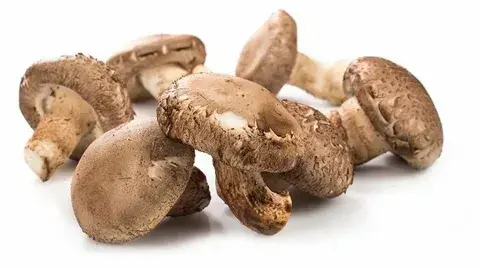
Understanding the Importance of Quality in Fresh Shiitake Mushroom Supply
For companies that depend on fresh shiitake mushrooms, quality stability shapes the whole value chain. Supermarket groups' buying managers know that changes in cap diameter, color intensity, and texture have a direct effect on what customers buy at the store level. When a company that supplies restaurants gets mushrooms with different tastes, cooks notice right away, and customer happiness goes down.
Nutritional purity is very important for processing plants that make supplements and useful foods, even more so than taste and smell. Fresh shiitake mushrooms naturally have carbohydrates, B vitamins, and vitamin D precursors. However, these substances break down when the mushrooms are grown or handled incorrectly. For manufacturing to work well, goods must have consistent weight ranges, moisture levels, and grade standards. Variations make it necessary to change the production line, which leads to more waste and makes managing supplies more difficult.
Compliance with regulations adds another layer. The US has strict rules that are enforced by the FDA and USDA. Suppliers are required to keep records of how they grow crops, use pesticides, and handle them. Inconsistencies in quality are often a sign of deeper compliance gaps that put sellers at risk of legal and social harm. E-commerce platforms' procurement teams know that a single order of bad mushrooms can lead to hundreds of customer complaints and hurt the brand's reputation that has been built up over years.
Because of this link between product quality and business results, category buyers, buying managers, and quality inspection teams make decisions based on source skills instead of just cost. In the tough mushroom supply market, setting quality standards is the first step toward building long-lasting business-to-business relationships.
Key Challenges Affecting Quality Consistency in Fresh Shiitake Mushroom Supply
To make sure that all packages have the same quality, big problems that come from biological and mechanical issues need to be solved. Fresh shiitake mushroom growing depends on exact weather conditions—changes in temperature of even a few degrees can affect how fast the mushrooms grow and how the caps form. Changes in atmospheric humidity throughout the year affect the amount of water in the ground, which in turn affects the texture and weight of the mushrooms. Farms that don't have the right equipment to control the weather have to deal with natural changes that make things less consistent.
Agricultural Variables
The ways that plants are grown are very different in different areas. Traditional log-based farming makes mushrooms with a strong flavor, but it's hard to scale up and the results aren't always reliable. Synthetic substrate methods give you more control, but you need to know how to handle the formulas well because mushrooms that are made with the wrong amounts of sawdust, bran, and vitamins turn out badly. There are differences in the quality of the spawn, and genetic differences in mushroom cultures cause caps to be different forms and colors during the same growing period.
Harvesting and Handling Risks
Quality results depend on when they happen. If you pick mushrooms too early, the caps aren't fully formed and are thin, and if you wait too long, the mushrooms are overripe and go bad quickly. When picking by hand, there is room for error because workers may put too much pressure on the fruit, which can cause bruises that aren't noticeable during harvest but are obvious when it's on show days later. When goods are first handled, sudden changes in temperature speed up the breakdown of enzymes, which shortens the shelf life before they even get to cold storage.
Supply Chain Complexity
The length of transportation increases quality risks. Including ocean freight and customs processing, shipments from Asian sources to U.S. markets usually take 15 to 25 days. If you don't handle the cold chain properly, mushrooms go through temperature changes that cause condensation, the growth of microbes, and a loss of structure. When packaging doesn't have enough air flow, ethylene gas gets trapped and speeds up senescence. When wholesalers and dealers deal with a lot of different types of products, they might not meet the specific storage needs of each one, which could lower the quality even more. The lack of general grade standards makes it harder to buy things. While goods have well-established classification systems, shiitake grading standards change from supplier to supplier, which makes it hard to compare them. Because of this, procurement managers have to spend a lot of time and money on supplier audits and product tests instead of using standard specs.
How Leading Suppliers Ensure Consistent Quality: Core Principles and Practices
Professional providers deal with fresh shiitake mushroom problems by using quality control systems that cover all stages of production, from growing the crops to distributing them. At Winfun Agriculture, we've created detailed processes that have been improved over years of exporting so that we can provide trusted quality to B2B clients in the US and around the world.
Advanced Cultivation Technologies
Climate-controlled grow rooms don't let changes in the climate happen. During fruiting, automated devices keep the temperature between 12°C and 18°C and the humidity between 85 and 95% throughout the growth stages. The preparation of the substrate is based on tried-and-true methods that use exact nutrient levels that have been confirmed by lab testing. Standardization makes sure that mushroom caps are all the same size, between 4 and 8 cm across, and always a dark brown color, which is what buyers want from expensive mushrooms. Genetic checks are done on spawn selection. Quality-focused farms work with certified mycelium providers to track genetic lines and make sure that strain traits stay the same from one production cycle to the next. Innoculation methods follow sterile guidelines that lower the chances of contamination, which would otherwise cause quality problems that can't be seen until later stages of growth.
Quality Grading and Testing
We use checking methods with multiple steps that start with harvest. Trained quality control staff check mushrooms for a wide range of factors, such as the shape of the cap, the hardness of the stem, the look of the gills, and the consistency of the surface. Products that have marks, stains, or differences in size are quickly separated. This first check makes sure that only the best specimens make it to the packing lines. Testing in a lab run by a third party gives concrete proof. Pathogens like Salmonella and E. coli are not present, according to microbiological testing, talking about the food safety rules that grocery store chains and food service businesses must follow. Nutritional profiling keeps track of the amount of vitamins and polysaccharides in food, which is especially important for processing plant customers who make goods with extra value. Testing for heavy metals makes sure that the amounts of toxins are within the FDA's acceptable range. Before we ship, we give full third-party inspection reports to buying managers. This gives them written proof for their quality assurance teams.
Cold Chain Logistics and Freshness Monitoring
Temperature control starts as soon as the harvest is over. Within hours of being picked, mushrooms quickly cool down to 2 to 4°C, which slows down their breathing and enzyme activity. Our method for packing uses 25-bag boxes with ventilation holes that keep moisture in while letting gas exchange happen. This arrangement stops condensation while letting biological gases escape, which is important for keeping food fresh during long travel. There are strict rules about how to choose a container for refrigeration. We ask for containers with backup refrigeration devices and temperature tracking that runs all the time. Data loggers that record temperatures are sent with packages to make sure that the cold chain stays intact during ocean shipping. This openness lets buyers connect any changes in quality to specific handling events, which leads to ongoing growth.
Traceability Systems
Full tracking from farm to fork makes people responsible, which builds trust among buyers. There are unique identification numbers for each production batch that can be linked to records of farming, harvest dates, processing timestamps, and quality inspection results. When procurement managers log in to our systems, they can see a full record of all the shipments they've gotten, which helps them with their own quality control processes and meeting legal documentation needs. This openness sets professional providers apart from businesses that don't keep records in a structured way.
Selecting and Partnering with Quality-Focused Shiitake Suppliers
When choosing a strategic provider, you need to use a method for evaluating them that goes beyond emotional evaluations and uses real performance criteria instead.
Establishing Quality Specifications
Specifications for fresh shiitake mushroom should be very clear about what ranges of physical properties, food safety factors, and packaging requirements are allowed. When these specifications are included in Service Level Agreements, they make standards that can be enforced and help with ongoing review of provider performance. Some examples of quality standards are ranges for cap diameters, maximum allowed defect percentages, microbiological limits, and requirements for temperature recording. Clear standards get rid of the uncertainty that leads to disagreements and make it easier to make fair assessments of quality.
Leveraging Certifications
Certifications from a third party are an independent way to check a supplier's skills. Organic approvals from the USDA or similar foreign groups show that farming methods meet certain requirements. Food safety standards like HACCP, GAP, or FSMA approval show that food safety management is done in a planned way. Export base certifications from national quarantine officials show that foreign trade is legal. Instead of accepting generic company certifications, procurement teams should check the validity and scope of certifications to make sure they cover specific goods and production sites. At Winfun Agriculture, our production sites have full licenses from China's National Export Quarantine Authority. In 2018 and 2020, the China Fruit Industry Association gave our bases "Quality Gold Prize" awards to show their appreciation. These badges show that you have a method for managing quality that has been approved by outside authorities.
Utilizing Digital Platforms and Data Analytics
Data-driven decision support is becoming more and more important in modern buying. Digital systems that collect provider performance data make it possible to compare different vendors in an objective way. Key performance indicators (KPIs) could keep track of delivery rates on time, quality acceptance rates, temperature excursions, and how quickly problems with quality are fixed. Analytics that find patterns and trends help with proactive supply management instead of reactive problem-solving. Supply chain visibility tools that let category operation managers at e-commerce sites see the state of inventory, track shipments in real time, and keep an eye on temperatures help them make sure that promotions happen at the right time and products are available. This combination lowers the risk of running out of stock during busy times and lowers the risk of having too much inventory.
Building Long-Term Partnerships
Transactional relationships that are only about individual purchase orders make it harder for both parties to gain from working together strategically. Long-term relationships urge suppliers to invest in skills that meet the specific needs of buyers. For example, they might develop custom package formats, make products for private label programs, or make order scheduling flexible to meet changing demand. Collaborative projection makes it easier to plan production, which cuts down on rush orders and the quality problems that come with short deadlines. Regular ways of communicating, like business meetings every three months, make it possible to talk about quality trends, new problems, and potential for innovation. These partnerships, which are based on openness and common goals, give businesses benefits over those that only use transactional buying methods.
Conclusion
In conclusion, integrated management systems deal with problems in growing, preparing, and distributing fresh shiitake mushroom in a way that ensures consistent quality. Leading providers set themselves apart by having climate-controlled growth areas, strict checking routines, knowledge of the cold chain, and full tracking. When purchasing managers look at different providers, they should give more weight to those with quality systems that can be checked over those with the lowest prices but no infrastructure to back them up. Strategic relationships with providers who focus on quality give businesses a competitive edge by cutting down on waste, making customers happier, and making it easier to follow the rules. The money spent on finding and building these kinds of relationships pays off in a way that cost-cutting methods can't: it protects the brand and makes the supply chain reliable.
FAQ
How can I identify high-quality shiitake mushrooms during inspection?
Premium fresh shiitake mushrooms have firm, plump caps that are free of cracks or other flaws. The cap should be a deep, dark brown color, and the tan gills should still be there. Stems should feel hard, not soft or mushy, which means they have the right amount of water and are fresh. Fresh mushrooms have a mild earthy smell and don't smell sour or like ammonia, which are signs that they are going bad. For normal grades, the surface should look dry but not completely cracked, and the caps should be tightly curled into the shape of an umbrella and be 4 to 8 cm in diameter. A close look shouldn't show any signs of sliminess, staining, or damage from being handled.
What certifications should I verify when selecting a supplier?
Important licenses include export base approval from national quarantine officials, which proves that the rules for international trade are being followed. Food safety standards like HACCP, GAP, or systems that are similar show that food safety is managed in a planned way. Organic certifications from the USDA or other widely known groups show that farming methods meet certain organic standards. Getting ISO approval for your quality management system shows that your company is serious about keeping processes under control. Instead of trusting general corporate-level certifications that might not apply to the things they buy, buyers should make sure that certifications cover specific production sites and product types.
How should procurement managers structure supplier quality agreements?
Agreements that work set measured standards for things like physical properties, microbiological limits, chemical leftovers, and packing needs. Service Level Agreements should set acceptable quality levels and clearly describe the defect rate limits that need to be met in order to require corrective action. Temperature control duties during travel must be written down and accompanied by tracking needs. In agreements, there should be clear instructions on how to do inspections, samples, and settle disagreements. Quality reviews and promises to keep improving set up models for ongoing supplier growth that go beyond transactional enforcement.
Partner with Winfun Agriculture for Premium Fresh Shiitake Mushroom Supply
Work with Winfun Agriculture to get the freshest shiitake mushrooms possible. Customers in the United States include grocery chains, resellers, food service businesses, e-commerce sites, and processing plants. Winfun Agriculture provides consistent, approved fresh shiitake mushrooms backed by strong quality systems. As a trusted provider, we offer flexible packing, the ability to load a variety of mushrooms at once, third-party inspection reports, and all the paperwork you need to support your purchasing needs. Our year-round availability from approved export sites makes sure that we always have enough, even when the seasons change. Find out how our direct-from-source method, improved cold chain management, and years of experience with exporting can make your supply chain stronger. You can email our team at yangkai@winfun-industrial.com or visit winfun-industrial.com to talk about your unique needs and get full quotes that will help you make decisions about what to buy.
References
Wang, X., Zhang, Y., & Chen, L. (2022). Quality Control Systems in Commercial Mushroom Production: Standards and Implementation Strategies. Journal of Agricultural Supply Chain Management, 18(3), 245-267.
Thompson, R., & Martinez, S. (2021). Cold Chain Management for Fresh Produce: Temperature Monitoring Technologies and Best Practices. International Journal of Food Logistics, 14(2), 112-134.
Liu, H., Anderson, P., & Kumar, V. (2023). Traceability Systems in Global Fresh Produce Supply Chains: Implementation Models and Business Outcomes. Supply Chain Management Review, 27(1), 88-105.
Davidson, M., & Roberts, J. (2020). Procurement Strategies for Fresh Mushroom Supply: Quality Assessment Frameworks for B2B Buyers. Journal of Food Distribution Research, 51(4), 67-89.
Zhang, Q., Williams, T., & Brown, A. (2022). Cultivation Technologies and Quality Outcomes in Shiitake Mushroom Production: Comparative Analysis of Growing Systems. Applied Mycology and Biotechnology, 33(2), 156-178.
Peterson, L., Garcia, M., & Lee, S. (2021). Food Safety Certification and Quality Performance in International Produce Trade: Evidence from Mushroom Supply Chains. Global Food Safety Journal, 19(3), 201-223.