Fresh White Button Mushrooms: The Most Versatile Kitchen Ingredient
2026-09-13 19:01:14
Fresh white button mushrooms, which are the immature stage of Agaricus bisporus, are the most grown and commercially important type of mushroom in the world. Their unmatched adaptability comes from a mild, earthy taste that works well in a wide range of cooking styles, from simple salads to complex main meals. We've worked with procurement managers and quality control teams a lot, and they know that these mushrooms are must-haves for their stores because they are always popular with customers, have a lot of nutrients, and stay fresh for a long time if they are handled properly. Given that button mushrooms are low in calories and high in B vitamins, selenium, and antioxidants, they are a good choice for health-conscious customers in the retail, restaurant, and processing industries.
Understanding Fresh White Button Mushrooms
Botanical Profile and Key Characteristics
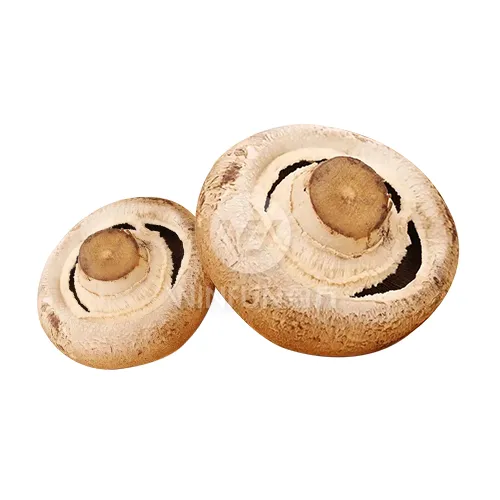
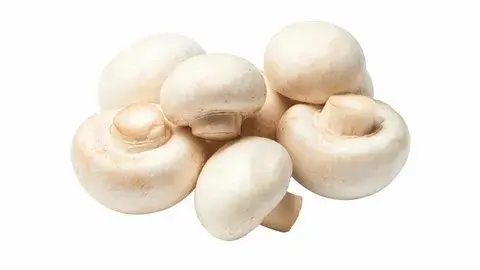
The fresh white button mushrooms have smooth, round caps that are about 2 to 7 centimeters across and are connected to short, strong stems. When you look at good specimens, you'll see that the caps stay a pure white color without any marks. When pressed, a small pink discoloration may show up, which is a normal reaction that goes away quickly and turns brown. Under caps that haven't been opened, light brown gills are hidden by a thin white veil. This makes premium mushrooms perfect for store display stand out. The thick, dense stems have the same nutritional value as the caps and add to the general meaty feel that appeals to people who want plant-based protein options.
Nutritional Value and Health Benefits
Even though they are low in calories, fresh white button mushrooms have a lot of health benefits. About 3 grams of protein, a lot of selenium, copper, and phosphorus, and almost 20% of your daily riboflavin needs are met by a 100-gram dose. According to research released by the Mushroom Council, these fungi naturally make vitamin D when they are exposed to UV light during growth. This helps people who don't get enough vitamin D in their food. The antioxidants, especially ergothioneine and glutathione, help keep cells healthy, which is a selling point that appeals to buyers who care about quality in both retail and services.
Safety Considerations for Raw Consumption
Fresh white button mushrooms are safe to eat raw, unlike some other types of mushrooms. This makes them great for fresh-cut salads and crudité dishes. This makes them very useful for a lot of different types of businesses, especially e-commerce sites and meal kit services that focus on ready-to-eat ease. It's been our experience that procurement teams that work with more than one distribution channel like this dual-use feature because it makes inventory management easier and makes the most of product use across a wider range of menu items and store forms.
Handling and Storage Best Practices for Fresh White Button Mushrooms
Effective Cleaning Techniques for Bulk Operations
Following the right cleaning steps has a direct effect on how long food lasts and how happy customers are. Fresh white button mushrooms should not be soaked because that makes them waterlogged and speeds up the rotting process. Instead, they should be gently brushed with soft-bristle tools or quickly rinsed under cool water right before use. When dealing with large amounts, procurement managers should set up cleaning procedures that are both efficient and protect quality. Because mushrooms naturally have a lot of water in them, bacteria can grow on them if extra water stays trapped. This is something that wholesale wholesalers who are in charge of long supply lines should keep in mind.
Optimal Storage Conditions and Packaging Formats
Controlling the temperature is the most important thing for keeping the quality of mushrooms. The best temperatures for keeping are between 34°F and 38°F (1-3°C), and the humidity should be around 95%. At Winfun Agriculture, our 230g packaging in 12-bag trays acts as a buffer to keep wetness in while still letting air flow through. This set-up works for both displaying food in stores and buying food in bulk for restaurants, cutting down on the number of steps needed for handling throughout the delivery chain.
Different types of wrapping work well for different types of customers. Retail buyers like pieces that are ready to eat and are easy to see, while restaurant sellers like bigger bulk packages that keep per-unit costs low. Understanding these tastes helps buying leaders make the best decisions about what to buy. Paper-based packaging keeps better air flow than sealed plastic, which extends shelf life by stopping water buildup that speeds up breakdown.
Extending Shelf Life Through Proper Ventilation
Getting enough air flow stops the buildup of moisture that causes things to turn brown and slimy too soon. It's better for storage sites not to stack bins too closely together. This way, air can flow around each unit. Our quality control observations show that fresh white button mushrooms stay fresh for 7–10 days after being harvested when they are stored properly, but only 3–5 days when they are kept in less-than-ideal circumstances. This longer window is very helpful for wholesalers who need to keep track of their goods and cut down on waste-related costs that cut into profit margins.
Cooking and Application Insights for Culinary and Commercial Needs
Versatile Cooking Methods That Maximize Flavor
Because fresh white button mushrooms can be used in so many different ways in the kitchen, they are essential for creating new menus and products. Their natural umami compounds increase when cooked over medium-high heat, adding rich, savory notes that go well with stews, gravies, and stir-fries. When you grill something, it gets a slightly smoky flavor and crispy ends, which makes it great for kebabs or as a starter on its own. Roasting at 400°F brings out the rich flavors while keeping the structure intact. This makes it perfect for business kitchens that need to prepare large amounts of food at once.
Raw Applications showcase the mushrooms' crisp structure and delicate taste stand out
Thinly sliced pieces make mixed green salads, grain bowls, and ceviche more appealing to the eye and healthier. This flexibility helps senior cooks come up with new menu items because they can use the same ingredients in different ways without having to keep separate inventory items.
Comparison with Related Mushroom Varieties
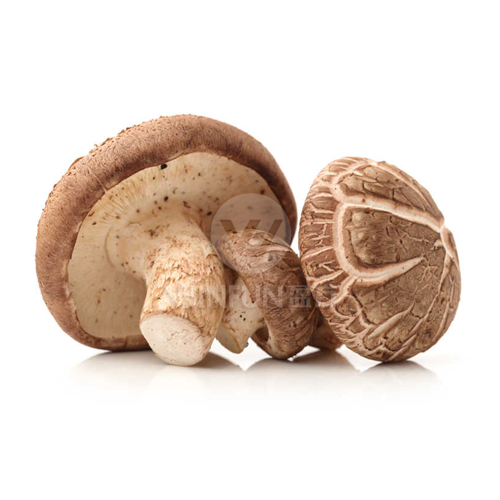
Knowing the differences between varieties helps business-to-business clients choose the right goods for their needs. Cremini (brown) mushrooms, which are from the same species but get a stronger flavor as they age longer, have a stronger flavor than fresh white button mushrooms. Portobello mushrooms are fully grown and have a strong earthy flavor and texture that make them great for meatless main dishes. Shiitake mushrooms have a stronger umami flavor and a harder structure. They cost more but fill specific needs in the kitchen.
Because fresh white button mushrooms are mild, they work well in situations where mushrooms should add to the design rather than take over. Food companies that make soups, sauces, or ready-to-eat meals like this subtlety because it lets them balance the flavors of other ingredients without making them taste too strong. Restaurant supply companies that work with a wide range of customers keep fresh white button mushrooms in stock as a basic item and other types on hand for special menu needs.
Recipe Applications Across Commercial Settings
There are many business situations where this is useful in real life. Breakfast omelets, buffet veggies, and dinner main courses are all made with fresh white button mushrooms by hotel food companies. They are used in pizza, burgers, and pasta dishes at quick-service places where uniform sizes help keep portions in check and costs predictable. Food processing companies use them in frozen dinners, canned soups, and dried goods because they are cheap and easy to get all year long.
Pairings on the menu show how well they go with different kinds of meat (beef, pork, and chicken), veggies (tomatoes, onions, and garlic), and cheeses (from mozzarella to parmesan). This wide compatibility makes it easier to come up with new recipes and makes menus simpler, which are both useful things for buying managers to think about when they're weighing the versatility of an item against the cost of keeping it in stock.
Procurement Guide: Sourcing Fresh White Button Mushrooms for B2B Clients
Evaluating Supplier Credentials and Certifications
To find trusted suppliers, you need to carefully check their quality qualifications and operational skills. Food safety standards and phytosanitary requirements must be met in order for foreign trade to happen. Certification from national export authorities proves this. At Winfun Agriculture, our production sites keep licenses from China's Export Quarantine Authority that show they follow rules about chemical leftovers, microbial contamination, and keeping records of where the fresh white button mushrooms come from.
Third-party inspection records are an objective way to check the grade of goods before they are shipped
We do pre-shipment checks that include grades for appearance, uniformity of size, and lack of defects. This paperwork helps buying dealers follow quality assurance standards. This openness cuts down on receiving conflicts and boosts trust in consistent supply, which is especially helpful when starting to work with new vendors or growing into sourcing areas you're not familiar with.
Seasonal Availability and Pricing Dynamics
Unlike many other agricultural goods, fresh white button mushrooms are available all year because they are grown in a controlled setting. This consistency gets rid of seasonal supply gaps that make it hard for store chains and food service companies to plan their inventory. But prices change depending on how much it costs to make, how much it costs to keep the temperature stable, and how much foundation material is available. Setting up long-term supply deals that keep prices stable during times of market volatility is good for procurement workers.
Understanding how supplies move around the world can help buying tactics work better
The United States, China, and several European countries are all major manufacturing areas. Each has its own benefits when it comes to shipping, navigating regulations, and cost structures. Diversifying your supplier bases across regions lowers the risks that come with regional production problems, bad weather, or changes in the law that could disrupt supply lines that only use one source.
Organic Versus Conventional Production Options
People want pesticide-free food and farms that use safe farming methods, so the market for organic mushrooms keeps growing. To get organic approval, you have to follow strict rules about the makeup of the substrate, which means you can't use chemical treatments or synthetic nutrients. These standards raise the cost of production, which usually leads to higher prices that specialty stores and high-end food service providers like.
Conventional production keeps its cost benefits while still meeting safety standards set by government agencies. For customers who care about price and for high-volume uses like food preparation, fresh white button mushrooms offer reliable quality at prices that are reasonable. When choosing between organic and standard sourcing, procurement leaders should look at the types of customers they have and how much they are willing to pay.
Future Trends and Market Insights for Fresh White Button Mushrooms
Innovations in Cultivation Technology
Improvements in controlled environment farming are changing how well fresh white button mushrooms are grown. Automated climate control systems keep the right levels of temperature, humidity, and carbon dioxide throughout the growth cycle. This increases output while lowering the amount of work that needs to be done. Vertical farming methods increase production while taking up as little space as possible. This is especially useful for urban farms that serve metropolitan delivery networks. These new ideas help the supply chain be more flexible by cutting down on travel times and making sure that products get to customers faster.
Researchers are still working on improving the nutritional profiles and growth rates of substrate formulations
Trying out different mixes of farm waste makes production systems that last longer and keep or improve the quality of mushrooms. These changes are good for business-to-business buyers because they make products more consistent and could lead to lower long-term costs as efficiency gains lead to competitive price structures.
Sustainable Production Practices
Environmental sustainability is becoming more and more important in all supply lines when it comes to buying choices. The growing of fresh white button mushrooms naturally helps the circular economy because it turns trash from farming into useful foods. Used mushroom substrate is a great way to improve the soil for standard farming. It breaks down nutrient cycles and lowers the cost of dumping. When suppliers stress these environmental benefits, they make it easier for retailers and food service businesses that want to get green certifications and customer openness efforts to work with them.
Recycling methods for water and using renewable energy are becoming best practices among top providers
These investments show that the company will be around for a long time and have advanced operations, which procurement managers looking for new supply partnerships like. As corporate responsibility reporting becomes normal in the food industry, businesses that keep track of their carbon footprints and other environmental metrics will have an edge over their competitors.
Market Demand Projections and Trade Considerations
The number of fresh white button mushrooms eaten around the world keeps going up. This is because more people are learning about their health benefits and more people are switching to plant-based diets. As people's tastes change, the US market has a lot of room to grow, especially as people look for healthy foods and natural protein sources. The dynamics of international trade affect both supply and price. For example, exchange rates, tariff policies, and transportation costs can make foreign goods less affordable compared to those made in the United States.
We keep direct sourcing ties and established export networks that cover markets in Southeast Asia, East Asia, and Europe. This gives us a better understanding of how demand trends and rules change in those areas. This knowledge helps clients deal with tricky foreign buying situations by making sure they follow the rules for import paperwork, labels, and quality in various countries. Knowing about these things helps you make smart choices about sources that balance lowering costs with making sure you have a steady supply of goods.
Conclusion
It's because fresh white button mushrooms are versatile, healthy, and easy to get that they have been a business success for a long time. In this study, we looked at the botanical traits that set quality standards, the best ways to store products so they don't lose their quality, the cooking uses that make them popular across all market groups, and the buying decisions that make the supply chain work better. The mushroom business is always changing as new technologies and efforts to protect the environment make it more stable in the long run. For procurement workers who are in charge of a lot of different distribution channels, fresh white button mushrooms are an essential item that always works well in retail, foodservice, and processing settings and meets customer standards for quality and value.
FAQ
What is the typical shelf life for button mushrooms?
When kept correctly, fresh white button mushrooms stay at their best for 7 to 10 days in a fridge at 34 to 38°F with enough air flow. How the food is stored and how it is handled have a big effect on how long it lasts. For example, sealed plastic cases that trap moisture and speed up spoilage don't last as long as open paper bags.
Can you freeze button mushrooms for extended storage?
It is possible to freeze fresh white button mushrooms, but you need to plan ahead to keep the quality. Blanching them for a short time before freezing them keeps their structure and stops enzymes from turning them brown. Frozen specimens work well in made dishes like soups and sauces, but they don't keep their crisp texture well when used raw. This means that this method is best for processing plants that need to keep track of seasonal supplies.
How do white button mushrooms differ from baby bella mushrooms?
Baby bella mushrooms are a brown-capped type of the same Agaricus bisporus species. They are picked when they are about the same size as fresh white button mushrooms. The main difference is that one variety has a slightly stronger earthier taste and a darker color. Both varieties have similar nutritional profiles and can be used in a wide range of commercial kitchen uses.
Partner with a Trusted Fresh White Button Mushrooms Supplier
Winfun Agriculture is an expert at sending high-quality fresh white button mushrooms to customers, and they offer a variety of adjustable supply options to back this up. Retail chains, wholesale wholesalers, food service providers, and processing plants that need trusted sourcing partners can count on us to have a steady supply of goods all year long. We meet the needs of bulk buyers who are in charge of complicated distribution networks by producing from 100% approved export bases, using updated selection systems that make sure all bags are the same size, and offering a range of customizable packing options, such as our standard 230g/bag configuration in 12-bag trays. Our established cold chain logistics network and decades of experience exporting to foreign markets make sure that goods get to their destinations in perfect condition, reducing waste and increasing customer satisfaction. We encourage procurement managers and supply chain operators to look into relationship opportunities that take advantage of our business strengths, which include reasonable pricing, third-party quality verification, and quick customer service that makes foreign buying easier. Email our team at yangkai@winfun-industrial.com to talk about your unique needs and find out how our services as a fresh white button mushroom provider can help your business.
References
Mushroom Council (2021). "Nutritional Benefits and Culinary Applications of Common Cultivated Mushrooms." Journal of Food Science and Nutrition, Vol. 15, Issue 3.
Agricultural Marketing Resource Center (2022). "Button Mushroom Production and Market Analysis: Supply Chain Considerations for Commercial Buyers." USDA Publication Series.
International Society for Mushroom Science (2020). "Advances in Controlled Environment Cultivation: Technology and Sustainability in Modern Mushroom Production." Proceedings of the 20th International Congress.
Food Safety and Inspection Service (2023). "Handling and Storage Guidelines for Fresh Produce in Commercial Distribution Systems." Federal Register Documentation.
Journal of Agricultural Economics (2022). "Global Trade Patterns in Fresh Mushroom Markets: Pricing Dynamics and Sourcing Strategies for B2B Procurement." Volume 48, Number 2.
Specialty Produce Association (2021). "Varietal Characteristics and Commercial Applications of Agaricus Bisporus: A Comprehensive Guide for Foodservice Professionals." Industry White Paper.