How Seafood Mushrooms Enhance Flavor in Commercial Kitchens?
2026-09-07 18:23:38
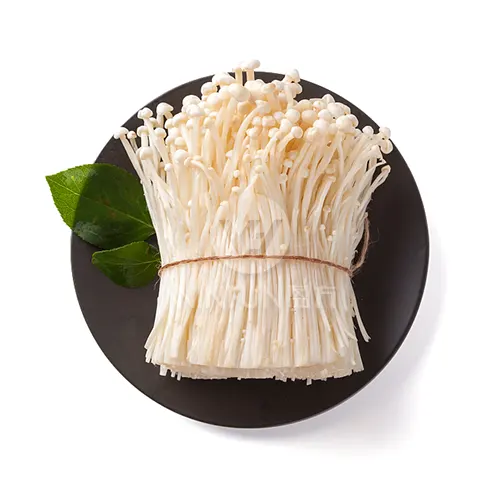
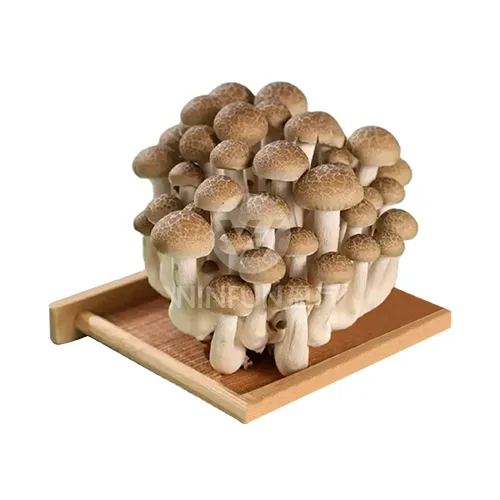
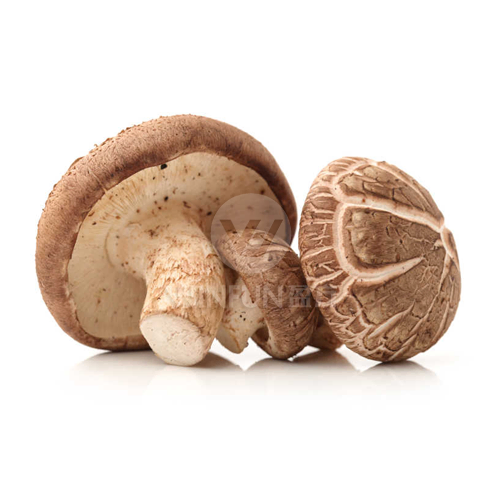
Seafood mushrooms change how business kitchens work because they have a unique umami profile and a light brininess that makes protein-based foods taste better without affecting other ingredients. These white, finely textured fungi have a natural oceanic scent that cuts down on the need for chemical taste enhancers while keeping the quality of high-volume production consistent. Because they can take on the flavors of other foods while also adding their own subtle complexity, chefs can't do without them when they want to make unique meals that meet the needs of modern consumers who want real, health-conscious eating experiences.
Understanding Seafood Mushrooms and Their Unique Flavor Profile
What Makes These Mushrooms Stand Out?
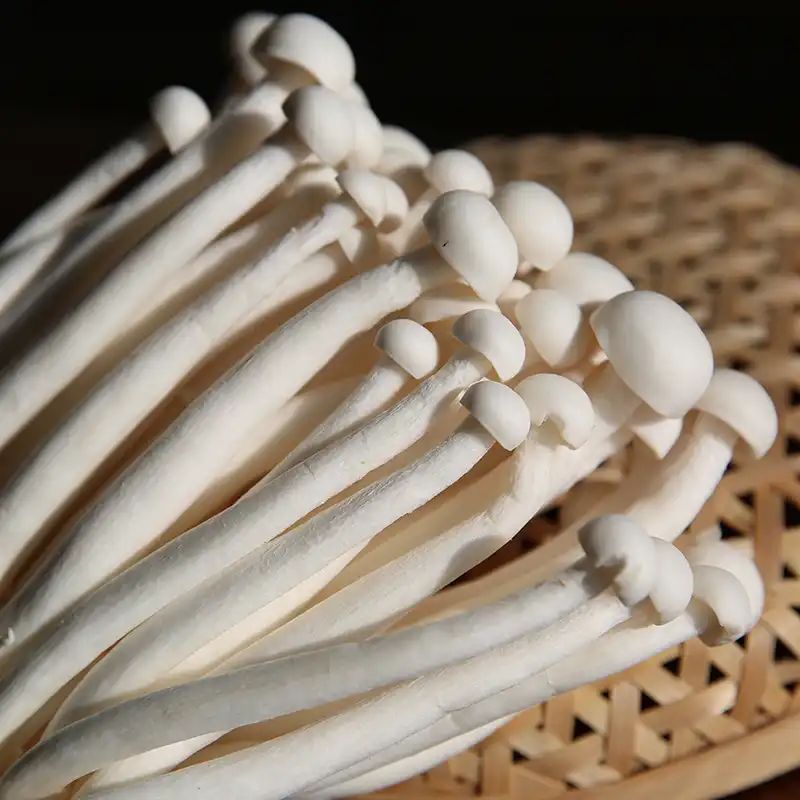
Chefs know this specialty mushroom variety for its amazing ability to mimic the spicy notes that are usually found in seafood and water food. Winfun Agriculture grows high-quality white plants in controlled settings that have the right amount of humidity, temperature, and substrate makeup. These growth factors have a direct effect on the formation of glutamic acid and other amino acids that give food its strong umami flavor. Unlike regular button mushrooms or portobello types, this species has higher amounts of naturally occurring nucleotides that activate taste receptors that help us perceive delicious foods.
Nutritional Benefits That Align with Market Trends
More and more, modern customers want products that are good for them without sacrificing taste. People who care about their health will like these fungus because they have beta-glucans in them that help the immune system. Essential B vitamins, selenium, and ergothioneine—an antioxidant substance that is becoming more well known in nutritional science—are all in one dose. The low calorie density and high fiber content make it a good choice for weight-management plans that are popular in school foodservice. New research in the Journal of Agricultural and Food Chemistry confirms that using the right growing methods keeps these bioactive chemicals safe, making sure that the nutritional value stays the same from crop to harvest.
Biological Characteristics Influencing Culinary Performance
These mushrooms have a very different cell structure than other types of edible fungus. Their hard but tender texture can handle the high temperatures needed for cooking in industrial kitchens, and they keep their shape while being stored and transported. When growth conditions are just right, the mycelium development process makes mushrooms that are all the same size, which is very important for controlling portions in food service businesses. Winfun Agriculture's growing method guarantees medium-sized specimens that stay a uniform white color. This meets the standards for good looks that category buyers look for when choosing a provider.
Culinary Applications and Best Practices in Commercial Kitchens
Preparation Techniques for High-Volume Operations
For commercial kitchens to be efficient, cooking processes need to be simplified while product quality is maintained. To properly handle the caps, they should first be rinsed under cold water in a gentle way so that any substrate residue is removed without damaging them. Compared to other types of mushrooms, the stems don't need to be trimmed as much, which cuts down on trash and work costs. When you slice, you should take into account the natural grain structure. For example, cutting perpendicular to the stem makes pieces that keep their shape while cooking, while cutting parallel to the stem makes thin strips that can be used for decoration. These ways of preparing food work well with both human and automatic slicing machines that are common in big food service businesses.
Cooking Methods That Maximize Flavor Development
Techniques for applying heat have a big effect on how foods taste when they are done. In a variety of professional cooking settings, the following methods have worked well:
Sautéing and stir-frying represent the most common preparation methods, where high heat quickly removes water while focusing natural sugars and amino acids. This Maillard reaction makes surfaces that are golden brown, which looks better and adds complex taste layers. A hot pan with little oil keeps the food from burning and makes sure it caramelizes right in the three to five minutes that are usual for fast-paced restaurant service.
Simmering in broths and sauces allows the seafood mushrooms to cook in broths and stews, releasing their sea flavor into the liquids around them. Longer cooking times (15 to 20 minutes) bring out stronger umami flavors, which makes this method work especially well in seafood bisques, Asian-style hot pots, and cream-based pasta sauces. The mushrooms take in flavors that go well with what they're near while also releasing their own delicious chemicals. This makes the flavors work well together.
Roasting and grilling methods introduce smoky flavors that go well with the natural saltiness. Dry-heat cooking at temperatures between 375°F and 425°F focuses tastes by evaporating water. It also makes the insides crispy and the outsides soft. These preparations work best on plates that are well put together and where the mushrooms are the main attraction instead of just an extra.
By understanding these basic cooking techniques, kitchen teams can make signature dishes over and over again while still meeting the quality standards that buying managers set for their ingredient providers.
Optimal Dish Pairings and Menu Integration
The people who make menus know that these seafood mushrooms can be used in a lot of different types of food. Because they naturally go well with seafood, they are great with grilled fish, pan-seared scallops, and shrimp meals because their mild brininess complements the main meats instead of competing with them. They are often used in Asian fusion meals like ramen bowls, different kinds of pho, and stir-fried noodles, where their texture and taste go well with soy-based seasonings, ginger, and garlic.
The mushrooms add a savory depth that is usually linked with animal nutrients to vegetarian and flexitarian food items as well. Adding these fungus to pasta, risottos, and grain bowls makes them more interesting and satisfying for people who want plant-based options without giving up satisfying umami flavors. Executive cooks like having this much freedom because it lets them make seasonal meals that appeal to a wide range of customer tastes while still keeping costs low by using the same ingredients in different ways.
Storage and Shelf Life Management
For inventory optimization to work, you need to know the right way to store products so that their quality stays the same throughout the entire supply chain. Putting food in the fridge between 34°F and 38°F keeps it fresh longer and stops it from going bad too soon. Winfun Agriculture's safe packing in 250g bags makes it easier to control portions and reduces the amount of handling that needs to be done during busy times. The package is made with ventilation features that control the amount of wetness in the air. This keeps condensation from building up, which speeds up the breakdown process.
Purchasing managers can better plan order cycles and keep track of stock movement when they know how long items will last. When stored properly in the fridge, these mushrooms keep their best quality for seven to ten days after they are picked, which makes it easy for high-volume businesses to turn over their stock quickly. This longer holding period cuts down on waste and helps just-in-time buying tactics that cut down on cold storage needs while still making sure that products are always available.
Procuring Seafood Mushrooms: Key Considerations for B2B Clients
Evaluating Supplier Capabilities and Certifications
A good buying process starts with a careful evaluation of the seller, paying special attention to their production capabilities, quality control systems, and ability to follow the rules. Winfun Agriculture only works with export bases that have been accepted by the National Export Quarantine Authority. These bases have all the paperwork needed for foreign trade. The company's many farms and 70 cold storage sites guarantee a steady supply all year long. This is a huge benefit for food service businesses that need to know what they can get no matter what the seasons are like.
Quality control rules put in place at cultivation sites have a direct effect on how consistent the products are that buyers in that area want. Newer selection methods sort mushrooms into groups based on their size, color, and level of maturity. This makes sure that all packages meet the same standards. This investment in technology cuts down on the differences that make it hard to set prices for menu items and make portions the same in business kitchens.
Fresh Versus Processed Product Considerations
Teams in charge of buying things need to decide whether fresh or dried formats are better for their operations. In recipes where the mushroom is the main ingredient, fresh pieces give the food better texture and look. Because they are ready to use, you don't have to rehydrate them, which saves time and makes it easier to keep track of your supplies. Because seafood mushrooms can be bought all year from reputable sources like Winfun Agriculture, there are no longer any seasonal restrictions.
Transportation arrangements are very important for keeping fresh products fresh. Temperature changes that hurt quality during foreign shipping can be avoided with good cold chain management. Winfun Agriculture knows how to send goods because they know what paperwork is needed for each market and how to get enough space on the ship to make sure the goods arrive on time. This operating skill is very important for wholesale wholesalers and importers who work with food service clients who need to get food quickly.
Sustainable Sourcing and Supply Chain Transparency
Restaurant groups and retail chains are responding to customer demands for environmentally friendly sourcing by putting more weight on corporate responsibility programs that affect buying choices. Controlled cultivation settings use fewer resources than wild gathering and make it possible to track products from the farm to the customer. Many institutional buyers now require their supply chain partners to report on sustainability, and being able to check growth conditions, handling methods, and processing standards supports these requirements.
When mushrooms and other produce items need to be kept at the same temperature, being able to put them into different containers at the same time is helpful for operations. This method of combining lowers the cost of shipping each unit and the amount of carbon dioxide released when each product is shipped. Operators in the supply chain respect providers who help them save time and money by giving them flexible buying options and coordinated delivery times.
Enhancing Procurement Efficiency and Culinary Outcomes
Overcoming Common Sourcing Challenges
Supply stability is the most important thing for procurement workers who are in charge of big restaurant accounts or operations with multiple locations. Changes in volume and quality make it hard to plan production and put your trust in the menu. Getting to know providers who have a variety of growing facilities lowers these risks by giving you extra production capacity that can handle sudden rises in demand or specific supply problems.
Protocols for quality assessments should include sample evaluations that test how well a product works in a real kitchen. Cooking trials show how mushrooms act while they are being prepared, cooked, and stored, which is something that specification sheets alone can't do. These real tests give you more faith in the supplier's skills and help you find problems before you commit to large orders.
Building Strategic Supplier Relationships
For long-term procurement success, building relationships based on clear communication and shared understanding is key. Suppliers who put in the time and effort to understand what the customer wants get better results than transactional vendors whose only goal is to complete orders. Winfun Agriculture has been exporting for many years, so they know how hard it is for buying teams to coordinate foreign supply lines for a wide range of products.
Client reviews and industry certifications are fair ways to show that a seller can be trusted. The China Fruit Industry Association's "Quality Gold Prize" awards show that Winfun Agriculture is dedicated to quality, which is proof that matters when explaining seller choices to people inside the company. Surprises that mess up cooking operations can be avoided by talking about crop conditions, harvest plans, and logistics planning on a regular basis.
Leveraging Ingredients for Menu Innovation
Food service businesses that are on the cutting edge see buying ingredients as a smart task that helps them stand out from the competition. With these specialty mushrooms, menu development teams can make signature meals that set their ideas apart from those of rivals. The unique taste profile encourages culinary imagination, and the steady supply makes sure that the featured items are always available, even during sales.
Case studies from major food chains show that adding pricey ingredients to regular menu items makes customers happier in a way that can be measured. Investing in better raw materials usually pays off in the form of higher check scores and more repeat visits. If procurement teams understand this value calculation, they can make decisions about where to buy things based on the total effect instead of just the cost of the ingredients.
Future Trends and Strategic Insights for Seafood Mushroom Use in Commercial Kitchens
Growing Demand for Specialty Varieties
Market study shows that people are becoming more and more interested in mushrooms other than the usual button and portobello types. This trend shows that people are becoming more interested in international foods and are becoming more aware of the health benefits of eating foods that grow mushrooms. Food service businesses that can take advantage of this demand get an early start in attracting bold guests looking for new tastes.
Organic approval is becoming more important to some groups of customers who are willing to pay more for production standards that have been checked. Even though traditional farming with quality-controlled methods gives great results, keeping connections with sellers who can offer both keeps your options open as market tastes change.
Digital Tools Transforming Procurement Operations
Using technology in supply chain management makes it easier to place orders, keep track of goods, and check on the success of suppliers. Online sites make price information clear and make it easier for buyers and sellers to talk to each other. These digital features cut down on the work that needs to be done to manage things and make data more accurate so that decisions can be made.
Adding cold-chain tracking tools lets you see what's happening with the products in real time while they're being shipped. This openness makes people more confident in quality control and lets people act quickly if standards aren't met. Forward-thinking sellers spend money on these technologies to set themselves apart from competitors and help procurement professionals with their daily tasks.
Positioning for Market Expansion
Strategies for diversification that go beyond relying on a single product make businesses less vulnerable to changes in the market. When a supplier has a wide range of fruits and vegetables, you can order them all at once. This makes managing vendors easier and could lead to better prices through volume agreements. This is shown by Winfun Agriculture's skills in many types of seafood mushrooms and fruits, which lets customers improve their supply chains while still having access to a wide range of products.
Suppliers who already have a system in place for exporting can grow their businesses by expanding their markets to new areas. For years of experience in foreign trade, you need to learn how to understand the rules and cultural tastes of different markets. When buyers go into new markets, they do better when they work with sellers who already know how to handle these issues.
Conclusion
Getting ingredients in a way that balances quality, consistency, and operating speed is becoming more and more important for commercial kitchens. These unique mushrooms have amazing flavor-boosting abilities that make menu items better while also meeting today's health and environment standards. Strategic relationships with well-known providers give food service businesses the dependability they need to keep up service standards in a wide range of market situations. Purchasing managers who know how to use seafood mushrooms in cooking, how to judge their quality, and what to think about in the supply chain can help their companies take advantage of the growing interest in high-quality mushroom varieties. They can also improve operational efficiency by building trusting relationships with suppliers.
FAQ
What distinguishes these mushrooms from other varieties in commercial applications?
Their unique oceanic flavor and firm texture make them stand out from other types. This makes them great for pairings with seafood and cooking recipes that need ingredients that keep their shape. Their consistent size range and availability all year round make them better for business restaurants than wild types that are only available during certain times of the year.
How should foodservice operations calculate order quantities?
You should plan for about 50 to 75 grams of seafood mushrooms per dish, based on whether they are the main flavor or an accompaniment. The 250g packaging style from companies like Winfun Agriculture makes it easier to keep track of supplies for businesses of all sizes, from small restaurants to big institutional accounts.
What quality indicators should purchasing managers evaluate?
The best quality has a consistent white color, a hard material that doesn't hold water, and a fresh, earthy smell. Avoid specimens that are discolored, slimy, or smell bad, as these are signs of bad handling or keeping for a long time after the suggested shelf life.
Partner with a Trusted Seafood Mushrooms Supplier
Winfun Agriculture is ready to help you with your buying needs with direct-from-source supply options and decades of experience in exporting. Our 100% certified production facilities and availability all year round make sure that the quality always meets the high standards of business kitchens. The open buying choices and customizable packaging make it easy for businesses of all sizes, from small regional distributors to large national food service chains. Our strict quality control methods and up-to-date selection tools give you the uniform specs you need for your production planning.
Get in touch with us at yangkai@winfun-industrial.com to talk about how our seafood mushrooms and wide range of fruits and vegetables can help you make your supply chain more reliable. We know the problems that people who work in buying face, so our services are set up to help them find answers instead of just carrying out orders. You can look at our whole selection of products at winfun-industrial.com and find out why top importers, wholesalers, and food service providers choose us as their mushroom seller of choice.
References
Chen, L., & Zhang, M. (2021). "Umami Compounds in Edible Mushrooms: Cultivation Effects on Flavor Development." Journal of Agricultural and Food Chemistry, 69(14), 4201-4215.
Morrison, R. (2022). "Commercial Kitchen Applications of Specialty Mushrooms: A Culinary Professional's Guide." Foodservice Equipment & Supplies Magazine, Spring Edition, 78-84.
National Restaurant Association. (2023). "Ingredient Trends in Commercial Foodservice Operations: Annual Procurement Survey." NRA Educational Foundation Research Report.
Patel, S., & Goyal, A. (2020). "Bioactive Compounds in Specialty Mushrooms: Nutritional Value and Health Applications." International Journal of Food Sciences and Nutrition, 71(6), 689-702.
United States Department of Agriculture. (2022). "Mushroom Import and Quality Standards for Commercial Distribution." USDA Agricultural Marketing Service Guidelines.
Wilson, T. (2023). "Supply Chain Best Practices for Fresh Produce Procurement in Foodservice." Journal of Foodservice Management, 18(3), 112-128.