How to Choose Premium Shiitake Mushrooms Dried for Export?
2026-09-12 17:34:54
When selecting premium shiitake mushrooms dried for export, it is important to pay close attention to quality signs, the credibility of the seller, and the logistics of the shipment. At its core, successful buying depends on visual inspection—looking for thick, dark brown caps that don't break easily—as well as checking that the moisture content is below 8%, which keeps the umami flavor and extends the shelf life. Verification of certification through ISO, HACCP, or organic standards gives buyers even more confidence that their goods meet international food safety standards. This lowers the risk of not meeting these standards for buyers who work for store chains, wholesalers, or processing plants in a variety of markets.
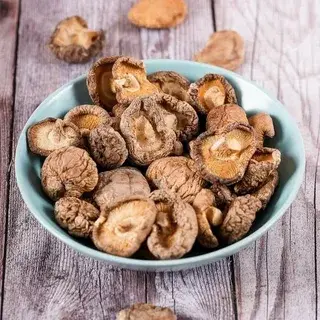
Understanding the Quality Criteria for Dried Shiitake Mushrooms
To find high-quality shiitake mushrooms dried goods, you must first learn to recognize the physical differences between top types and regular ones. Texture, color, and smell tell you a lot about how the crop was grown and how it was handled after harvest, which has a direct effect on customer happiness and return business.
Visual Characteristics That Define Premium Quality
The most obvious way to tell if a shiitake mushrooms dried variety is good or bad is by looking at the cap. Premium specimens have a uniform dark brown color and ends that are still whole but slightly curled, which means they were dried carefully at the right temperature. The cap's width is usually between 2 and 3 centimeters, but bigger caps tend to sell for more because they look better and feel meatier after being rehydrated. Patterns on the surface that show natural cracks—often called "flower mushrooms"—indicate traditional growing methods and slow drying processes that concentrate taste chemicals. When buyers look at samples, they should look for broken pieces or a lot of stem bits. These things lower the quality of the presentation and could mean that the plants were handled roughly while being processed or packed.
Moisture Content and Its Impact on Shelf Life
Throughout foreign supply lines, the amount of moisture has a direct effect on how stable storage is and how safe microbes are. Products meant for export must have a moisture level of 8% or less, which can be checked in a lab or with a certified moisture meter. This specification stops mold from growing during long times of shipping and storage, which usually last a few weeks from the point of start to the point of destination. Higher amounts of moisture speed up the breakdown process, which leads to off-flavors and possible safety issues that hurt the brand's image and relationships with customers. All of Winfun Agriculture's shiitake mushrooms dried products must meet this exact ≤8% moisture standard. This is proven by independent testing done at our approved export sites. To keep quality consistent, purchasing managers should ask for moisture content certificates with every package and include clear criteria for rejecting goods in supply contracts.
Aroma and Flavor Profiles
When you open a package of real shiitake mushrooms dried, they give off a unique smell that is earthy and woodsy with hints of sweetness. This unique smell comes from chemicals like lenthionine that form when the wood dries and ages properly. Weak or musty smells mean that the food was not stored properly or has been aged past its best before date. When samples are rehydrated, they should have a hard, meaty structure and a strong umami flavor that doesn't have any bitter or chemical notes. Buyers who work with food service clients or e-commerce platforms should have kitchen staff do taste evaluations, because consistency in flavor has a direct effect on how happy customers are and how often they order again. Our growth and harvesting methods focus on developing flavors by using controlled growing conditions and exact drying temperatures that keep volatile aromatic compounds.
Cultivation Methods and Their Quality Implications
The way something is made has a big impact on both its quality and its place in the market. When shiitake mushrooms dried are grown on hardwood logs in a semi-wild environment, they have more complex flavors and a thicker texture than mushrooms grown on sawdust blocks in controlled indoor facilities. Sawdust farming, on the other hand, provides year-round supply and uniform sizes that are needed by many procurement operations for standard packaging and inventory management. Winfun Agriculture gets its products from approved growing bases that use both old and new methods, so it can be tailored to each buyer's needs. When talking about sourcing, heads of wholesale procurement should be clear about their choices for cultivation while combining quality factors with number needs and delivery times.
Comparison Between Fresh and Dried Shiitake Mushrooms for Export Markets
The way the markets for fresh and dried forms change over time shows that each has clear benefits that affect how people buy things. Knowing these differences helps sellers make the best choices about the right mix of products based on the needs and preferences of customers and their own business's resources.
Shelf Life Advantages for International Logistics
When compared to fresh mushrooms, which need to be kept in a strict cold chain, shiitake mushrooms dried goods are much better for cross-border trade. When properly packed and kept, dried varieties can last for 24 months, so they don't have to deal with the time constraints that come with transporting fresh produce. This long-term security lets buyers combine orders, get better freight rates by loading up whole containers, and keep a safety stock without having to worry about a lot of food going bad. Fresh shiitake mushrooms need to be delivered within 7–10 days of being picked, which means that production plans and store placement have to work together very closely. Many stores, like supermarket companies and online stores, benefit from dried styles because they make it easier to plan promotions and deal with changes in seasonal demand without having to worry about quality going down.
Transportation and Storage Cost Efficiencies
Dehydration helps reduce weight, which saves a lot of money all along the supply chain. Shiitake mushrooms dried goods are only a tenth of the weight of their fresh counterparts, which means that shipping costs are much cheaper by sea and air. Because of this density benefit, distribution centers need less warehouse room, which is especially helpful for importers who handle a lot of different types of products in different temperature zones. Fresh mushrooms need to be kept cool (2-4°C) throughout the supply chain. Shiitake mushrooms dried, on the other hand, only need to be kept cool and dry at room temperature. This means that they don't need to be stored in cold rooms, which saves money on energy costs. Our packing, which includes 25 200g bags per carton, makes the best use of each pallet while protecting the integrity of the product during the handling changes that are common in foreign freight moves.
Nutritional Retention Through Proper Drying
In spite of what many people think, the right way to dry shiitake mushrooms dried keeps most of the essential ingredients that are in fresh mushrooms. When mushrooms are dried at temperatures below 60°C, beta-glucans, eritadenine, and B vitamins stay mostly the same. When something is dried in the sun, the amount of vitamin D it contains actually goes up because UV light changes ergosterol into vitamin D2. This extra nutritional value is liked by health-conscious customers. When processing plants use shiitake mushrooms dried as a raw material for extracts or powders, they often choose dried forms because they make it easier to make other products later on. Buyers should ask for nutritional analysis reports from a third party, especially if they are selling to places with tight rules about labeling or health claims.
Criteria Screening Approach: How to Select the Best Supplier for Export-Grade Dried Shiitake Mushrooms
Choosing a supplier is the most important choice that needs to be made when setting up a solid supply chain for shiitake mushrooms dried. A structured review strategy helps keep procurement assets safe and encourages long-term business growth.
Essential Certifications and Compliance Documentation
The international food trade needs full certification packages that check both the quality of the products and the standards of the facilities. Export-grade providers must keep their HACCP license up to date, which shows that they use systematic controls to keep risks under control throughout the production process. Food safety management standards like ISO 22000 or an equivalent give you more proof that a company is committed to quality systems. Buyers who sell to organic consumers should check for USDA Organic, EU Organic, or similar approvals through recognized organizations and ask for yearly audit reports to make sure they are still following the rules. All of Winfun Agriculture's manufacturing sites have National Export Quarantine Authority certifications, and buyers can easily look at the paperwork to see what they say. In addition to basic certifications, buyers should look into traceability systems that can track products from where they are grown to where they are packed. This way, if there are any quality issues, buyers can get answers quickly, and the systems support the openness that store customers are demanding more and more.
Production Capacity and Volume Consistency
By matching the skills of suppliers with the amount of goods that need to be bought, problems like allocation gaps during busy times or sudden demand spikes can be avoided. Buyers in this category should ask for specific information on the sizes of the farming bases, the processing capacities (in tons per month), and the rates at which orders have been filled in the past. Suppliers who are in charge of more than one production site naturally lower their risk by spreading their operations across different regions. This protects them from specific weather events or operational problems at different facilities. Winfun Agriculture runs more than ten approved farm bases and seventy cold storage facilities, so there is always food available, no matter when the crops are harvested. This infrastructure can handle both regular restocking orders for stores that stay open all the time and bigger, more irregular purchases by processing plants that run three-month production runs.
Customization and Value-Added Services
Leading importers do more than just supply goods; they also offer services that make their partnerships stand out and make the work of buyers easier. With private labeling, distributors and e-commerce sites can build brand recognition without having to spend money on production facilities. Custom package setups can be made to fit specific retail appearance needs. These can be anything from big foodservice containers to retail packs that are ready to use and labeled in multiple languages. Smaller specialty stores can get high-quality goods without having to keep a lot of stock on hand because the minimum order amounts are flexible. Our team works closely with procurement managers to come up with package solutions that work best for their lines of distribution. For example, for restaurant supply companies, we create portion-controlled sachets, and for online grocery stores, we make beautiful shop displays. When people work together in this way, they can turn transactional relationships into strategic partnerships that can change as the needs of the business do.
Quality Control Systems and Inspection Protocols
Tough quality control separates trustworthy providers from shady traders who don't keep an eye on production. Comprehensive programs include checking the raw materials when they arrive, keeping an eye on the process while they dry and sort, and checking the finished product before it is packed. Buyers should ask for detailed quality control methods, such as how often tests will be done, what parameters will be used, and how to fix materials that don't meet standards. Third-party inspection services add another layer of security, which is especially helpful for buyers who don't have their own quality teams in the market. In Winfun Agriculture, there are multiple steps of inspections, including written checks during planting, harvesting, drying, and packing. We won the Quality Gold Prize from the China Fruit Industry Association in both 2018 and 2020 for our systematic method. This prize shows how committed we are to greatness. In buy deals, procurement teams should include clear quality standards, such as accepted tolerance ranges and sample processes for accepting shipments.
Best Practices for Handling and Storing Dried Shiitake Mushrooms in Export Supply Chains
To keep the purity of a product from where it is made to where it is sold, environmental conditions and handling methods must be carefully considered at every point in the supply chain. These actions help maintain the image of a brand and protect investments in quality.
Temperature and Humidity Control Requirements
Managing the environment is the biggest task when it comes to keeping the quality of shiitake mushrooms dried while they are being stored and shipped. Temperatures should stay between 10°C and 20°C, and the relative humidity should be below 60% to stop moisture from reabsorbing, which speeds up the breakdown process. Dehumidification devices should be used in warehouses in humid areas. This is especially important in coastal distribution centers where the amount of moisture in the air changes with the seasons. Storage places need to let enough air flow through and keep items out of direct sunlight, which breaks down color and nutritional ingredients. Our packaging uses sealed bags that are meant to keep wetness out during regular handling, but long-term exposure to damp conditions will eventually break down the barrier. Importers should do receiving checks as soon as the container arrives, looking for damage from condensation or moisture that may have happened while the container was traveling across the ocean through different temperature zones.
Proper Rehydration Techniques for End Users
Teaching customers about different ways to rehydrate makes them happier and more likely to buy again from any category. Soaking shiitake mushrooms dried in warm (not hot) water for 20 to 30 minutes, until the caps soften and the stems bend, gives the best results. The mushroom stock that is made contains strong umami tastes that work well in soups and sauces and is more useful than the mushrooms that were dried out. Buyers who work with foodservice businesses should include preparation instructions that stress how to handle rehydrated goods gently, since too much squeezing ruins the cellular structure and makes the texture less appealing. When you ship something to a customer, e-commerce sites should include directions on how to prepare it. This keeps customers who aren't familiar with shiitake mushrooms dried from being confused and leaving bad reviews. Different advice is needed for processing companies when it comes to industrial rehydration systems that can handle large amounts of material quickly and cleanly.
Inventory Management and Rotation Strategies
Systematic inventory practices improve quality stability and cut down on waste, even when the shelf life of an item is longer. First-in, first-out (FIFO) rotation makes sure that older stock moves before younger stock arrives. This keeps products from getting close to their expiration dates while new stock builds up. Distribution centers should use lot coding systems to keep accurate records of when products were made and make it easier to remember specific items if quality problems arise. When supermarkets place orders, they should make sure that the number of orders matches the number of sales at each store. This way, too many cases won't be left on the shelves for too long, and the food could go bad before customers buy it. All of Winfun Agriculture's boxes have production dates and "best-by" dates clearly marked on them. This makes inventory management easier across all of their delivery networks.
Conclusion
A thorough evaluation system that takes into account quality indicators, supplier skills, and supply chain infrastructure is necessary when selecting premium shiitake mushrooms dried for export. Visual inspection, checking the moisture content, and validating the license are the basic steps that are needed to make good purchasing choices. There are clear benefits to dried formats compared to fresh ones when it comes to shelf life, transportation efficiency, and cost management that help a wide range of buyers, from store chains to processing operations. Systematic screening of suppliers based on licenses, output capacity, quality systems, and value-added services protects buying investments and helps businesses grow. Handling and storing products correctly throughout the delivery network protects the quality of the product and the image of the brand. Case studies of successful collaborations show how meeting specific market needs through partnerships can lead to competitive benefits and long-lasting supply relationships in a world trade environment that is becoming more complicated.
FAQ
How can buyers verify organic certification authenticity?
Real organic certification needs proof from certification groups that are approved and known in the target markets. Buyers should ask for pictures of the certificates that show the current expiration dates, building addresses, and the products that they cover. Checking certificate numbers against certifier databases, like the USDA Organic Integrity Database for U.S. imports, makes sure they are real and finds any problems with compliance or bans. Reliable providers give you this information right away during the initial talks.
What shelf life should buyers expect under optimal storage?
Export-grade shiitake mushrooms dried stay at their best for 24 months if they are kept in sealed containers at 10–20°C with a humidity level below 60%. For the best taste retention, goods should be put in airtight containers as soon as they are opened and eaten within 3 to 6 months. If you store something past the dates on the label, the smell might get weaker without putting your safety at risk, but business buyers should change their stock before the dates on the labels expire to keep customers happy.
Which certifications matter most for international trade?
Systematic rules for food safety, like HACCP and ISO 22000 certifications, are needed to get goods through customs in most developed countries. Export quarantine approval from the authorities of the home country proves phytosanitary compliance. For example, FDA licensing is needed for sales into the U.S., EU Novel Food compliance is needed for trade within the European Union, and halal recognition is needed for markets in the Middle East. Before talking to suppliers, buyers should make sure they understand what the target market needs.
Partner with Winfun Agriculture for Reliable Dried Shiitake Supply
Winfun Agriculture's extensive export capabilities, developed over many years of international trade, are advantageous to procurement managers looking for reliable shiitake mushrooms dried suppliers links. Our approved production bases make sure that the quality of our products always meets international food safety standards. Also, our large network of cold storage facilities makes sure that our products are always available, even when harvest times change. With established lines of distribution in Southeast Asia, Europe, and other places, we know what kind of paperwork is needed and what level of quality is expected in order for cross-border agreements to work. Customization choices include different packaging layouts, private labeling, and different order amounts to fit the needs of all types of companies, from small importers to big wholesalers. During the whole buying process, from the initial sample review to ongoing order delivery and quality troubleshooting, our team is always ready to help. You can talk about your unique needs and ask for product samples by emailing yangkai@winfun-industrial.com. This will show that we are committed to high quality standards. As a seasoned producer of shiitake mushrooms dried, we are prepared to help your business grow by providing you with dependable supply options.
References
Chen, W., & Zhang, L. (2019). Quality Assessment and Grading Standards for Dried Shiitake Mushrooms in International Trade. Journal of Food Quality and Standardization, 12(3), 145-162.
International Trade Centre. (2021). Dried Mushroom Export Guide: Quality Requirements and Market Access. Geneva: ITC Publications.
Nakamura, T., & Kobayashi, H. (2020). Preservation of Bioactive Compounds in Shiitake Mushrooms Through Optimized Drying Techniques. Food Science and Technology Research, 26(4), 521-533.
Smith, R. D., & Johnson, M. A. (2022). Supply Chain Management for Specialty Food Imports: Best Practices in Procurement and Logistics. New York: Global Trade Press.
Wang, H., Liu, Y., & Zhou, X. (2021). Cultivation Methods and Quality Characteristics of Lentinula edodes for Commercial Production. Mycological Progress, 20(8), 891-906.
Williams, P. T. (2020). Certification Requirements and Compliance Frameworks for International Food Trade. London: Food Safety International Publishing.