How Eryngii Mushroom Adds Value to Plant-Based Foods?
2026-09-15 15:55:33
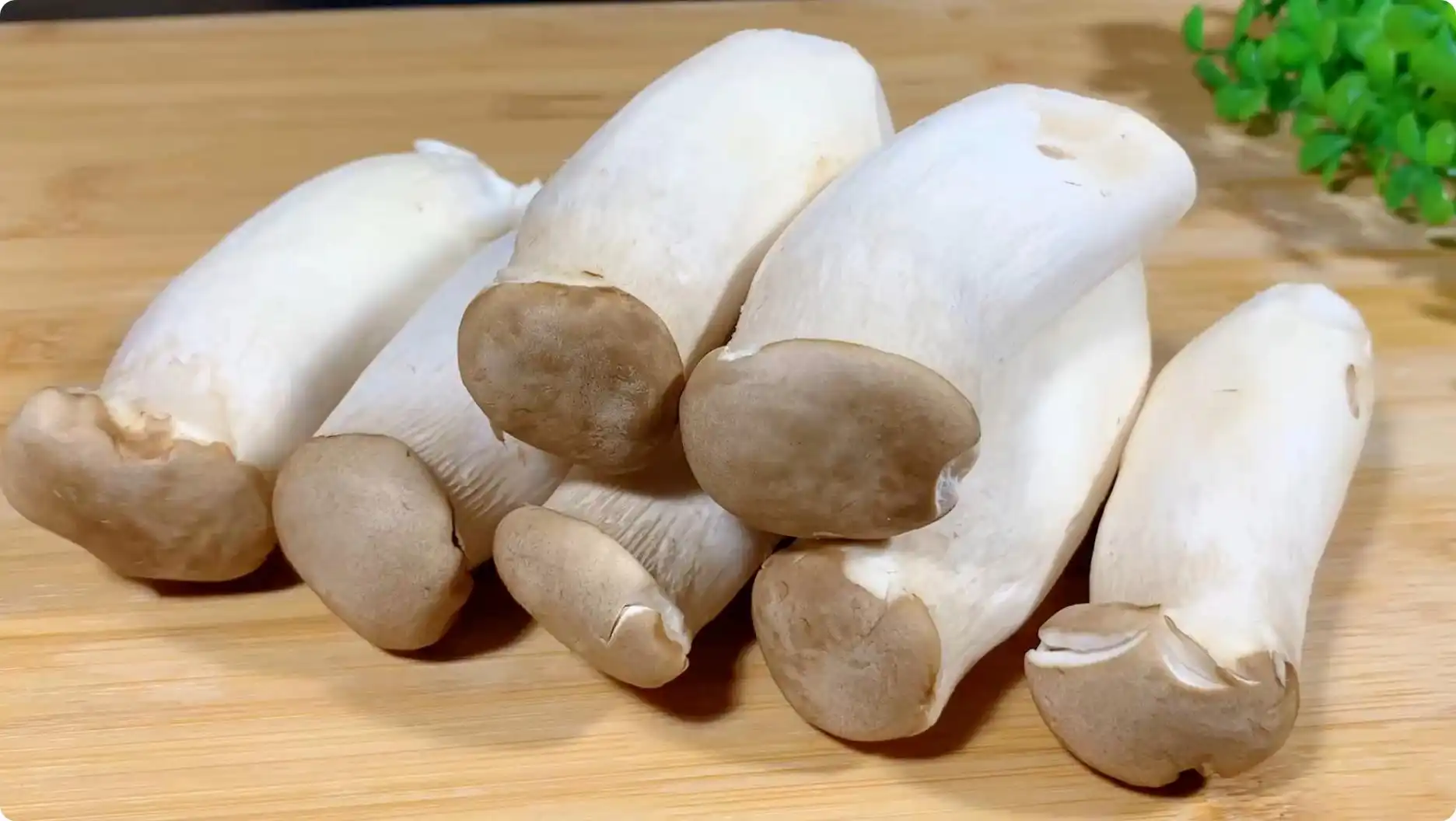
The eryngii mushroom, also known as the king trumpet or king oyster mushroom, adds a lot of value to plant-based foods because it has a hard, meaty feel and a unique umami profile that makes it taste a lot like traditional protein sources. Unlike most mushrooms, this species has a thick white stem and a delicate cap that stay amazingly steady during processing. This makes it an important ingredient for companies making meat alternatives, ready-to-eat meals, and new veggie products. When purchasing ingredients for plant-based portfolios, procurement teams find that king trumpet mushrooms solve several formulation problems at once. They provide the right amount of texture, moisture retention, and the mouthfeel that consumers want, all while supporting clean label initiatives and sustainability commitments that appeal to today's health-conscious market.
Understanding Eryngii Mushrooms and Their Unique Value
Botanical Background and Cultivation Advantages
Pleurotus eryngii has been grown successfully on three continents, with production sites now set up in Asia, Europe, and, more and more, North America. This mushroom does best in controlled settings where the temperature stays within certain ranges. This keeps the quality constant, so commercial buyers can get it all year. The species is naturally resilient during growth stages, so it doesn't need much help while still producing large amounts of food that are good for the economy of the supply chain.
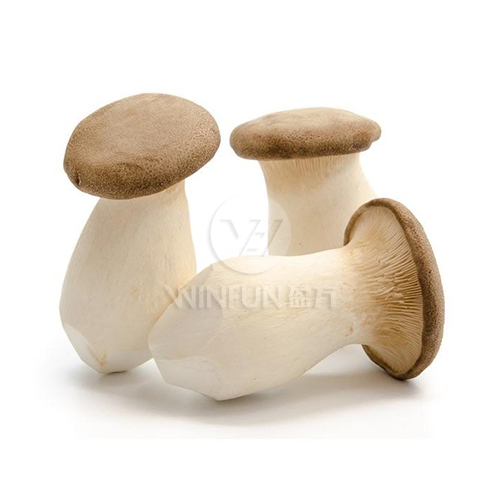
Winfun Agriculture runs approved export bases that take advantage of these growing benefits to make white to creamy-white specimens that are 10–15 cm long and have caps that are 5–7 cm in diameter. We strictly follow strict monitoring rules during the growing process, keeping an eye on temperature, humidity, and light exposure during each stage to make sure the quality is consistent and meets international standards.
Nutritional Profile Supporting Health Claims
Because of their nutritional value, king oyster mushrooms are a good choice for developing plant-based products. These fungi have a lot of protein, important minerals like potassium and phosphorus, and B-complex vitamins like riboflavin and niacin. The fiber content includes both soluble and insoluble types, which supports claims about gut health that appeal to people who care about their health. These mushrooms have a moisture level that is usually between 74 and 84%, which makes them good for product formulations that need to keep wetness without having too much water activity.
Culinary Versatility Across Applications
King trumpet mushrooms are different from button or shiitake mushrooms because they are culinary stiffness, which means they can handle different cooking ways without losing their shape. The hard stem that cuts nicely for presentation and the velvety, pale gray-brown cap that holds sauces well are all edible and tasty parts of the mushroom. The mild nutty flavors that don't overpower other ingredients are liked by chefs and product creators. This makes it easy to use in a variety of dishes, from Asian stir-fries to Mediterranean dishes.
Why Eryngii Mushroom Is a Strategic Ingredient for Plant-Based Product Innovation
Texture Enhancement for Meat Alternatives
There are ongoing problems in the plant-based meat industry with making eryngii mushrooms products that have the same chewy, woody structure as traditional proteins. Because their cells are naturally thick, king trumpet mushrooms can get around these composition problems. When the stem is cut down the middle, it shows striations that look like muscle fibers, making it look and feel like pulled pork or chopped chicken. Because of this trait, food scientists can make products that don't need as much processing but still get the same level of customer acceptance as regular choices.
Processing plants that make veggie scallops or plant-based seafood really like how hard the food is and how well it keeps its shape through freezing, warming, and reheating. The mushroom keeps its bite even after being cooked in a factory, while many veggies become soft or need a lot of binding agents.
Umami Flavor Profile and Clean Label Benefits
Manufacturers are under pressure to simplify formulas while keeping taste appealing because customers want ingredients that are easy to recognize. King oyster mushrooms naturally have glutamates, which are what make umami, the savory fifth taste that gives foods depth and pleasure. This natural flavor trait makes it less necessary to use fake flavor enhancers or too much sodium, which supports the clean label placement.
When these mushrooms are added to plant-based burgers, sausages, or ready-made meals, the taste scores of customers are higher without having to list a lot of complicated ingredients. The slightly fatty flavor is a good middle ground between products that focus on vegetables and those that are aimed at flexitarians who want to try new flavors.
Functional Benefits for Product Stability
In addition to their taste, king trumpet mushrooms have useful traits that help products stay fresh and keep their quality. The water they give off while cooking acts as a natural dipping agent that keeps mixtures from getting dry. Their polysaccharide makeup helps with emulsification and binding, so they don't need as many gums or carbs. Food scientists who record texture analysis data find that formulations with these mushrooms are more stable when frozen and thawed than formulations with regular veggie proteins alone.
It's better for manufacturing when ingredients can do more than one thing. For example, eryngii mushrooms can add structure, taste, and wetness all at the same time, which streamlines production processes and lowers the cost of each ingredient.
Procurement Insights: Sourcing Eryngii Mushrooms for B2B Clients
Quality Standards and Certification Requirements
When purchasing mushrooms for food manufacturers, procurement managers have to look at more than just the mushrooms' looks to make sure they are of good quality. Reliable sellers keep certificates that show they follow food safety management systems, organic production standards (if needed), and ship permission from the right quarantine authorities. Third-party inspection reports that include numbers of microbes, heavy metals, and chemical residues are very important for making sure that the approval processes for ingredients are correct.
Winfun Agriculture has licenses from the National Export Quarantine Authority and can provide proof of review before shipping, meeting the quality assurance needs of buying teams. As part of the selection process, we sort the mushrooms to get rid of any that are broken. This makes sure that only the best mushrooms make it into the packaging streams that are going to commercial clients.
Sourcing Channels and Supply Chain Considerations
Direct relationships with growth facilities offer benefits in purchasing, such as clear prices, harvesting times that fit production needs, and being able to track back to specific growing environments. This method is different from spot-market buying, where quality isn't always consistent and supply problems make operations harder. Building connections with growers who run more than one facility lowers risk by spreading it out geographically and allowing for multiple harvests at different times.
Keeping the quality of the mushrooms while they're being shipped depends on cold chain operations. Throughout the delivery network, storage temperatures between 0°C and 4°C keep food fresh, keep its texture, and keep its caloric value. When purchasing professionals look at providers, they should check to see if they offer temperature-controlled storage, access to refrigerated transport, and handling methods that keep things in perfect condition for as long as possible. Our company runs more than seventy cold storage sites that allow for constant delivery all year long. This makes sure that products are always available, even when demand changes with the seasons.
Packaging Options Supporting Operational Efficiency
Industrial buyers need packaging that fits the way they handle materials and keep track of their stock. Standardized forms make the receiving process easier, and choices that can be changed to fit specific production needs. Fresh mushrooms can stay fresh for about two weeks longer if they are stored properly in ventilated packaging that lets them keep breathing.
Winfun sells their products in bulk in 200g bags, with 30 bags per box. This makes it easy to make recipes and cut down on waste. Our flexible packaging options meet the unique needs of each client, such as modified atmosphere packing, retail-ready forms, or private labeling arrangements.
Our knowledge of how to load mixed containers lets us combine shipments of mushrooms with shipments of other produce that needs to be kept at similar temperatures. This saves buyers money on freight costs and lowers their per-unit shipping costs when they need to get more than one ingredient.
Overcoming Challenges and Maximizing Returns in Using Eryngii Mushrooms
Recognizing Quality Issues and Storage Best Practices
When purchasing teams receive shipments of eryngii mushrooms, they should follow checking processes to find any possible quality problems before the ingredients are used in production. Fresh king trumpet mushrooms have strong stems that don't have any soft spots, caps that aren't discolored or slimy, and pleasant earthy smells. If examples show too much wetness, browning, or strange smells, it means that the storage temperature wasn't maintained properly or the product is breaking down due to age, which makes it less safe and less effective.
When you rotate your goods properly and follow the first-in, first-out rule, you can reduce loss from expired items. Storage places need to keep the temperature stable so that there are no changes that cause condensation, which speeds up the rotting process. Plastic storage cases that trap moisture should not be used to keep mushrooms fresh. Instead, paper-based or flexible materials work better for short-term storage before processing.
Demand Forecasting and Supply Chain Resilience
Market instability that affects sales of plant-based products makes it hard to buy enough supplies while also avoiding risks of going out of style. Collaborative predicting with suppliers improves accuracy and lets growers plan crops that meet expected demand while keeping extra supplies on hand in case the volume goes up more than expected. Price stability is good for planning margins and positioning yourself in the market thanks to long-term supply deals with volume guarantees.
Building relationships with providers and keeping a variety of growing sites makes the supply chain more resistant to disruptions caused by things like bad weather, broken equipment, or a lack of workers. Geographic diversity makes sure that there are other places to get supplies when the main sites can't work as planned. This keeps production going for manufacturing plans that need to be kept on time.
Sustainable Sourcing and Corporate Responsibility
Consumers' standards go beyond the features of a product and include things like social and environmental responsibility all the way through the supply chain. Mushroom farming produces significantly less carbon pollution than animal farming, which makes these products more environmentally friendly. Choosing suppliers who use water, energy, and trash in a responsible way improves corporate social responsibility stories, which are becoming more and more important to retail partners and end customers.
Ethical buying practices, such as fair labor standards, community involvement, and open business operations, protect a brand's image while building it. When purchasing teams do surveys of suppliers, they should look at more than just price and quality. They should also look at working conditions, pay methods, and environmental responsibility.
Future Opportunities: Expanding Uses of Eryngii Mushrooms in the Plant-Based Sector
Innovation in Protein Extraction Technologies
New food technologies are looking into ways to get concentrated protein parts from eryngii mushrooms material so that they can be added to powders, isolates, and textured products. These high-tech apps are made for sports nutrition, meal replacements, and enriched foods that need a lot of protein. Food technology companies and ingredient suppliers are working together to improve extraction methods that keep the useful qualities of the ingredients while getting protein amounts that are on par with well-known plant protein sources.
King oyster mushrooms are especially interesting because their cells are strong enough to handle the high levels of processing needed to separate proteins. When product makers get their hands on these concentrated ingredients, they can be used in more ways than just whole mushrooms. For example, they can be added to protein bars, drinking powders, and baked goods to make them taste better.
Functional Food and Nutraceutical Applications
More people are interested in functional food uses that focus on health benefits beyond basic nutrition as they learn more about the bioactive chemicals found in mushrooms. Researchers are interested in the immune system-boosting, antioxidant, and metabolic health benefits of king trumpet mushrooms because they contain carbohydrates, ergothioneine, and other chemicals. Dietary supplement companies that are looking into mushroom extracts are part of a growing market area that offers chances to place themselves as an elite product.
More and more, mushroom products are being used in functional drinks, probiotic foods, and wellness-focused snacks because they have a positive effect on health. As clinical research backs up certain health claims, regulatory approval routes may make it possible for clear therapeutic positioning that sets goods apart even more in competitive markets.
Market Growth Projections and Strategic Positioning
According to a study of the industry, plant-based food groups will continue to grow. This is because of changes in population, concern for the environment, and health trends that favor alternative proteins. As this trend continues, mushroom-based products gain market share because they are good for you, can be used in many ways, and are sustainable. When procurement teams build relationships with suppliers and learn more about applications, their companies are better prepared to take advantage of category growth.
Adoption rates vary by geography, with customers in North America and Europe being the most interested in new plant-based goods. Asian markets show strong traditional mushroom eating habits that are changing to more modern, convenient forms. Procurement professionals can target sourcing strategies that match market-specific possibilities by learning about regional tastes and regulatory settings.
Conclusion
King trumpet mushrooms and eryngii mushrooms are a smart investment for plant-based food companies that want to stand out from the competition by offering better taste, clean label recipes, and a focus on sustainability. These mushrooms are great for businesses that need to increase production to meet rising market demand because they are available all year, can be used in a variety of ways, and are reliable in the supply chain. To have a successful execution, you need to choose providers that can show consistent quality, follow food safety rules, and be operationally flexible to meet a wide range of application needs. Mushrooms are being used in more and more functional foods and protein extracts thanks to new technologies. Companies that adopt mushrooms early can lead the way in category development and build customer loyalty by making products that taste and feel authentically similar to traditional options.
FAQ
Why are king trumpet mushrooms great for making plant-based meat substitutes?
Because they are thick and fibrous, king oyster mushrooms naturally have a structure that looks and feels more like meat than most veggies. Their umami flavor profile means they don't need as many fake flavor boosters and can keep the clean labels that people like.
What are the best ways to store and move mushrooms so that they stay fresh during distribution?
Keeping temperatures between 0°C and 4°C throughout the cold chain stops moisture loss and the growth of microbes. Ventilated packaging lets food breathe and keeps condensation from forming, which speeds up spoiling. In ideal conditions, this extends the shelf life to about two weeks.
Where can teams in charge of buying things find approved large king trumpet mushrooms at a good price?
When you work directly with approved export makers, you can be sure of the quality of their goods and get better prices than on spot markets. Suppliers who run various cultivation sites and have established cold chain logistics make the supply chain stable, which is important for planning output and managing inventory.
Partner with a Trusted Eryngii Mushroom Supplier
Winfun Agriculture grows and exports high-quality king trumpet mushrooms to store chains, food service companies, e-commerce platforms, and processing plants around the world. Our approved export bases always make high-quality specimens that are available all year long. They come in 200g bags that are easy to carry, with 30 bags per box to meet your needs. Products meet international food safety standards thanks to strict quality control during farming, gathering, and packing. Third-party inspection reports are available before shipment to help your ingredient approval processes.
We are experts at more than just supplying one product. For example, we can load mixed containers with mushrooms and other produce that can be kept at the same temperature, which lowers your total transportation costs and inventory risks. We can promise reliable shipping schedules to help your production stay on track because we work directly with over seventy cold storage facilities and farms. You can email our sourcing experts at yangkai@winfun-industrial.com to talk about your specific number needs, personalized packing options, and reasonable pricing. We are a dedicated eryngii mushroom provider that wants you to succeed in the growing market for plant-based foods.
References
Chang, S.T. & Miles, P.G. (2021). Mushroom Cultivation, Nutritional Value, Medicinal Effect, and Environmental Impact. CRC Press.
Valverde, M.E., Hernández-Pérez, T. & Paredes-López, O. (2020). Edible Mushrooms: Improving Human Health and Promoting Quality Life. International Journal of Microbiology.
Cardwell, G., Bornman, J.F. & James, A.P. (2019). A Review of Mushrooms as a Potential Source of Dietary Vitamin D. Nutrients Journal.
Ramos, M., Burgos, N. & Barnard, A. (2019). Antimicrobial and Antioxidant Properties of Edible Mushrooms in Food Preservation. Food Science and Technology International.
Grimm, D. & Wosten, H.A.B. (2018). Mushroom Cultivation in the Circular Economy. Applied Microbiology and Biotechnology.
Elsayed, E.A., El Enshasy, H. & Wadaan, M.A. (2022). Mushrooms: A Potential Natural Source of Anti-Inflammatory Compounds for Medical Applications. Mediators of Inflammation.