Fresh Shiitake Mushroom Benefits for Food Service Businesses
2026-09-13 18:58:58
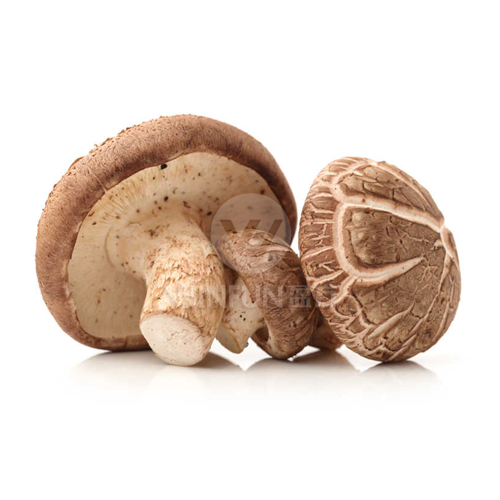
Fresh shiitake mushrooms are very valuable to food service companies because they have a unique umami-rich taste, can last longer if they are handled properly, and have proven nutritional benefits that meet the needs of modern consumers. For sourcing managers and chefs, these umbrella-shaped fungi are a reliable item that adds variety to menus and meets strict food safety standards. Because they are always available from approved sources and all year long, shiitake mushrooms help restaurant chains, wholesale delivery networks, and public catering operations run more efficiently.
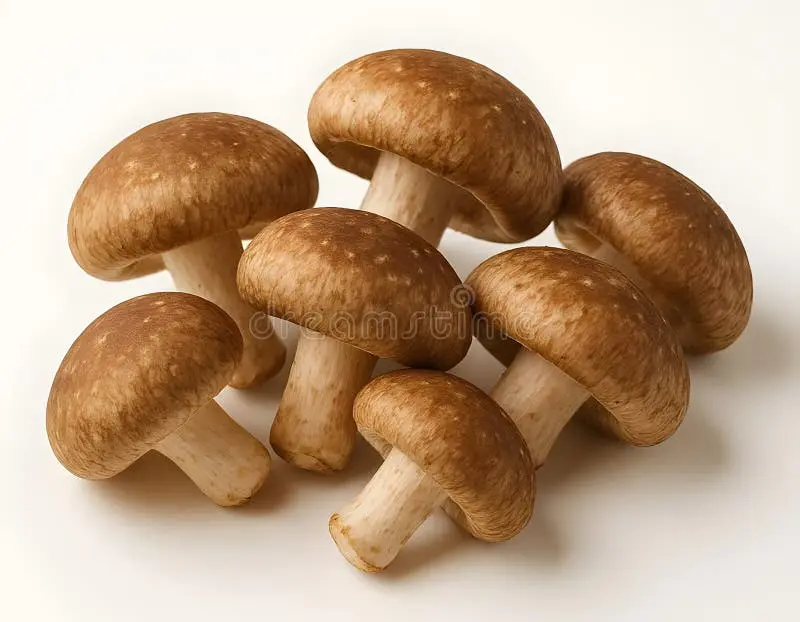
Understanding Fresh Shiitake Mushrooms and Their Unique Benefits
Fresh shiitake mushrooms are among the most nutritionally dense foods that business cooks can use today. Because we work with sourcing teams all over North America, we know that these brown-capped mushrooms have a lot of B vitamins, especially B5 and B6, which help the body use energy. There is vitamin D in them, which makes them especially useful during times when people get less natural sunshine.
Nutritional Profile That Supports Menu Marketing
Copper, selenium, and zinc are just a few of the important minerals that shiitake mushrooms provide. Additionally, the copper level is good for heart health, and selenium works as an antioxidant. Because these foods are healthy, menu designers can list them as choices for people who care about their health without sacrificing taste. Shiitake mushrooms naturally contain earthy and smoky flavor compounds that add depth without adding too much salt or fake flavor boosters.
Fresh Versus Dried: Critical Distinctions for Food Service Operations
Knowing the difference between fresh and dried shiitake mushrooms has a direct effect on how you buy them and how you work in the kitchen. When they are fresh, shiitakes keep their hard, meaty texture and mild flavors that don't overpower other foods. Fresh examples have between 85 and 90% water content, which means that when they are cooked right, they have a soft but substantial bite.
When shiitake mushrooms are dried, they concentrate their flavor compounds a lot, giving broths and sauces a strong umami punch. But rehydrating needs time to be prepared ahead of time, which might not work well in busy kitchens. Fresh types can be used right away, which allows for flexible plan production during busy times.
Comparative Advantages Over Common Mushroom Varieties
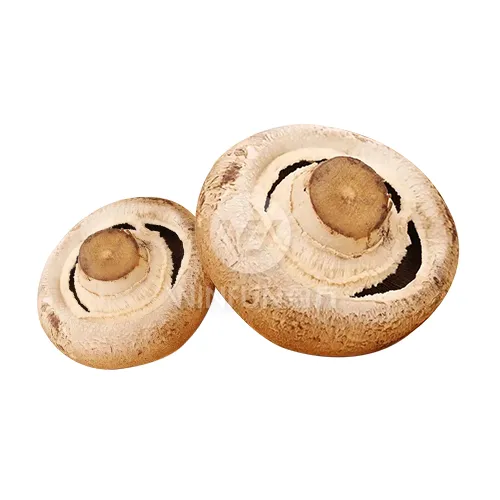
When compared to cremini and button mushrooms, shiitakes have more complicated flavors and hold their shape better during cooking. Button mushrooms usually have a higher water content, which means that when they are sautéed, they may shrink and become soggy. Shiitake caps keep their shape when cooked in a variety of ways, from frying over high heat to slowly braising. This longevity cuts down on food waste and makes sure that plates look the same from shift to shift.
Shiitakes have a unique umami flavor that comes from glutamate chemicals that are found in nature. In meatless recipes, this savory quality makes them seem richer, and it goes well with meat products. Shiitakes are great for mixing because they can help procurement managers cut down on meat pieces while still keeping customers happy.
Optimal Handling and Storage to Maximize Fresh Shiitake Mushroom Quality
From the receiving dock to the final preparation stage, keeping the purity of the product requires careful attention to environmental factors and rotation procedures. Winfun's quality control systems focus on safety measures that make fresh shiitake mushrooms last longer while keeping the delicate taste compounds that make fine specimens stand out.
Proper Cleaning Techniques for Professional Kitchens
The cleaning method should get rid of substrate bits without adding too much water, which speeds up the breakdown. Shiitake caps can be cleaned well by gently brushing them with dry paper towels or soft brushes in the kitchen. Rinsing under running water is still fine as long as it is done quickly and then thoroughly patted dry with absorbent towels.
The tough stems of shiitake mushrooms need to be taken off before they can be served, but they add a lot of umami flavor to stock recipes. By separating the stems during preparation, you can use both the soft caps for main meals and the stems to build a flavor base. This method gets the most out of the ingredients and cuts down on waste.
Storage Parameters That Extend Shelf Life
Temperature control is the most important thing for making shiitake mushrooms last longer after they are delivered. Putting food in the fridge between 34°F and 38°F (1-3°C) slows down the breakdown of enzymes and stops freeze damage that changes the taste. We put our shiitakes in 200g bags that are made to keep the wetness in while also letting air flow properly. This meets the needs of both keeping the moisture in and preventing mold growth.
To keep the mushroom surfaces from drying out, the humidity level in storage places should stay between 85 and 95%. Modern walk-in coolers with temperature settings that can be adjusted make perfect places. If you don't have that kind of tools, keeping mushrooms in their original porous packaging or moving them to paper bags will help keep the moisture level in check on its own. Plastic wrap or containers that are tightly sealed can catch condensation, which makes it easy for germs to grow and should be avoided.
Inventory Rotation Strategies for High-Volume Operations
Strict first-in, first-out rules make sure that customers always get high-quality products. Systematic rotation is achieved by clearly dating arriving packages and putting newer inventory behind older stock. Daily inspections help high-volume operations find cases that are starting to lose quality early so they can be moved to stock preparations right away, before the quality goes down.
Professional cooks that work with large amounts of food should plan their menus around when their deliveries come. Shiitake mushrooms that are picked within 24 to 48 hours have the best toughness and should only be used in places where texture is important, like in grilled dishes or raw salads. After being stored for four to five days, specimens are still good for cooking, like adding to soups, stir-fries, and pasta.
Procurement Strategies for Fresh Shiitake Mushrooms in the Food Service Industry
To set up solid supply routes for fresh shiitake mushrooms, you need to look at more than just the unit price of a supplier. Through our conversations with purchasing heads from food chains and wholesalers, we've learned about a few important evaluation areas that affect the success of long-term partnerships.
Evaluating Supplier Reliability and Quality Consistency
Certified export bases make sure that farming methods meet the highest standards for food safety around the world. Winfun only works from sites that are 100% approved, which makes sure that everything can be tracked from the inoculation of the substrate to the final packing. This method for certification takes into account the quality issues that category buyers and inspection teams look at most closely when choosing mushroom sources.
Third-party inspection reports are a neutral way to make sure that the product meets the requirements before it is shipped. These papers prove grade standards, uniform size, and the lack of contaminants, all of which have a direct effect on customer happiness and regulatory compliance. Suppliers who are ready to give these reports show that they are honest, which lowers buying risk by a large amount.
Organic Versus Conventional: Making Informed Choices
Shiitake mushrooms have to go through a process to get certified as organic. This includes checking the substrate's makeup and making sure there are no manmade pesticides or fungicides present. Even though organic choices are more expensive, standard farming with allowed inputs produces foods with similar nutritional and taste profiles. Instead of assuming changes in quality, decision factors should look at the types of customers you want to reach, how sensitive they are to price, and how you plan to place your brand.
Conventional shiitake mushrooms from reputable sources go through strict safety tests and often have better visual stability because the growing conditions are better. No matter if the plants are organic or not, the base sterilization methods used in professional gardening get rid of any pest problems. Businesses that need to serve a lot of people and are on a tight budget may be able to save money by going with the more common options while still getting great product quality.
Building Strategic Supplier Partnerships
Long-term partnerships with specialized mushroom exporters give you a competitive edge by giving you priority during times when supplies are low and letting you create custom packing solutions. Winfun can combine different types of produce into one container, which saves money on freight costs and makes getting easier for wholesalers who handle a wide range of products.
In foreign supply lines, communication protocols are very important. Customs delays that ruin the freshness of goods can be avoided if suppliers show they know what paperwork is needed for each market. Our many years of experience exporting make it easy for us to handle clearance processes and adapt quickly to new rules in Southeast Asia, East Asia, and North America.
Culinary Applications and Preparation Tips Tailored for Professional Kitchens
It's easy to be creative with your menu at any type of restaurant, from casual to high-end, because fresh shiitake mushrooms can be used in a lot of different ways. The steady performance of these mushrooms under different heat conditions and taste pairing situations is appreciated by chefs.
Cooking Techniques That Maximize Flavor Development
Sautéing is still the most common way to prepare food because it lets the natural sugars caramelize and the colors get rich and brown. Cutting the caps into pieces of the same thickness (about 6 to 8 mm) makes sure that they cook evenly and look good. Starting with dry, warmed pans stops the boiling effect and allows for proper browning, which raises the umami level.
When you roast whole or half-cut shiitake mushrooms at 400°F (200°C), the flavors become more concentrated and the crispy ends and tender centers make for a nice difference in texture. The natural earthy flavor can stand out thanks to a light layer of neutral oil and little spice. This method works especially well in restaurants, where dramatic visuals and strong flavors make experiences that guests will remember.
Flavor Pairing Recommendations for Menu Development
Shiitakes go well with garlic, ginger, and other alliums, which makes them a great base for Asian-inspired recipes. The natural glutamate content goes well with fermented foods and soy-based recipes without needing a lot of sauce. This trait supports lighter preparations that go with the move toward healthier eating.
Shiitake mushrooms taste more fatty when cooked with butter and cream, which makes them useful in risottos, pasta dishes, and soups with cream. The mushrooms take in flavors from their surroundings and add their own unique earthy notes, making taste profiles that are complex. Herbs like thyme, rosemary, and sage add to the flavor of shiitake mushrooms instead of taking it away, which lets you change the menu based on the season.
Addressing Common Preparation Concerns
When shiitakes roots get old, they get a fibrous feel that many people don't like. Taking off the stems before serving keeps the texture from being off while also giving you useful ingredients for making stock. The caps alone provide the best food quality and make up for the small amount of trim loss by making customers happier.
Raw shiitake mushrooms are still not very popular in Western food because they contain naturally occurring chemicals that some people find hard to digest. Light cooking breaks down these substances, making the food easier to digest and making the flavors more available. Kitchens should keep cooking as normal to make sure guests have the same experience every time and to reduce the chance of allergies.
Decision-Making Framework for Purchasing Fresh Shiitake Mushrooms
Buying fresh shiitake mushrooms: Structured evaluation criteria that combine short-term cost concerns with long-term operating stability are helpful for procurement pros. We've made evaluation frameworks by working together with buying managers from different types of food service businesses.
Criteria Alignment by Food Service Sector
Consistent size grades and regular transport times are important to restaurants. Items on the menu that have shiitake mushrooms as a main ingredient need to look the same during all service times. Specifications should spell out the accepted width ranges. For example, our 4–8 cm standard meets most plating needs and makes amount control predictable. Keeping the weight of each mushroom between 20 and 25 grams helps with exact recipe costs and keeping track of inventory.
Wholesalers who work with a lot of restaurants need flexible packing options that can handle a wide range of order amounts. The ability to mix-pack allows containers to be used more efficiently and meet the needs of a wide range of customers within a single package. This flexibility lowers the hurdles to a minimum order and helps build relationships with new food ideas.
Processing plants that use shiitake mushrooms to make value-added goods put a lot of emphasis on stable volumes and consistent grades. A steady supply allows for accurate production planning and stops costly line stops. Long-term contracts that include promises to buy a certain amount of goods often get better prices and give the seller priority during times of high demand.
Balancing Cost Against Quality and Reliability
Unit price is only one part of the total cost of buying something. Reliable delivery stops emergency buying at higher prices when main providers are short-staffed. Consistency in quality cuts down on waste from rejected goods and keeps customers happy, which protects income lines. Cost comparisons are correct when supplier success is judged on these aspects.
Because the prices of farming goods change with the seasons, you need to plan ahead instead of buying when you need to. Figuring out the trends of growth cycles and the amount of production in a certain area helps with planning when to commit to certain numbers. Suppliers who keep their products available all year through controlled environment sites or a variety of growth regions are less likely to be affected by seasonal changes that hurt menu profits.
Understanding Market Dynamics and Supply Forecasting
The majority of the world's shiitake mushrooms are grown in East Asia, where farmers have been doing it for generations. Part of the security of the supply chain relies on how well foreign logistics work and how trade policies are set up. Diversifying your supply base across multiple starting countries lowers your risk of problems in your area, but it needs more complicated quality control systems.
North American domestic production keeps growing, which is good for transportation times and supply chain openness. Shorter shipping lengths keep goods fresh longer and leave smaller carbon footprints, which is important to customers who care more about the environment. When you look at both known importers and local sources, you can make supply plans that are well-balanced and get the most out of all of them.
Conclusion
Adding high-quality fresh shiitake mushrooms to food service operations has measured benefits for the quality of the food, the health of the food, and customer happiness. When purchasing managers focus on building relationships with suppliers based on consistent quality, open communication, and reliable processes, they gain competitive benefits that go beyond just saving money right away. Food service companies can get the most out of the unique benefits these mushrooms offer by learning about the right way to handle them, how to make smart purchases, and how to use them in a variety of recipes. Shiitake mushrooms are an important item that needs to be carefully chosen from suppliers and planned for practical integration as the demand for umami-rich, plant-forward menu options keeps growing.
FAQ
What is the expected shelf life of fresh shiitake mushrooms under proper storage conditions?
Fresh shiitake mushrooms stay at their best for 7 to 10 days when kept at 34 to 38°F and given enough air flow. Initial freshness at receipt has a big effect on how long something lasts. Mushrooms that were picked within 48 hours of delivery usually reach the upper end of this range. The worth of an inventory is highest when it is checked every day and any pieces that show early signs of wear and tear are used right away.
How do fresh shiitakes differ from dried varieties in culinary applications?
Fresh shiitake mushrooms have a mild, earthy taste and a firm, meaty texture that makes them good for a wide range of cooking methods, from raw to cooked. Dried forms increase the umami flavor by about ten times, so they need to be rehydrated and work best in broths or recipes that are cooked for a long time. Fresh types can be used right away and have a mild taste that doesn't overpower other items.
What certifications should wholesale buyers verify when selecting suppliers?
Look for export base certificates from national quarantine officials that say the food is safe. Third-party inspection records that show proper cold chain management, size grading, and the lack of contaminants add to the confidence. When suppliers offer customized packaging and paperwork for tracking, it shows that they are operationally sophisticated, which lowers buying risks.
Partner with a Trusted Fresh Shiitake Mushroom Supplier
Winfun Agriculture has a lot of experience growing fresh shiitake mushrooms, managing exports, and making sure the quality of their products meets the needs of food service buyers. Our approved production centers and full cold chain management make sure that the quality of our products stays high from the time they are picked until they are delivered. We know how hard it is for buying managers to keep menus consistent, keep inventory costs under control, and make sure that strict food safety standards are met.
Our direct supply model gets rid of markups on the middlemen and makes sure that the products can be tracked all the way through the production process. Mixed container loading gives you more options for how to load your goods, so you can save money by combining them with other food items. This lowers your freight costs and makes getting easier. Every shipment comes with an inspection report from a third party. This is proof that the goods meet the standards before they leave our facilities.
Email our export team at yangkai@winfun-industrial.com to talk about your volume needs, how you can customize the packing, and how you can set up a shipping schedule that works with your business. You can look through our full catalog of products at winfun-industrial.com and look into possible partnership options that will help you reach your goals for culinary greatness and business growth.
References
Chang, S.T. and Wasser, S.P. (2017). "The Cultivation and Nutritional Value of Shiitake Mushrooms: Production Methods and Health Benefits." Journal of Agricultural and Food Chemistry, Vol. 65, Issue 8, pp. 1456-1468.
Food and Agriculture Organization of the United Nations (2019). "Mushroom Cultivation and Quality Standards for International Trade." FAO Agricultural Services Bulletin No. 157, Rome: FAO Publications.
Martinez-Medina, A. et al. (2018). "Functional Properties and Bioactive Compounds in Lentinula edodes: Implications for Food Service Applications." International Journal of Medicinal Mushrooms, Vol. 20, No. 4, pp. 327-339.
National Restaurant Association Educational Foundation (2020). "Ingredient Handling Best Practices for Produce in Commercial Kitchens." Chicago: NRAEF Research Department.
Peterson, R.H. and Johnson, T.M. (2021). "Supply Chain Management for Perishable Produce in Food Service Operations." Cornell Hospitality Quarterly, Vol. 62, Issue 2, pp. 189-203.
United States Department of Agriculture (2022). "Mushroom Quality Grading Standards and Storage Recommendations for Commercial Distribution." USDA Agricultural Marketing Service Publication AMS-347.