Japanese Shiitake Mushroom vs Chinese Shiitake Mushroom
2026-09-07 14:11:38
When buying high-quality shiitake mushrooms for the global market, purchase managers have to choose between Japanese and Chinese types. The shiitake mushroom Japanese growers are distinguished by their careful wood log cultivation techniques, which create strong umami profiles and uniform grading standards that are popular with supermarket chains and food service companies. When figuring out how to balance quality standards with supply chain stability and cost structures for year-round distribution programs, it's important to understand the differences between Chinese shiitake mushrooms and other mushrooms that are grown in the same area.
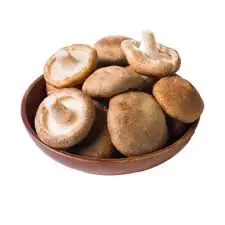
Overview of Japanese and Chinese Shiitake Mushrooms
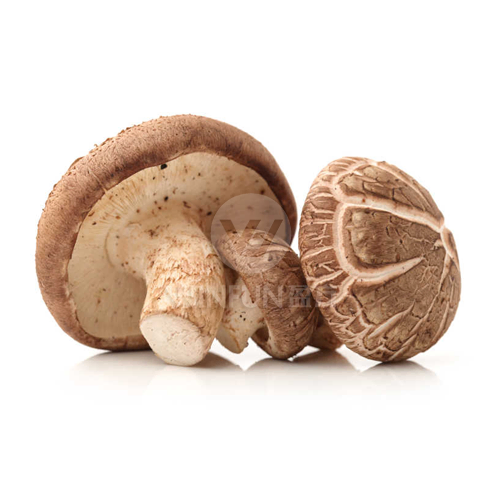
These two types of shiitake mushrooms are very different from each other because of where they come from and how they were grown traditionally. Japan has a centuries-old practice of growing shiitake mushrooms on wooden logs under the cover of a forest. This creates mushrooms with unique shapes, including thicker stems, darker brown caps, and firmer meat that keeps its texture when cooked and shipped. Japan puts a lot of stress on artisanal food production and quality certification systems, which fits with this method.
The way China makes things shows that they have different objectives. China has a wide range of growing areas, from warm to temperate zones. The country has created both traditional log farming and more modern sawdust substrate methods. This adaptability lets a lot of crops be grown all year, which supports global trade outlets, but natural changes in growing conditions make uniformity difficult. Geographical diversification helps Chinese producers deal with seasonality by moving production between areas to keep export numbers steady. When buying teams look at vendor offers, knowing about these structural differences helps them guess the quality ranges, shelf life performance, and supply chain predictability.
Seasonality and Production Volume Considerations
The timing of production has a big effect on plans for supply and transportation. Japanese shiitake farming focuses on the cooler months, when natural log infection works best. Because of these yearly changes, you need to place your order ahead of time. Through controlled environment facilities and regional spread, Chinese operations reduce the effects of seasonality, making it possible for delivery plans to run all year. Buyers who are in charge of restaurant supply chains or e-commerce platforms should check to see how well their suppliers' production schedules match their busiest times of the year. This is especially important around the holidays, when regular grading is needed for presents to customers.
Varietal Traits That Influence Procurement Decisions
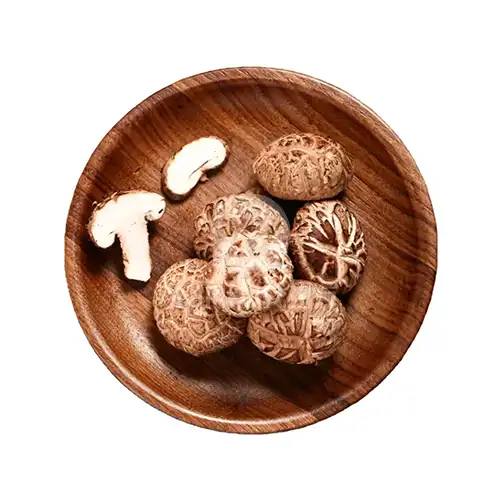
These mushrooms' physical traits have a direct effect on how well they do in food service and store settings. Japanese types usually have caps that are 5 to 7 cm across and stems that are quite thick, making them look good on high-end food store displays. The tighter cap shape keeps it from getting damaged when it's being handled, which extends the shelf life in cold circumstances. Chinese shiitake mushrooms come in a wide range of sizes based on how they are grown. For example, sawdust-grown types may have thinner stems and caps that open faster. When looking for materials for certain uses, these qualities are important: consistent grading helps with automated processing, and consistent visual quality meets the standards for e-commerce photos.
Nutritional and Medicinal Properties Compared
Another thing that sets Japanese and Chinese shiitake apart is the amount of bioactive compounds they contain. Researchers studying mushrooms have found that shiitake mushroom Japanese grown on hardwood logs have higher amounts of lentinan, a beta-glucan polysaccharide that is known to have immune-modulating qualities. This biochemical difference comes from the fact that traditional farming ways slow down growth and let wood absorb nutrients naturally, which lets secondary metabolites form more fully.
The nutritional profile is important for buying teams that are trying to reach health-conscious consumers or make useful foods. When dried in the sun, Japanese shiitake mushrooms usually have between 100 and 400 IU of vitamin D2 per 100 grams. This backs up what the product label says. Chinese types have similar basic nutrients, like B vitamins, ergothioneine, and fiber, but they may need to be grown in a certain way to get high levels of bioactive compounds. Third-party laboratory certificates are important for this because they provide proof to back up marketing claims and meet legal standards for positioning products in a health-oriented way.
Certification Standards and Quality Assurance
Japanese farmers often get organic approvals from the Japanese Agricultural Standard (JAS) along with HACCP and ISO quality management systems. This shows how strict Japanese food safety culture is. These certificates give purchasing managers written proof of output standards, tracking systems, and rules for preventing contamination. To compete in high-end markets, Chinese exporters are looking for foreign certifications like USDA Organic, GlobalGAP, and BRC standards more and more. However, the level of certification ranges from supplier to supplier. When you're providing store chains with strict compliance requirements or when you're looking for ingredients for prepared foods where audit trails are important, it's important to look at certification portfolios.
Cultivation and Production Processes
For example, the main difference in how plants are grown has effects all along the supply chain. Japanese traditional shiitake farming involves "genki" gardening, which means spreading mushroom spawn on wooden logs (usually oak or chestnut) and then letting them grow naturally for 6 to 18 months before they start to fruit. This hard-to-do process takes place in forests, where light, temperature, and humidity naturally change. As a result, the mushrooms grow slowly, building up complex flavor chemicals and a thick cell structure.
In China, production includes both old-fashioned log methods used in hilly areas and new industrial systems that use clean sawdust blocks that have been added with nutrients. The sawdust base method shortens the time it takes to grow plants, from planting to harvesting, from 120 to 90 days to 60 to 90 days. This greatly increases the yield per square meter. Gains in efficiency help a business stay competitive, but faster growth can change the structure and richness of the flavors. Some high-end Chinese makers keep up log farming just for export markets that need gourmet-grade goods. This creates a range of quality choices for Chinese suppliers.
Sustainability and Environmental Practices
As retailers try to meet customers' standards for sustainability, environmental concerns are becoming more and more important in their buying choices. Japanese log farming takes place in managed forest systems where mushroom farming is combined with forestry work and old trees are used to add organic matter to forest environments. This circle method helps with environmental approval and telling stories about sustainability for store marketing.
Chinese industrial sawdust farming makes used substrate blocks that need to be thrown away. However, trash is being turned into agricultural soil amendments at advanced facilities. There are big differences between Chinese facilities in how much water they use, how much energy they use to keep the temperature stable, and how they sterilize substrates. Buyers who care about sustainability should ask for proof of how the product affects the environment and visit production sites to see how the products are made. This is especially important when buying for organic grocery stores or workplace foodservice programs that have policies on buying products that are good for the environment.
Quality Control and Uniformity Standards
Consistency in grading affects the speed of operations further down the line. Japanese growers usually sort mushrooms by hand in strict ways, putting them into groups based on standards for cap size, stem length, color regularity, and flaws. This careful grading makes it possible to predict both the quality of the food and how it looks. In high-end restaurant supply lines, where cooks expect specific size ranges for plating accuracy, premium grades get a lot of attention.
Chinese sellers of shiitake mushroom Japanese grade their goods in different ways based on the market they want to reach. To meet buyer requirements, sites that focus on exports and work with U.S. grocery groups use mechanical sizing and visual checking systems. But smaller businesses might not be as strict about grades, which could mean that boxes contain items of different sizes. Before signing a large-scale contract, procurement managers should make clear requirements that include size standards, defect limits, and sampling methods. They should then use initial trial orders to make sure the seller can meet these requirements.
Culinary Uses and Quality Grades
The needs of the application should guide the choice of type. Japanese shiitake mushrooms are great when texture and look are important. They are great when they are thinly sliced for ramen toppings, grilled whole for meatless main dishes, or used in traditional Japanese cooking where using real ingredients is important to the culture. Its hard, meaty texture keeps its shape while being cooked in a variety of ways, from sautéing to braising, which cooks like because they want ingredients that work reliably.
Depending on the grade, different types of Chinese shiitake mushrooms can be used in different kinds of cooking. When texture is important, premium log-grown Chinese shiitake mushrooms work about as well as Japanese types. Standard grades, on the other hand, work well in soups, stir-fries, and mixed dishes where the look of each mushroom doesn't matter as much. Food service businesses that want to save money often choose Chinese shiitake for high-volume uses like fillings for dumplings or mixed veggie meals where taste and nutrition are more important than premium texture.
Fresh Versus Dried Product Considerations
Form choice has a big effect on processes and how well it works for a given application. Fresh shiitake mushrooms need to be kept cool from the time they are picked until they are displayed in stores. If they are kept cool, they can last for 7 to 12 days. Japanese fresh shiitake has a slightly longer shelf life because the cells are thicker and they are handled more carefully after they are picked. Fresh goods are used in supermarket produce sections, restaurants that need the best taste and texture, and e-commerce sites that put an emphasis on quality.
There are strong reasons to buy dried shiitake mushrooms in some situations. The process of drying increases umami compounds, which make flavors stronger and work well for soups, stews, and braised foods when they are rehydrated. The shelf life goes up to 12 to 18 months when stored at room temperature, which cuts down on cold chain costs and stocking risk. When processing plants need to get mushrooms for canned soups or dried meal kits, they often choose dried shiitake because it has a consistent moisture content and is easier to handle. Winfun Agriculture sells both fresh and dried shiitake mushrooms, and they offer different packaging options to meet the needs of different businesses. For example, 200g retail bags for fresh mushrooms make it easy for customers to get the right amount, and bulk cartons with 25 bags per carton make it easier for foodservice businesses to get their products to customers.
Grading Standards for Different Market Segments
Understanding the different grade levels helps you make purchases that meet the needs of the end use. Gourmet-grade shiitake mushrooms have caps that are 5 to 7 cm across, a uniform dark brown color, stems that don't need to be trimmed much, and a tight veil formation. This premium group is used by high-end restaurants, specialty stores, and gift shops where the way the product looks explains the higher price.
Standard grades come in a wider range of sizes, may have small flaws on the surface, and usually need more stem cutting in the kitchen. These grades are good for grocery stores, casual eating places, and public foodservice where quality and cost must be balanced. Processing-grade shiitake mushrooms have smaller sizes, uneven forms, or visual flaws that don't affect taste or safety. They are perfect for slicing, dicing, or blending into ready-made foods where look doesn't matter.
Procurement Guide: Making the Right Choice for Your Business
When making strategic buying choices, you need to look at more than just unit price. The total cost of ownership includes the money lost on bad products, the time and money needed to prepare and cut them, the effects on customer happiness from consistent quality, and the ability of the supply chain to keep going even when things go wrong. Japanese shiitake mushrooms usually have higher direct costs, but they have a longer shelf life, less waste from trimming, and are positioned as a premium product, which allows for higher store profits or menu prices. Chinese shiitake sourcing focuses on large-scale production, flexible minimum order amounts, and reasonable price that works for market groups that care about costs.
The review of a supplier should include a number of important factors. Verifying providers' production capacity makes sure they can keep up with rising demand without lowering quality. Ask for proof of cultivation area, yield amounts, and peak season capacity. Documentation for quality management systems shows if providers follow SOPs, worker training programs, and corrective action routines to keep standards consistent. Logistics skills are very important for fresh produce. Look at how much cold storage space is available at the beginning, how well you get along with freight forwarders, and how much experience you have clearing perishable goods through customs.
Certification Requirements and Compliance Verification
To get into the U.S. market, you need to show certain paperwork and follow certain rules. All fresh mushrooms that come from other countries, including shiitake mushroom Japanese, need phytosanitary papers that say they are free of pests and meet USDA inspection standards. For organic claims to be true, they need to come from agencies that are recognized by the USDA or similar foreign groups that have agreements with the USDA. As a condition for becoming a seller, supermarket chains usually require third-party food safety checks like GFSI-recognized certifications (BRC, SQF, or FSSC 22000).
Instead of taking documents at face value, procurement teams should set up ways to check the validity of certifications. Check the authenticity of the certificate using databases of certifying bodies. Make sure that the certificate's validity periods cover the dates of shipment. Also, make sure that the name of the certified company on the commercial invoices fits the formal name of the seller. These steps of proof keep you from not following the rules, which could lead to product arrest, expensive re-export requirements, or chargebacks from retailers.
Building Reliable Supplier Relationships
Long-term stability in the supply chain rests on the strength of relationships that go beyond simple transactions. Trust is built through open conversation about production conditions, realistic wait times, and early warnings of possible supply disruptions. Suppliers who are ready to give tours of their facilities, share information about the production process, and work with you to create specifications show that they want to be a partner, not just a seller.
Winfun Agriculture is a good example of this partnership method because it has direct supply relationships with certified export bases all over China. This way of doing business combines the benefits of Chinese production's ability to be scaled up with strict quality control systems that have been built up over years of exporting. Our updated mushroom picking methods make sure that the mushrooms are always graded in a way that meets the needs of the buyer, and water-clean processing makes them look better for store use. The ability to mix-load mushrooms with goods that go well with them, like fresh pears, at temperatures that don't affect each other lowers the cost of shipping in containers. This improves transportation efficiency, which helps buyers make more money.
Storage and Handling Protocols
The quality of the product is kept and its shelf life is extended when it is handled properly after receipt. For the best storage, keep fresh shiitake mushrooms between 32°F and 36°F and 85–90% relative humidity. Keep them away from ice and water drops, which can change the color of the mushrooms. To keep wetness loss and physical damage to a minimum, packaging should stay together until it is used. To keep mist from forming, display boxes must keep temperatures stable and allow enough air flow.
Teaching staff the right way to handle things cuts down on waste by a large amount. First-in, first-out (FIFO) rules should be used to rotate mushrooms, they should be checked every day to make sure their quality isn't getting worse, and they should be cut right before they are used instead of ahead of time. These seemingly small organizational details have a big effect on the quality of the products sold and the businesses' ability to make money, whether they are in retail or food service.
Conclusion
To choose between Japanese and Chinese shiitake mushrooms, you need to make sure that the growing conditions, quality standards, and supply chain skills meet your business needs. The shiitake mushroom Japanese types have a great texture, uniform grading, and strong approval systems that make them good for high-end stores, restaurants, and making health-focused products. Growing shiitake mushrooms in China lets you make more of them, you can get them all year, and the prices are low enough that they can be sold in most stores and restaurants. For procurement to go well, operational facts must be weighed against quality standards, suppliers must be judged on more than just price, and partnerships must be formed that show production openness and supply chain reliability. By knowing these differences, procurement managers can make smart choices that improve product performance, customer happiness, and profits in a wide range of market situations.
FAQ
How can buyers authenticate Japanese shiitake mushrooms versus Chinese varieties?
When looking at Japanese shiitake mushrooms, the stems are usually bigger compared to the size of the caps, they are darker brown, and the flesh is firmer. To be sure, though, you need to look at a lot of paperwork, like phytosanitary certificates that show the country of origin, supplier facility registrations, and maybe even DNA tests for extra security. Asking for photos and documents of the production site adds another level of verification.
What factors explain cost differences between Japanese and Chinese shiitake in bulk purchasing?
Costs vary a lot depending on how hard the work is. Handling, gathering, and sorting logs by hand takes a lot of work over long output cycles in traditional Japanese log farming. Chinese straw base systems automate some steps of the production process, which lowers the cost of labor per kilogram. Also, Japan's local market takes a lot of production at high prices, leaving only a small amount of production for export at higher prices. The cost of shipping from the beginning to U.S. ports also depends on how efficiently the shipping method works and how many containers are used.
Which certifications matter most when sourcing shiitake mushrooms for U.S. supermarket chains?
Organic products must first get USDA organic approval, while conventional goods must show that they follow Good Agricultural Practices (GAP). More and more, big stores are requiring suppliers to have GFSI-recognized food safety standards like BRC or SQF. Phytosanitary approval, which proves that the food is free of pests, is still needed for all imported fresh food. Other certifications, such as kosher approval or proof from the Non-GMO Project, depend on the store program and the type of customer being targeted.
Partner with Winfun Agriculture for Premium Shiitake Mushroom Supply
Winfun Agriculture is ready to help you find shiitake mushrooms by offering complete supply chain solutions that include quality control, transportation knowledge, and a range of creative purchasing options. As a reputable shiitake mushroom Japanese provider with approved export bases and years of experience in international trade, we are aware of the stringent requirements of U.S. grocery chains, food service businesses, and online stores. We sell high-quality, fresh shiitake mushrooms that come in handy 200g consumer bags or large 25-bag cartons. From harvest to delivery, they stay at their freshest thanks to integrated cold chain management. Email yangkai@winfun-industrial.com to get product samples or full specification sheets and see how our high quality standards, competitive positioning, and year-round availability can help your mushroom category performance and customer satisfaction measures.
References
Wasser, S.P. (2014). Medicinal Mushroom Science: Current Perspectives, Advances, Evidences, and Challenges. Biomedical Journal, 37(6), 345-356.
Chang, S.T. & Miles, P.G. (2004). Mushrooms: Cultivation, Nutritional Value, Medicinal Effect, and Environmental Impact. CRC Press, Boca Raton.
Finimundy, T.C., Dillon, A.J.P., Henriques, J.A.P. & Ely, M.R. (2014). A Review on General Nutritional Compounds and Pharmacological Properties of the Lentinula edodes Mushroom. Food and Nutrition Sciences, 5, 1095-1105.
Royse, D.J., Baars, J. & Tan, Q. (2017). Current Overview of Mushroom Production in the World. Edible and Medicinal Mushrooms: Technology and Applications, Wiley-Blackwell, 5-13.
Bisen, P.S., Baghel, R.K., Sanodiya, B.S., Thakur, G.S. & Prasad, G.B. (2010). Lentinus edodes: A Macrofungus with Pharmacological Activities. Current Medicinal Chemistry, 17(22), 2419-2430.
Philippoussis, A.N. (2009). Production of Mushrooms Using Agro-Industrial Residues as Substrates. Biotechnology for Agro-Industrial Residues Utilisation, Springer, 163-196.