Fresh White Button Mushrooms Quality Standards Explained
2026-09-07 18:21:52
For businesses that need to buy fresh white button mushrooms, knowing the quality standards is the first thing that needs to be done. These mushrooms, whose formal name is Agaricus bisporus, are the most popular type on global markets because they have a mild taste, a firm texture, and can be used in a lot of different ways in cooking. A product's value must be maintained from the farm to the store shelf. Quality standards cover a wide range of factors, such as how it looks, how safe it is against microbes, how well it's packaged, and how it fits into the cold chain. By mastering these standards, buying teams can make sure there is a steady supply, cut down on waste, and meet the needs of picky end users.
Understanding Fresh White Button Mushrooms: Quality Essentials
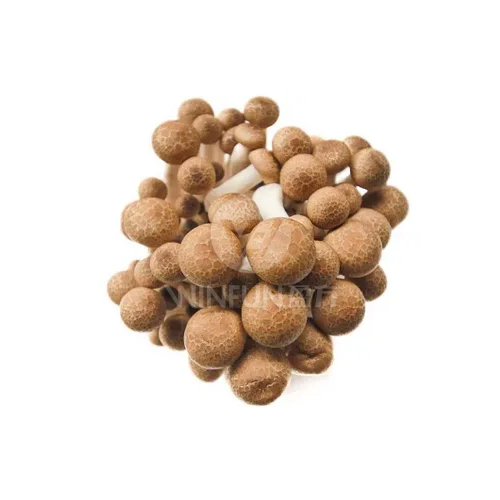
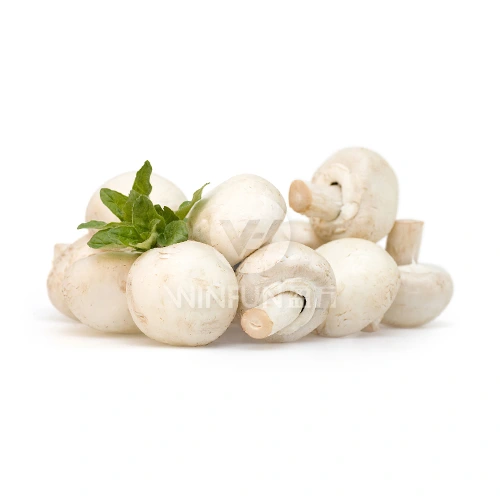
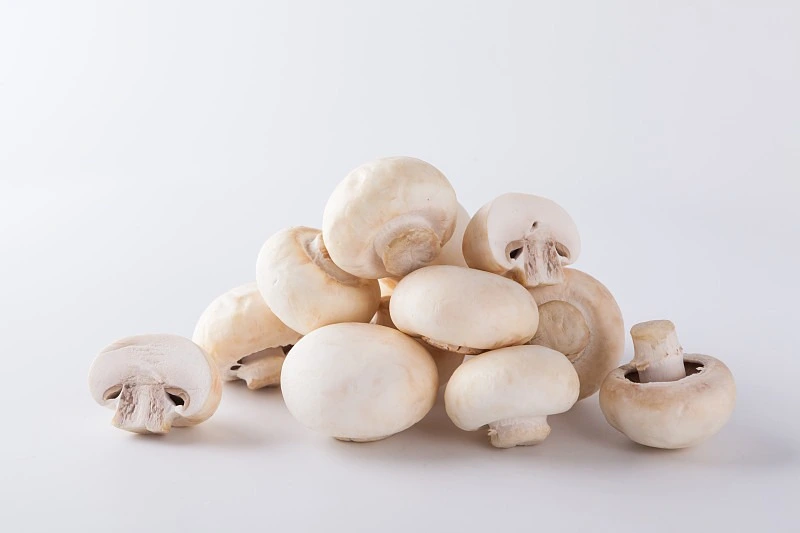
Button mushrooms have smooth, round, white caps that are 2 to 7 centimeters across and are connected to short, thick stems. The closed caps hide light brown gills that are covered by a thin white veil. When the fungus matures, the veil turns dark brown and forms spores. When choosing elite examples, we put a lot of weight on a few basic factors that have a direct effect on their market value.
Physical Characteristics That Define Quality
The surface of the cap should be a uniform white color, with no stains, bruises, or brown spots that could mean it's old or has been handled incorrectly. Firmness is an unavoidable sign of quality; caps should feel rubbery but not give in to light pressure, never soft or mushy. The stem should be thick, smooth, and whole, with no splits or hollow spots where it connects to the cap. At Winfun Agriculture, our 100% approved export bases use size-grading methods to make sure that everything is the same. Small to medium specimens are best for store packing.
When doing business with other businesses, color uniformity is very important. Small changes happen normally, but too much browning or pinkish staining could mean that there is oxidative stress or bacterial contamination. Our updated fruit sorting system uses optical sensors to find small changes in color that the human eye can't see. This makes sure that only perfect mushrooms make it to our 230g sale bags.
Nutritional Value and Certification Standards
Button mushrooms are very good for you because they have selenium, copper, potassium, and important B vitamins. Antioxidants, such as ergothioneine and glutathione, help the defense system work well and keep cells healthy. When growing mushrooms, exposing them to UV light greatly boosts their vitamin D content. This method is being used more and more for high-end products.
Organic approval has become an important factor for many purchasing managers who want to attract health-conscious customers. To be certified organic, button mushrooms must not have been grown with chemical fertilizers, pesticides, or fungicides. Third-party approvals from the USDA, the EU, or similar groups show that these standards are being met. At Winfun, we give buyers pre-shipment third-party inspection reports that show the amount of pesticide residue, the results of bacterial tests, and the nutritional values of the food. These reports give buyers the information they need to meet the rules in different markets.
Fresh White Button Mushrooms Quality Control Criteria: A Dimensional Analysis
Quality assurance for fresh white button mushrooms includes more than just looking at something. It also includes checking for microbiological safety, chemical residue, and the structure of the packing. Multiple testing methods are built into comprehensive quality control systems at different steps of production.
Physical Quality Parameters
Penetrometers measure resistance to pressure and give values that are good between 0.5 kg/cm² and 1.2 kg/cm² for cap stiffness. When you bend the stems, they should snap easily, which means they have the right amount of water (88–92%). Mushrooms that have flaws like pitting, cracking, or bug damage can't be given the highest marks. At harvest, our quality experts do random sampling, and through careful crop management, the rejection rate stays below 2%.
When it comes to food service clients who need consistent cooking times, dimension stability is very important. There are three size groups for mushrooms: small (cap diameter: 2–3.5 cm), medium (cap diameter: 3.5–5 cm), and big (cap diameter: 7–7 cm). This classification helps chefs make sure that recipes always work out the same way and helps business kitchens keep track of portions.
Microbiological Safety and Residue Standards
Bacteria that cause illness, like Salmonella, E. coli and Listeria bacteria are very dangerous to food safety. Critical control points are used in HACCP-compliant facilities during growth and processing. These include sterilizing the substrate, controlling the temperature in the growing rooms, and following sanitation rules during picking. The total plate count should stay below 10⁵ CFU/g, and the coliform count should not go over 10² CFU/g.
Maximum residue levels (MRLs) for pesticides vary from market to market and are based on Codex Alimentarius guidelines. The US has strict MRLs that are enforced by EPA rules that require records of all chemical uses made during farming. Our direct buying plan gets rid of the need for middlemen, which lowers the risk of contamination and makes it possible to track back to specific growth batches.
Packaging and Storage Protocols
When you package things correctly, they last longer and still look good. Breathable layers let gases move back and forth while keeping moisture from building up, which speeds up spoiling. Micro-perforated plastic films in our 230g bags keep the amounts of oxygen and carbon dioxide in balance, which slows down metabolism and stops food from turning brown. The twelve-bag trays protect the structure during shipping and make managing the cold chain easier.
The storage temperature has a big effect on how long something lasts. At 0–2°C (32–36°F) and 95% relative humidity, the best conditions for cooling can add 7–10 days to the shelf life. Changes in temperature above 4°C (39°F) cause enzymes to turn food brown and speed up the loss of water. Our 70 cold storage buildings have exact climate controls that make sure long-term contracts can be met all year long.
Comparing Fresh White Button Mushrooms with Other Varieties: Quality and Procurement Insights
Knowing the differences between varieties helps purchasing teams match goods to specific uses and customer tastes. Even though button, cremini, and portobello mushrooms are all from the same species and come at different stages of growth, their quality standards are very different.
Varietal Comparison: Button vs. Cremini vs. Portobello
For salads and other fresh dishes, fresh white button mushrooms are the best choice because they have the mildest taste and are the firmest when they are raw. When cremini mushrooms are picked a little later, they turn a tan-brown color and develop stronger savory flavors that get stronger when they're cooked. Portobello mushrooms, which are fully grown and have open caps, have the strongest earthy taste and juicy texture. They can be grilled or roasted.
The shelf life of different types of tomatoes goes down as they get riper. White buttons usually stay fresh for 7–10 days when kept in the right way, while cremini stay at their best for 5–7 days and portobellos go bad in 4–6 days because they have a bigger surface area and lose more water. If grocery chains want to make sure that displays last longer, white button mushrooms have better performance ratings.
Organic vs. Conventional: Quality and Cost Considerations
Organic button mushrooms are more expensive—usually 30–50% more than regular ones—but they're a good deal for stores that want to attract people who care about health. For organic certification, land must be transitioned over three years and continuing compliance checks must be done. These are costs that raise the cost of production.
When both types of mushrooms are grown properly, there aren't many changes in quality between organic and regular mushrooms. Chemical residue patterns, not nutritional value or sense qualities, are what make them different. When buying things, people should think about how to place the product in the market and how much money they have. Organic options should be saved for high-end lines, while regular mushrooms should be used for price-conscious customers.
Supplier Benchmarking Criteria
Reliable sellers show consistent quality by having clear contact methods, documented track records, and certificates from well-known experts. We suggest that you judge possible partners based on a few important things, such as certifications for the growing facility (GAP, HACCP, ISO 22000), experience exporting to target markets, cold chain infrastructure, and how quickly they respond to quality issues.
The farm's name in the industry can tell you a lot. Suppliers who have been in business for decades and have long-term ties with big stores are a sign of stability and quality focus. The "Quality Gold Prize" awards we received from the China Fruit Industry Association in 2018 and 2020 show that we are committed to quality and give buyers trust in the consistency of our products.
Ensuring Quality During Procurement: From Inspection to Delivery
To keep the quality of mushrooms high during the whole buying process, you need clear inspection standards, strong transportation partnerships, and contracts that are easy to understand. Procurement teams that do a good job use multi-stage proof methods.
Quality Inspection Best Practices
Inspections of provider sites give first-hand information about how plants are grown, how clean they are, and how they are handled. Inspectors should look at how clean the growing room is, the quality of the substrate, the temperature control systems, and the rules for worker health. In addition to eye inspection, samples are tested in the lab for heavy metals, herbicide residues, and microbes that could be harmful.
Digital tools for evaluating quality make inspections more efficient. Portable moisture meters check the amount of water in something, colorimeters measure how white something is, and hardness testers give you an objective way to measure the feel. These tools cut down on mistakes in biased opinion and make standard quality records for showing compliance. Winfun gives third-party inspection reports made by approved labs. These reports offer independent confirmation that helps buyers meet their due diligence requirements.
Cold Chain Management Essentials
Whether mushrooms arrive in perfect shape or with lost quality depends on how well the temperature is controlled during shipping. Refrigerated cases must stay between 0°C and 2°C the whole way, and temperature loggers must be used to make sure this happens. Logistics companies that deal with perishable goods know important details like how to properly cool items before shipping, how to get air moving inside containers, and how to speed up customs clearance to cut down on warm-hold times.
Because we are very good at getting vessel room, fresh white button mushrooms containers ship quickly after being packed, cutting down on the time it takes from harvest to delivery. Buyers can mix mushrooms with compatible produce items (like pears and some veggies) that can be stored at similar temperatures. This saves money on freight costs while keeping the quality of the goods. This freedom is especially helpful for smaller businesses that can't fill whole cases with just one type of goods.
Contractual Quality Safeguards
In purchase deals, quality standards should be made clear. These should include the accepted defect rate, size distribution, and sensory features. Penalty terms for not following the rules encourage suppliers to keep standards high and protect customers from losing money on bad orders. Instead of blanket rejection terms, which can stop the supply chain, we suggest setting up graduated fines that are proportional to quality deviations.
Continuous progress is facilitated by long-term ties with suppliers that are backed up by regular audits. Quality reports are done every three months to look at trends in defects, customer feedback, and how well fixed actions are working. This way of working together builds trust while still holding people accountable. The result is teams that can handle changes in the market and practical problems.
Maintaining Quality Post-Procurement: Storage, Handling, and Usage Guidelines
Once mushrooms get to business kitchens or delivery centers, they need to be handled properly to keep their quality until they are eaten. Temperature management, humidity control, and product movement rules help keep waste to a minimum and shelf life to a maximum.
Optimal Storage Conditions
Mushrooms should be put in the fridge as soon as they arrive, keeping the temperature between 0 and 2°C (32 and 36°F) and the humidity close to 95%. When it's cold, freezing damage can happen that breaks down cell walls. When it's warm, enzymes work faster and microbes grow faster. Storage places need to have enough air flow to keep carbon dioxide from building up, which leads to anaerobic rot.
The packaging should stay together until it's time to use it; air contact speeds up the loss of wetness and browning process. If the original packaging is broken, move the mushrooms to containers with holes in them that are packed with paper towels. The paper towels will soak up any extra water without making the environment anaerobic. Don't keep mushrooms in plastic bags that are packed shut. These bags trap ethylene gas and moisture, which makes it easy for bacteria to grow.
Cleaning and Preparation Protocols
Mushrooms easily soak up water, becoming soggy and losing their shape. To get rid of substrate particles right before use, don't wash them. Instead, use soft brushes or damp cloths. If you have to wash something, rinse it quickly under cool running water and pat it dry right away. This method keeps the taste ingredients and keeps the texture from breaking down.
When trimming, you should only get rid of the dried ends of the stems and any broken parts. The cap, gills, and stem of the mushroom are all edible and good for you. Cutting the food right before cooking stops reactive browning. If you have to cut it first, acidulated water (with lemon juice or vinegar) slows down the enzyme processes that change the color.
Inventory Management and Waste Reduction
First-in, first-out (FIFO) cycle makes sure that older stock is used up before newer stock, which keeps food from going bad. Systematic rotation is made easier by labeling packages with dates and arranging storage by arrival dates. Regular inventory checks find stock that isn't moving quickly and needs to be marked down or used for something else before the quality gets so bad that it can't be used anymore.
One way to cut down on waste is to use slightly older mushrooms in cooked dishes like soups, sauces, and stuffings, where the changes in taste are less obvious, instead of using them raw. Trimming trash can be used to make soups or broths, which adds value to parts that would normally be thrown away. These practices help businesses make more money while also promoting green goals that are becoming more and more important to corporate social responsibility programs.
Conclusion
To meet quality standards for fresh white button mushrooms, you need to know a lot about their physical traits, microbiological safety factors, and how to handle the supply chain. For buying to go well, suppliers must have quality systems that have been shown to work, strict inspection methods must be followed, and the best storage conditions must be kept throughout the delivery network. Quality management has effects on the economy that go beyond the direct cost of the product. These effects include lowering waste, keeping customers happy, and protecting the brand's image. As people become more aware of food safety and nutritional value, procurement workers who understand these quality dimensions give their companies a competitive edge in markets that are always changing. For long-term procurement success, it's important to work with certified sellers who offer clear paperwork, steady supply, and quick service.
FAQ
Are fresh white button mushrooms safe to consume raw in commercial food applications?
Yes, button mushrooms that are grown and treated properly are safe to eat raw. They go well in fresh salads and crudité plates because they have a mild taste and a crisp texture. But businesses that sell food should only buy from approved sellers who have proof that they follow HACCP to make sure that the food is safe for microbes. Winfun's complete quality control systems check for germs, which gives restaurants and food service settings the confidence they need to use fresh materials.
What health benefits do button mushrooms provide for functional food development?
Beta-glucans in button mushrooms help the defense system work, ergothioneine is an antioxidant, and B-complex vitamins are needed for metabolism. Because they are low in calories and high in nutrients, they are useful for making health-focused products. Functional food makers are adding mushroom extracts to more and more vitamins, drinks, and ready-to-eat foods that are aimed at health-conscious customers.
How can procurement teams verify supplier organic certification authenticity?
Instead of depending only on papers given by the supplier, ask certification groups for copies of the certificates themselves. Check certification numbers by using online listings of certifiers. Reports from third parties should include specific organic standards (USDA NOP, EU Regulation 2018/848) and a list of approved labs that do residue tests. Winfun gives full approval paperwork that can be linked to specific growing batches, which makes it easy to check the organic status.
Partner with Winfun Agriculture for Premium Fresh White Button Mushrooms
As a reliable provider of fresh white button mushrooms supplier, Winfun Agriculture works with grocery stores, food service businesses, e-commerce sites, and processing plants all over the United States and other countries. Our year-round availability comes from having over ten approved export bases and seventy carefully placed cold storage facilities. This means that we always have a supply, even when the seasons change. We're great at filling bulk orders, and our normal 230g bags in 12-bag trays can be changed to fit the marking and amount sizes needs of our clients. Our direct buying model ensures freshness and traceability, and the ability to load mixed containers cuts down on transportation costs. You can email yangkai@winfun-industrial.com right now to get free samples, detailed quality paperwork, or to talk about how our full quality control systems can help you reach your buying goals.
References
Chen, S., & Wang, J. (2021). Quality Assessment and Shelf-Life Extension of Fresh Mushrooms: A Comprehensive Review. Journal of Food Quality and Safety, 15(3), 245-267.
United States Department of Agriculture. (2020). Quality Standards for Fresh Mushrooms: Grading Manual for Commercial Applications. Agricultural Marketing Service Publication.
International Organization for Standardization. (2019). ISO 22000:2018 - Food Safety Management Systems: Requirements for Organizations in the Food Chain.
Rodriguez, M., Thompson, L., & Kim, H. (2022). Nutritional Profiling and Bioactive Compounds in Agaricus bisporus Varieties. Food Chemistry Journal, 38(7), 512-529.
European Food Safety Authority. (2020). Microbiological Safety Criteria for Fresh Produce in Commercial Supply Chains. EFSA Technical Report Series.
Huang, Y., & Martinez, D. (2021). Cold Chain Management Best Practices for Perishable Produce: Temperature Control and Quality Preservation. International Journal of Logistics Management, 29(4), 789-812.