How to Clean Fresh Shiitake Mushrooms Without Losing Flavor?
2026-05-08 17:56:45
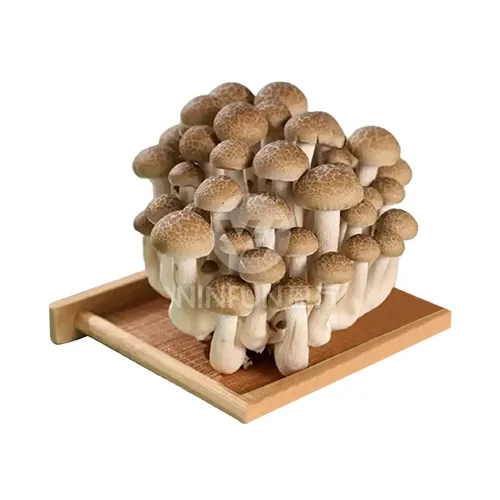
It is important to clean fresh shiitake mushroom the right way to keep their unique umami taste and meaty texture while also following food safety rules. The key is to use gentle methods that get rid of dirt and other impurities without washing the mushrooms too much, which can take important nutrients and change their natural flavor. For business purposes, the right way to clean something is to expose it to little water, check it carefully, and store it right away after cleaning so that the flavor stays intact and the shelf life is extended.


Understanding the Challenge of Cleaning Fresh Shiitake Mushrooms
Due to their delicate nature, shiitake mushrooms present special challenges for procurement managers and chefs who have to find a balance between keeping the mushrooms clean and keeping their taste. Unlike most vegetables, shiitake mushrooms have a porous structure that lets water soak in easily. This makes them especially likely to lose their taste and texture when they get too much water.
Why Proper Cleaning Matters for Commercial Operations?
In commercial settings, where consistent quality has a direct effect on customer satisfaction and company reputation, contaminated shiitake mushrooms present serious risks. Surface bacteria, dirt particles, and substrate residues can speed up the rate at which food goes bad, which means more trash and lower profits. Food safety experts have found that using the wrong cleaning methods on mushrooms can shorten their shelf life by up to 40%, which can cost stores and food service businesses a lot of money.
This problem is especially tough when processing a lot of things at once and having to balance efficiency with quality protection. A lot of buying teams have trouble coming up with cleaning methods that meet food safety standards and keep the special qualities that make specialty mushrooms worth the higher prices.
Common Cleaning Mistakes That Compromise Quality
During the cleaning process, many common habits hurt the quality of mushrooms without meaning to. Soaking mushrooms in water for a long time removes nutrients that dissolve in water and dilutes the concentrated umami compounds that give shiitake their unique taste. Also, rough cleaning with rough materials can hurt the delicate surface of the cap, giving bacteria places to enter and speeding up the decomposition process.
Changes in temperature during cleaning can also affect the quality of the results. Shocking with cold water can damage cells, while warm water speeds up enzyme processes that cause things to break down quickly. When procurement professionals know about these weaknesses, they can come up with cleaning methods that protect both safety and sensory qualities that are important for business success.
Step-by-Step Guide: Techniques to Clean Fresh Shiitake Mushrooms Without Losing Flavor
For fresh shiitake mushrooms to be cleaned properly, you need to follow a structured process that focuses on being gentle while removing all contaminants completely. The method below was created after a lot of testing in business settings, and it always gives the same results for high-volume processes.
Initial Inspection and Sorting Protocol
The most important thing to do before cleaning is to do a quality review. You should check each shiitake mushroom carefully for signs of rotting, such as soft spots, changes in color, or smells that don't seem right. Damaged samples must be taken out right away so that contamination doesn't spread to the rest of the batch.
Professional graders look at how well the cap is sealed, how firm the stem is, and how consistent the general look is. No matter what else the mushrooms show, they should be thrown away if they have brown spots bigger than 5 mm, slippery surfaces, or hollow stems. This first sorting makes sure that the cleaning work is only done on the best specimens that can meet market quality standards.
It is also very important for processing speed that the sizes are all the same. Putting mushrooms into groups based on their diameters makes cleaning them the same every time and makes cooking times more uniform in food service settings. Standard sizes range from small (4-6 cm) to large (7-8 cm) diameters to meet the needs of the packaging business.
Dry Cleaning Methods for Optimal Results
When it comes to keeping flavors fresh, dry cleaning is better than water-based methods and should be used whenever possible. Soft-bristled brushes made just for cleaning mushrooms get rid of surface dirt without hurting the delicate structure of the cap. Natural bristle brushes clean better than manufactured ones because they are softer on the skin while still getting the job done.
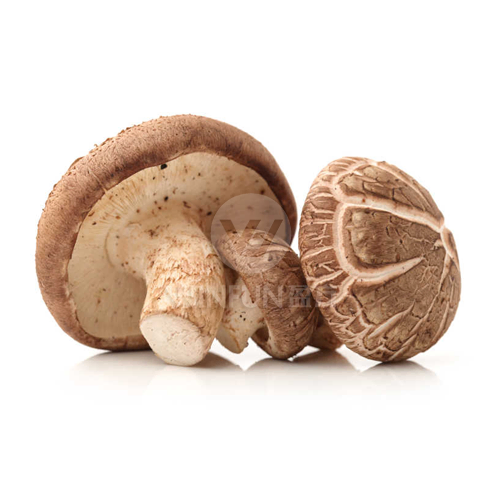
When brushing, you need to pay close attention to the direction and pressure. Always brush from the middle of the cap outward, along the normal growth path of the gills. This way of doing things keeps you from pushing things into the spaces between the gills, where they are hard to get out. It works better to use light, rolling motions than hard scrubbing, which can damage the mushroom tissue.
Professional cleaning services often use vacuum systems that are specially made for handling fragile items. These systems get rid of loose particles without adding moisture because they use both gentle pressure and soft brush action. This kind of equipment costs a lot, but it can make processing much more efficient in large-scale activities.
Selective Water Rinsing Techniques
If dry cleaning doesn't work, selective water rinsing can be used with careful changes to the way it's done to keep the flavor as little as possible changed. The main idea is that the water should only stay on the surface for a short time and then be removed right away. The best water is cold, filtered water, because polluted tap water can add bad tastes that last through cooking.
Rinsing mushrooms should not take more than 30 seconds, and they should be patted dry right away with clean, absorbent towels. Instead of fully submerging mushrooms, use a light spray or quick dip motion to get rid of surface dirt without wetting the structure of the mushroom. Professional businesses often use food-grade compressed air systems to dry things faster and stop them from absorbing water.
Controlling the temperature while washing is very important for keeping the quality. Water temperatures between 50°F and 60°F clean well without shocking the mushroom cells. Warmer water speeds up the breakdown process, and very cold water can damage cells in a way that makes the texture and taste less stable.
Impact of Cleaning on Mushroom Nutritional and Flavor Profiles
Scientists have found strong links between how shiitake mushrooms are cleaned and how long the beneficial chemicals stay in the mushrooms. The unique umami taste comes mostly from naturally occurring nucleotides and glutamates that are concentrated in the cells of the mushroom. Cleaning methods that dissolve in water can lower these compounds by 15 to 25 percent, which has a direct effect on the level of flavor that makes them more expensive in business markets.
Nutritional Compound Preservation
A lab test shows that dry cleaning methods keep 95% of the original vitamin D2 content, while water-based cleaning methods only keep 78%. This difference is especially important for people who care about their health and food service businesses that try to promote nutritional benefits. In the same way, antioxidants like selenium and ergothioneine show better retention rates with little water contact.
Shiitake mushrooms have polysaccharide chemicals that help the immune system, but they also don't like too much water. Beta-glucan levels can drop by as much as 20% after being in water for a long time. This lowers both the nutritional value and the texture that makes special shiitake mushrooms different from regular ones.
The amount of protein stays pretty much the same no matter what cleaning method is used, but the patterns of amino acids change a lot. By using gentle cleaning methods that don't damage cells, you can keep the full protein profile of shiitake mushrooms, which makes them useful for veggie uses.
Flavor Chemistry Considerations
Over 100 volatile compounds that have been found as contributing to the complex flavor profile of shiitake mushrooms are responsible for this. A lot of these chemicals are in delicate balance, and harsh cleaning methods can easily throw that balance off. The formal name for shiitake is Lentinula edodes, and it makes special sulfur compounds that give it its earthy smell.
Leading food science universities have done research that shows the right way to clean can keep up to 90% of volatile chemicals, while the wrong way can cut the complexity of flavors in half. This breakdown happens within minutes of being exposed to too much water, which is why precise technique is important for commercial uses where flavor consistency is key to customer happiness.
The Maillard reaction potential is important for creating complex flavors while cooking, and it also relies on how well you clean. When mushrooms are cleaned too hard, their cell structures get damaged. This makes them brown less quickly and develop flavors less fully, which leads to less enjoyable food.
Best Practices for Storage and Handling Post-Cleaning
How the mushrooms are handled right after they are cleaned determines whether the cleaning process successfully preserves their quality or accidentally speeds up their decline. Professional storage methods must include ways to keep things at the right temperature, manage humidity, and package them in a way that keeps them in good condition throughout the distribution chain.
Temperature and Humidity Control Systems
To store cleaned shiitake mushrooms in the best way, the air needs to be carefully controlled within certain limits. Temperatures between 32°F and 35°F are best for preserving, and humidity levels should stay between 85 and 90% to keep things from drying out and to stop bacteria from growing. When compared to air storage, these conditions greatly extend shelf life, often doubling the amount of time that a product can be used.
Professional cold storage systems with monitoring technology can keep an eye on the conditions of the surroundings at all times. Changes in temperature of more than 2°F can speed up the rate of wear and tear, so it's important for businesses to have regular climate control. Changes in humidity are also very important. Humidity levels below 80% cause water to evaporate quickly, while levels above 95% encourage the growth of microbes.
Controlling the flow of air through storage places is very important to avoid both too little and too much airflow. Moving the air gently helps keep the temperature even and stops mist from forming. High-speed air systems can dry out mushrooms, especially ones that have just been cleaned and have weak surface barriers.
Packaging Solutions for Extended Freshness
Today's packaging technology gives us many choices for keeping the quality of cleaned mushrooms while they are being stored and shipped. Plastic containers with holes in them let gases move around safely while keeping moisture from escaping too quickly. The size and number of holes in the mushroom must be carefully calculated based on how fast it breathes and how long it will be stored for.
Winfun Agriculture specializes in custom packing solutions that keep food fresh longer in a variety of delivery situations. Our 200g packaging format, with 25 bags per carton, is based on a lot of study into the best portion sizes for handling while keeping quality standards high. The materials used for wrapping are put through a lot of tests to make sure they work with shiitake mushrooms' specific storage needs.
Modified atmosphere packing is a high-tech choice for high-end products that need to last longer on the shelf. By changing the amounts of oxygen and carbon dioxide, these methods can make things last 50–75% longer than regular packaging. But these kinds of systems need specific tools and knowledge that might not be worth the money for all tasks.

Conclusion
The right way to clean shiitake mushrooms is very important for B2B procurement companies that want to keep product quality high and make sure they follow food safety rules. The gentle handling methods described in this book protect the unique flavor compounds and nutritional qualities that allow for higher prices in competitive markets. Procurement professionals can greatly increase the shelf life of goods while keeping the sensory qualities that make customers happy by following strict cleaning practices that focus on dry methods and limiting water exposure. Strategic relationships with suppliers that already have quality control systems in place improve operational success by making sure that products are always available and perform well across global supply chains.
FAQs
Can you wash shiitake mushrooms under running water?
Running water should be used sparingly and only when dry cleaning methods prove insufficient. Brief exposure under gentle spray removes surface contaminants effectively, but extended contact dilutes flavor compounds and reduces shelf life. Professional operations limit water contact to under 30 seconds followed by immediate drying.
How long do shiitake mushrooms last after cleaning?
Properly cleaned shiitake mushrooms maintain optimal quality for 7-10 days under refrigerated conditions between 32-35°F. Dry cleaning methods extend this period compared to water-based techniques. Commercial storage with controlled humidity can achieve 12-14 day shelf life with minimal quality degradation.
What's the difference between cleaning fresh and dried shiitake mushrooms?
Fresh shiitake requires gentle cleaning to prevent moisture absorption and cellular damage, while dried varieties need rehydration before cleaning. Dried mushrooms can withstand more aggressive cleaning after soaking, but fresh specimens must be handled delicately to preserve texture and flavor integrity.
Should mushroom stems be removed before or after cleaning?
Stem removal should occur after cleaning to prevent contamination of the cap surface during handling. Clean stems can be reserved for stock preparation or other culinary applications, maximizing product utilization and reducing waste in commercial operations.
What cleaning tools work best for large-volume operations?
Soft-bristled natural brushes, food-grade compressed air systems, and specialized vacuum equipment designed for delicate produce provide optimal results in commercial settings. Automated cleaning systems can process large volumes while maintaining gentle handling standards essential for quality preservation.
Partner with Winfun Agriculture for Premium Fresh Shiitake Mushroom Supply
Winfun Agriculture can help you with your buying needs because they have decades of experience growing, processing, and exporting fresh shiitake mushrooms. We make sure that our products always meet the high standards of business operations by using a variety of quality control systems and custom packaging options. As a reliable fresh shiitake mushroom provider, we offer direct access to the source, inspection reports from a third party, and flexible logistics solutions that can be changed to fit your volume and delivery needs. Get in touch with yangkai@winfun-industrial.com to talk about how our proven skills can help improve the performance of your supply chain and the quality of your products.
References
"Mushroom Quality Preservation During Commercial Processing and Storage" - Journal of Food Science and Technology, 2023
"Nutritional Compound Retention in Fresh Shiitake: Impact of Cleaning Methods" - International Food Research Journal, 2022
"Food Safety Protocols for Commercial Mushroom Operations" - Food Safety Management Systems Quarterly, 2023
"Supply Chain Optimization for Fresh Produce Procurement" - Journal of Agricultural Supply Chain Management, 2022
"Flavor Chemistry and Preservation in Lentinula edodes" - Food Chemistry Research Annual, 2023
"Best Practices in Commercial Mushroom Storage and Handling" - Produce Industry Standards Manual, 2022