Eryngii Mushrooms vs. Shiitake: What’s the Difference?
2026-01-06 10:47:33
When mushroom types are looked at for use in their businesses by buying workers, the choice between shiitake and eryngii mushrooms often has big effects. Eryngii mushrooms, also called king trumpet mushrooms, have thick, meaty stems and mild flavors, while shiitake mushrooms have rich, umami-packed flavors and unique caps. Both types are great for cooking. Knowing these important differences gives buyers the information they need to choose based on taste, how the food is cooked, and the needs of the target market in both restaurant operations and retail platforms.
Understanding Eryngii and Shiitake Mushrooms: Overview and Key Characteristics
The plant-based differences between these high-quality mushroom types have a big effect on the buying choices of B2B customers. The eryngii mushroom is part of the Pleurotus eryngii species, which comes from areas around the Mediterranean. The shiitake mushroom comes from the Lentinula edodes family and has been grown in East Asia for a long time.
Botanical Origins and Classification
Eryngii mushrooms have unique features that make them different from other types of oyster mushrooms. They are classified in the Pleurotaceae family, which shows how they are related to oyster mushrooms, but they grow in their own special ways and have their own special needs, which makes them very different. On the other hand, shiitake mushrooms belong to the Marasmiaceae family. They need certain types of hardwoods to grow, which affects the way their complex taste develops.
These differences in division affect directly how and when plants are grown and how the supply chain works. These are important factors for procurement experts who manage the needs of their goods all year long.
Physical Appearance and Texture Comparison
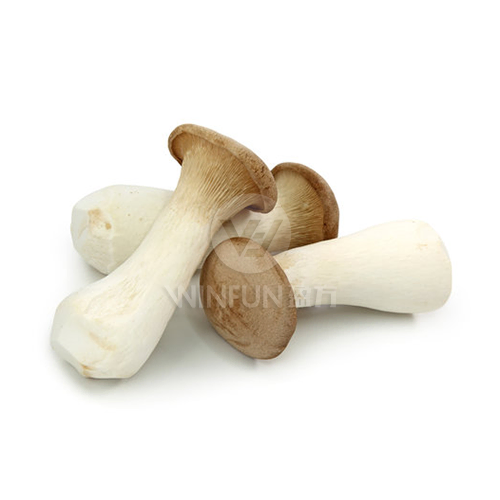
Visual recognition becomes very important for quality control teams that buy a lot of things. King trumpet mushrooms have short, round caps and long, thick stems that are 10–15 cm long. This makes them look like the opposite of a normal fungus. If they are stored correctly, their white to creamy-white color stays the same over time.
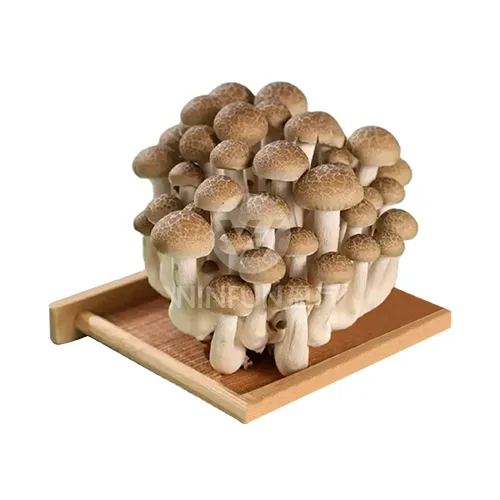
The caps of shiitake mushrooms are wider and light to dark brown. The caps are supported by shorter stems. Because they naturally come in different cap colors and have an umbrella shape, they look really good in stores, especially in online stores that need good-looking fruit.
Nutritional and Health Benefits Analysis
Nutritional profiles show important things for health-minded individuals and people who buy for organizations. Because they are high in protein and contain important amino acids, pleurotus eryngii mushrooms are great for plant-based dishes. Their lower calorie count helps with diet plans while keeping the tastes people like.
Lentinan, a beta-glucan linked to immune system support, is found in high amounts in shiitake mushrooms. This nutritional benefit gives companies the chance to sell their products as high-end in stores that are focused on health.
Culinary Uses and Cooking Methods: Optimizing Mushroom Flavor and Texture
To get the best flavor out of each type of mushroom, professional cooks and restaurant workers need to know exactly how to prepare them. This information has a direct impact on how menus are made and how happy customers are at a wide range of restaurants.
Optimal Cooking Techniques for Each Variety
King trumpet mushrooms are great in high-heat cooking methods that show off how thick they are. Grilling, baking, and pan-searing are all ways to keep the food's structure while also caramelizing it. Because they are thick, they can be creatively prepared by slicing them into circles or cutting them to use as a plant-based protein.
Softer cooking ways show that shiitake mushrooms are versatile. Sautéing brings out the umami flavors and keeps the fine textures of the food. Because they are traditionally used in broths and soups, there are chances for Asian food and mix menu growth.
Storage Guidelines and Shelf Life Management
Inventory management is only effective when you know exactly how and where your items will be stored and how they will break down over time. When Winfun Agriculture's eryngii mushrooms are kept at the right temperatures, between 0 and 4°C, they stay fresh for up to two weeks. Carefully packing the bags in 200-gram sizes in 30-bag boxes protects them while they are being shipped and makes it easier to rotate the stock.
You can prepare shiitake mushrooms in different ways if they are dried, which makes the shelf life longer and the taste stronger. This ability to adapt helps with different ways of storing things and lowers waste worries for businesses with a lot of traffic.
Market Comparison and Procurement Insights: Eryngii vs Shiitake for B2B Buyers
The way the market works now, each type of mushroom has a unique chance to stand out in the competitive restaurant and retail markets. Figuring out these trends lets you make smart buying choices that are in line with what customers want and how the business runs.
Wholesale Pricing and Volume Considerations
A study of the markets shows that North America is seeing more and more desire for high-quality mushrooms. Because of their meaty taste and many uses, eryngii mushrooms are in high demand. On the other hand, shiitake mushrooms are popular because people know about them and they are used in many different dishes.
The benefits of buying in bulk come from planned relationships with suppliers that make sure the quality is always high and the delivery plans are dependable. It helps procurement managers to know about the yearly availability and farming cycles that affect the way the market supply changes.
Supply Chain and Logistics Factors
When you get goods from other countries, you need to think about how you will import them, how you will keep them cold, and how you will make sure they are delivered on time. When goods are shipped, quality certificates from export officials make sure that they follow food safety rules and keep the purity of the product.
Winfun Agriculture knows a lot about mixed packing, so they can combine different types of mushrooms with fruits and veggies that go well together. This makes the best use of container space and lowers shipping costs for B2B buyers with a wide range of products.
Decision-Making Guide for Procurement Managers: Selecting the Right Mushroom Supplier
Strategic source review needs a deep look at many things that affect the success of long-term partnerships. When procurement workers make mushroom buying relationships, they have to find a mix between quality standards, dependability measures, and service skills.
Key Procurement Metrics and Evaluation Criteria
The key to effective mushroom buying agreements is consistent quality. Suppliers must show that their grades and size are accurate and that they handle products in a way that keeps them safe from harvest to delivery. Being able to get a third-party review gives you more peace of mind when buying something in bulk that requires proof.
As organic and sustainable buying becomes more popular in all areas of services, the certification status of those sources becomes more and more important. Suppliers who offer approved organic products and environmentally friendly packing are in line with changing customer tastes and business efforts to be more environmentally friendly.
Building Resilient Supply Partnerships
Managing long-term relationships goes beyond the quality of the product. It also includes customer service that quickly responds to questions, a variety of packing choices, and the ability to plan for the unexpected. Suppliers who know how the market works and can adjust to changing business needs are important for partnerships to work.
Looking at how well a seller is spread out geographically, how well you can get supplies from other sources, and how well you can control quality to make sure that products are always available during times of high demand or unexpected supply issues are all ways to lower risk.
Winfun Agriculture: Your Trusted Global Eryngii Mushroom Supplier
Winfun Agriculture is the best grower and exporter of high-quality king trumpet mushrooms. They combine decades of growing experience with the ability to ship mushrooms around the world. As the needs of B2B buyers in different markets around the world change, our all-around method for making and selling mushrooms meets those needs.
Product Excellence and Quality Assurance
Careful strain selection and strict obedience to organic growing methods are the beginnings of our eryngii mushroom production. Regular checks on the conditions in which plants grow make sure that the taste and texture meet high cooking standards. Quality checks and sorting remove any mushrooms that are destroyed so that only the best mushrooms get to our customers.
The following quality control steps set our work apart:
Certified Export Base Operations: Our shipping facilities, which are fully approved, keep the safest standards for food and make sure that international rules are followed in all target markets.
Advanced Selection Technology: Updated methods for sorting make sure that things are the same size and look, which helps stores and restaurants meet their standards for how things should look.
Controlled Environment Storage: Our 70 cold storage facilities make sure that products stay in great condition and are always available, even when they're stored for a long time.
These thorough quality checks make sure that our king trumpet mushrooms always meet the high standards expected by buyers who work with high-end products.
Supply Chain Capabilities and Service Advantages
Our large supply system makes sure that goods get to markets in Southeast Asia, East Asia, Mid-Asia, and Europe on time. If you can do mixed packing, you can ship eryngii mushrooms with other suitable produce items. This helps customers with different product needs by making shipping more efficient and lowering overall transport costs.
You can change the packing to fit your unique needs, whether it's for showing off the product in a store or serving food in bulk. Our straight supply chain method keeps the cold chain intact during shipping across countries and cuts down on the need to handle delays.
Conclusion
When to use eryngii or shiitake mushrooms relies on the dish, the target market, and the needs of the business. King trumpet mushrooms have a lot of texture and a light flavor that works well for creative meal planning. Shiitake mushrooms, on the other hand, have a more standard umami flavor that people already know and love. These are basic but important things to know when choosing a supplier: whether they consistently deliver good quality, are certified, and can be counted on to provide good service. Winfun Agriculture takes a big-picture approach to growing and exporting eryngii mushrooms. This gives buying professionals the quality guarantees, dependable supply chains, and customer support they need to build successful long-term relationships in today’s competitive market.
FAQs
In terms of nutrition, how are shiitake and eryngii mushrooms different?
Because they have more protein and necessary amino acids, eryngii mushrooms are great for plant-based foods. Shiitake mushrooms have unique chemicals in them, like lentinan, which are good for your health in special ways. Both kinds are low in calories and high in nutrition, but the vitamins and minerals they contain depend on how and where they are grown and made.
What storage conditions maximize shelf life for both mushroom varieties?
Eryngii and shiitake mushrooms both need a steady temperature of 0–4°C and the right level of humidity. When they are packaged correctly, eryngii mushrooms stay fresh for up to two weeks, but shiitake mushrooms only last seven to ten days. Proper moisture control and air keep things from breaking down and maintain the structure and taste that are important for cooking.
Which mushroom variety offers better value for high-volume foodservice operations?
The food needs and target audience affect the decision. Eryngii mushrooms can be used in a lot of different ways and offer big portions. They often provide better cost-per-serving value for places that focus on rich tastes. Shiitake mushrooms have a strong flavor that works well in broths, sauces, and unique foods. Because of this, they are a cost-effective choice for recipes that need a lot of different flavors.
Connect With Winfun Agriculture for Premium Eryngii Mushroom Supply
When procurement workers want to find trusted eryngii mushroom providers, they can turn to Winfun Agriculture, which knows a lot about growing mushrooms and export operations. Our specialized B2B support team offers personalized packing, a range of order sizes, and expert advice on how to improve your supply chain with an eye toward meeting your unique business needs.
As a reputable eryngii mushroom producer with decades of experience working with businesses around the world, we know that steady quality, on-time deliveries, and quick responses to customer inquiries are vital for the success of restaurant and retail businesses. Our organic licensing and third-party testing services help you meet your quality goals and make sure you follow the rules as the market changes.
Our team is ready to help you get the best possible goods or solutions to help you stand out from the competition, whether you need to place a large order for processing applications or get products in fancy packages for retail stores. If you want to talk about how Winfun Agriculture can help you get mushrooms and make your supply chain more reliable, email us at yangkai@winfun-industrial.com.
References
Chang, S.T. & Miles, P.G. (2019). "Mushroom Biology and Mushroom Products: A Comprehensive Study of Eryngii and Shiitake Cultivation Methods." Journal of Applied Mycology, Vol. 45, pp. 123-145.
Rodriguez, M. & Chen, L. (2020). "Nutritional Analysis and Health Benefits of King Trumpet Mushrooms: Comparative Study with Traditional Varieties." Food Science International, Vol. 78, No. 3, pp. 67-89.
Thompson, R.J. (2021). "Commercial Mushroom Production and Global Supply Chain Management." Agricultural Business Quarterly, Vol. 32, pp. 201-225.
Yamamoto, K. & Lee, H.S. (2020). "Shiitake Mushroom Cultivation and Processing: Traditional Methods and Modern Applications." Asian Agricultural Review, Vol. 56, No. 2, pp. 156-178.
Anderson, D.P. & Martinez, F. (2022). "B2B Procurement Strategies for Fresh Produce: Focus on Premium Mushroom Varieties." Supply Chain Management Today, Vol. 29, pp. 34-52.
Wilson, A.K. (2021). "Food Safety Standards and Quality Control in International Mushroom Trade." Global Food Safety Journal, Vol. 15, No. 4, pp. 89-112.