Application of White Enoki Mushrooms for Healthier Meat Formulation
2026-09-08 20:21:51
White enoki mushrooms (Flammulina velutipes) are making meat production healthier by being an important ingredient that lowers fat, boosts umami flavor, and makes processed meat products keep more of their wetness. Their delicate texture and light flavor make it easy to add them to a wide range of meat products, such as burgers, sausages, meatballs, and cold meats, without changing the traditional flavor profiles. Because they are low in calories, high in fiber, and naturally anti-inflammatory, these mushrooms help the food industry deal with important issues like health claims, clean labeling, and making sure that the taste is consistent, all of which are things that modern customers want.
Understanding White Enoki Mushrooms: Nutritional Profile and Culinary Attributes
Origin and Physical Characteristics
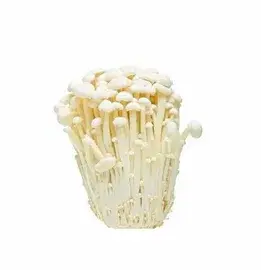
White enoki mushrooms have been grown mainly in East Asia for hundreds of years. They have long, thin stems that are 10 to 15 cm long and small white caps that are 2 to 3 cm across. When these mushrooms grow together, they form tight groups that look very nice. This makes them great for food service and displaying in stores. The managed farming methods that limit light exposure during growth give them their snow-white color. This makes them different from their wild cousins, which have darker orange-brown colors and shorter stems.
Nutritional Advantages for Meat Applications
Because of their nutritional value, white enoki mushrooms are useful functional ingredients in meat making. They have a lot of fiber and almost no calories, which is a big plus for companies that want to make health-related claims about their products. These mushrooms naturally have beneficial antioxidants that help keep the product stable, as well as B vitamins, important minerals like potassium and phosphorus, and minerals that your body needs. Their chemicals that increase umami, especially glutamic acid derivatives, make meat products taste more savory without adding extra flavor enhancers or salt.
Comparative Culinary Versatility
When compared to shiitake, oyster, or brown enoki varieties, white enoki mushrooms are much better for meat producers. Because they have a mild, slightly sweet flavor, they work well with a wide range of meat recipes without adding any other tastes that might not go with the usual seasonings. The fine texture changes in the right way during the grinding and mixing steps, spreading evenly through the meat mixtures instead of making particles that can be seen. This ability to change texture is especially helpful for keeping the mouthfeel uniform across production batches, which is a very important quality control issue for grocery store chains and wholesale wholesalers that serve retail markets.
Challenges in Traditional Meat Formulations and How White Enoki Mushrooms Address Them
Common Formulation Obstacles
Developing traditional meat products is getting harder from a lot of different angles. High fat content makes it less appealing to health-conscious shoppers and makes it harder to get good nutritional labels. Texture that isn't the same from one production run to the next makes quality control difficult, which hurts the brand's image and retailers' trust. Product lines that don't come up with many new flavors are more likely to be replaced by competitors, especially as people look for more exciting but healthy choices. These reasons add up to make things very hard for category buyers and sourcing managers who are supposed to keep their product lines competitive.
Manufacturers also have trouble keeping wetness in products while they are cooking and storing them, which lowers the output and charm of the products. Too much purge in packaged goods makes them look bad, which makes people not want to buy them at the store level. Getting longer shelf life without using too many preservatives is still hard, especially for food service companies who need to keep quality high throughout distribution processes. Because white enoki mushrooms naturally have useful qualities, they can be used in meat systems to solve these related problems in the real world.
Functional Benefits in Meat Systems
When used as a partial meat alternative, white enoki mushrooms lower the total calorie density by a large amount. Depending on the type of product, they are usually added at rates between 10 and 30 percent by weight. Because mushrooms are made up of complicated polysaccharide structures, they can hold a lot of water. This helps them keep their wetness during processing, cooking, and keeping. This control of moisture directly leads to higher cooking outputs and lower purge loss, which has measured economic benefits in addition to better eating quality. The natural fiber content gives the product body and structure that make up for the lower fat levels, keeping the mouthfeel that consumers like in revised goods.
Because these mushrooms naturally contain umami compounds, they make meat flavors stronger. This means that formulators can make tasty foods with less salt or easier spice systems. This ability to improve taste is especially useful for goods that are aimed at health-conscious consumers while still appealing to a wide range of people. For processing companies that want to make formulas with cleaner labels, these mushrooms make it possible to list ingredients in a way that is more in line with what modern consumers want. Several meat producers in North America have successfully added mushroom-meat blends to their retail burger lines. The burgers have been well received by customers and meet the strict nutritional standards set by major store chains.
The Science and Process of Integrating White Enoki Mushrooms into Meat Formulation
Key Bioactive Components
White enoki mushrooms work well in meat systems because they have bioactive compounds that combine well with the proteins and fats in meat. Some types of dietary fiber, like beta-glucans and chitin derivatives, make networks that hold water and fat bits inside the product. In addition to changing the feel, these polysaccharides provide stretchy resistance that is similar to the way muscle tissue bites when it is whole. Antioxidant compounds, like ergothioneine and different phenolic compounds, keep lipids from oxidizing, which keeps the color and taste of final goods stable for longer.
Naturally occurring umami-active amino acids and nucleotides in mushroom tissue work together with similar chemicals found in meat to make it taste tastier by activating taste receptors. This biochemical synergy makes it possible for products with less sodium to keep a satisfactory level of taste strength. Even though the protein level is low compared to meat, it helps the food stay together during heat processing. Fresh mushrooms have enzymes that stay active during the early stages of cooking. If temperature and pH levels are controlled correctly, these enzymes may help tenderize meat.
Integration Protocol for Industrial Applications
Choosing and preparing the right raw materials is the first step to successful mushroom inclusion. Fresh white enoki mushrooms should have a firm texture, be bright white, and not smell or feel slimy. These are all quality signs that buying teams can easily check when the mushrooms are delivered. As the first step in processing, the basal cluster part is cut off, the sample is washed thoroughly in water at a controlled temperature, and it is cooled right away to protect the cells' integrity. Depending on the needs of the recipe, mushrooms may be chopped, ground, or pureed to get the right particle size distribution in the final meat mix.
Mixing protocols must take into account the extra water that mushrooms add, and general water addition rates must be changed to keep finished goods at the right amount of moisture. Many times, staged mixing methods work better. For example, mushroom material should be added early on in the mixing process to get the most out of protein extraction and bond growth. Controlling the temperature while mixing keeps the mushrooms from going bad too quickly and makes sure that the proteins in the meat are properly dissolved. During the integration process, quality control checks keep an eye on the moisture content, particle distribution, and binding properties to make sure that each batch is the same.
Shelf Life and Storage Optimization
Adding mushrooms changes the stability of the end product in more than one way. The natural antioxidant systems help stop reactive rancidity, a process that usually shortens the shelf life of fresh and frozen meat. Better moisture binding lowers the amount of available water, which stops the growth of microbes without the need for extra preservatives. The right mixture design strikes a balance between these natural benefits for preservation and the need for strong cold-chain management. It is best for the quality of mushroom products to be kept at consistent temperatures in the fridge and sent through dependable transportation systems that can keep the temperature stable. This is what sets professional suppliers like Winfun Agriculture apart from less-established ones.
Procurement Insights: Sourcing Quality White Enoki Mushrooms for Industrial Meat Applications
Supplier Selection Criteria
To find trusted white enoki mushrooms suppliers, you need to evaluate them systematically across a number of performance factors. One important thing that is looked at when screening suppliers is their certification status. Suppliers whose export facilities are 100% certified and accepted by national quarantine officials are given preference. These licenses show that the company follows international standards for food safety and give customers confidence in their production methods. Traceability systems that let you follow a product from the time it is grown to the time it is shipped make it easy to quickly address any quality issues and meet the audit requirements set by big retailers and food service providers.
Sustainability commitments increasingly influence procurement decisions as corporate responsibility initiatives gain prominence across the food industry. Suppliers that show they can use resources efficiently and have trash reduction programs and environmental management systems in place are in line with company goals and may help lower long-term supply chain risks. Production capacity and regional diversity are two more things that suppliers should think about when deciding which ones to work with. Winfun Agriculture runs more than seventy cold storage facilities that allow for constant delivery all year long, providing a steady flow of raw materials for production plans.
Market Dynamics and Bulk Purchasing Strategies
Understanding yearly trends of supply and regional production cycles helps procurement teams get the best deals on goods and keep track of their stock. Even though farmed white enoki mushrooms are grown in controlled environments that make them available all year, there are still small changes in quality and price that depend on where they are grown and how much the inputs cost. Setting up framework deals with main suppliers protects against supply disruptions that could stop production lines or require expensive changes to formulations. This way, prices stay stable and allocation is promised during times when the market is tight.
Volume consolidation across multiple product lines or processing facilities can improve negotiating situations and open the door to better terms that represent the supplier's lower transaction costs and better use of capacity. Mixed container packing, which includes mushrooms and other produce that needs to be kept at the same temperature, improves operations and lowers the cost of shipping each unit. Winfun Agriculture knows how to organize packages of different types of crops, which helps clients increase inventory turns and keep products fresh by improving supply chain pace. Working directly with suppliers from the source cuts out the middlemen and their markups, making prices more competitive while keeping quality standards high through better communication.
Logistics Management for Large-Scale Demand
Getting mushrooms for meat uses works best when the cold chain operations are working well. Temperature changes that happen during shipping or storage quickly lower the quality of mushrooms, making them less useful right away and less effective in the future. How well a supplier manages the cold chain, which includes having refrigerated storage, temperature-controlled shipping, and quick customs clearance, has a direct effect on the quality of the product that is provided. Third-party inspection reports sent before shipping provide extra quality security by checking the product's specifications before it starts its journey across foreign borders.
When judging a seller, you should pay close attention to how they assign containers and how reliable their shipping schedules are. Suppliers who have good relationships with carriers and know how to fill out export paperwork can avoid delays that make delivery times longer and raise quality risks. Custom packing choices that are made to fit the handling systems in receiving facilities make unloading and integrating goods into production processes easier. These operational details significantly influence the total cost of ownership and the efficiency of operations throughout the supply partnership.
Strategic Advantages of Using White Enoki Mushrooms in Healthier Meat Production
Market Positioning and Consumer Trends
People are becoming more aware of the importance of nutrition in health, which is driving the growth of health-enhanced protein goods in both store and food service. Adding white enoki mushrooms to meat products is a way to address this trend while keeping known forms that don't require customers to change how they behave. People who are flexitarian and want to eat less meat without completely switching to plant-based foods like the "mushroom blend" marketing. This market group has a lot of growth potential, especially among younger people and urban populations where health awareness is linked to buying power.
Economic Considerations and Value Optimization
Adding white enoki mushrooms raises the cost of the ingredients compared to regular recipes, but a full financial study shows that there are many benefits that more than balance this out. Better moisture retention leads to higher cooking outputs, which lowers the cost of raw materials per serving. Longer shelf life cuts down on waste and loss all along the distribution chain, which boosts net margins for everyone. Because these mushrooms add taste, they can make seasoning systems easier, which can lower the total ingredient cost. Premium price possibility for health-focused goods often goes beyond the cost of the extra ingredients, which increases gross margins for both makers and sellers.
Innovation Potential and Scalability
Because mushrooms and meat preparation systems work together in basic ways, there is a lot of room for innovation that goes far beyond the first uses. To make certain types of products better, formulators can try out different mushroom addition rates, particle size ranges, and processing methods. Combining different kinds of mushrooms gives you more ways to change the taste and appearance. When you mix useful ingredients that work well together, like plant proteins, hydrocolloids, or other veggie parts, you can make next-generation hybrid goods that meet changing customer tastes while still being able to be used on a large scale.
Process flexibility makes it possible for mushroom-enhanced formulations to work with current production systems with little to no extra cost. Standard tools for grinding, mixing, and shaping can be used with mushroom-containing recipes by making simple changes to the recipe and the process parameters. This compatibility allows for quick marketing times, letting the market respond quickly to new chances before they become too competitive. Mushroom production uses known supply chains and cultivation methods to ensure ingredient availability grows with demand, without the bottlenecks that can make it hard to use new ingredients.
Conclusion
For meat producers looking to make better product recipes without losing customer acceptance or business efficiency, white enoki mushrooms represent a tried-and-true, commercially viable answer. Their special mix of health benefits, useful properties, and food compatibility solves important problems in the business and helps with positioning in growth-oriented market groups. It's important to pay close attention to procurement practices, source selection, and integration processes for a successful execution, but the benefits, which include better product performance, market differentiation, and financial returns, make the development investment worthwhile. Mushroom-enhanced meat formulations give forward-thinking companies the chance to take advantage of growing possibilities in this fast-paced market as customer tastes continue to shift toward healthier protein options.
FAQ
What percentage of mushrooms can be incorporated into meat products?
Depending on the type of product and the features of the target, typical absorption rates are between 10 and 30 percent by weight. Twenty to twenty-five percent white enoki mushroom content is often used in ground beef recipes. This adds a lot of nutrition while keeping the familiar taste and structure. Because the seasoning is stronger in sausages, higher amounts may be okay, but whole-muscle goods usually need smaller percentages. The best rates rely on the needs of the product, what customers expect, and the goals of the marking.
How do mushrooms affect cooking properties of meat products?
White enoki mushrooms-enhanced recipes usually keep more of the wetness during cooking, which leads to higher amounts and juicier finished goods. Most of the time, cooking times and temperatures stay the same from standard recipes. Because the protein content stays the same, the products brown the right way during cooking. However, there may be small color changes based on the amount of mushrooms used. When cooked in different ways, like grilling, pan-frying, or baking, the texture stays delicious.
What shelf life can be expected for mushroom-meat products?
When made and prepared correctly, mushroom meat products have a shelf life that is the same as or longer than that of regular meat products. Fresh foods that are kept in the fridge usually stay fresh for 7 to 14 days, though this depends on how they are packaged and how they are stored. When stored consistently frozen, frozen goods stay stable for several months. Because mushrooms naturally contain vitamins, their color and taste often last longer than in traditional recipes.
Partner With a Trusted White Enoki Mushrooms Supplier for Your Meat Formulation Needs
Winfun Agriculture helps meat makers find reliable, high-quality white enoki mushrooms for new product creation by using their specialized knowledge. Our fully approved export facilities and thorough quality control systems make sure that our products always meet the high standards needed for industrial meat uses. With more than seventy cold storage sites that ensure a steady supply all year, we get rid of the uncertainty of buying things that can throw off production plans. Our ability to load different types of containers at once makes logistics more efficient, and our direct origin buying gives us affordable prices without sacrificing quality. Throughout the supplier partnership, we offer third-party inspection paperwork, custom packaging options, and quick technology help. Get in touch with our purchasing experts at yangkai@winfun-industrial.com to talk about your unique needs and find out how our enoki mushroom supply options can help you make healthier meat products and make your business more competitive.
References
Zhang, Y., Geng, W., Shen, Y., Wang, Y., & Dai, Y. (2014). "Edible Mushroom Cultivation for Food Security and Rural Development in China: Bio-Innovation, Technological Dissemination and Marketing." Sustainability, examining mushroom production systems and nutritional contributions.
Feeney, M. J., Dwyer, J., Hasler-Lewis, C. M., Milner, J. A., Noakes, M., Rowe, S., & Wach, M. (2014). "Mushrooms and Health Summit Proceedings." Journal of Nutrition, documenting health benefits and culinary applications of cultivated mushrooms.
Myrdal Miller, A., Mills, K., Wong, T., Drescher, G., Lee, S. M., & Sirimuangmoon, C. (2014). "Flavor-Enhancing Properties of Mushrooms in Meat-Based Dishes in Which Sodium Has Been Reduced and Meat Has Been Partially Substituted with Mushrooms." Journal of Food Science, analyzing sensory and functional performance.
Guinard, J. X., Myrdal Miller, A., Mills, K., Wong, T., Lee, S. M., Sirimuangmoon, C., & Drescher, G. (2016). "Consumer Acceptance of Dishes in Which Beef Has Been Partially Substituted with Mushrooms: A Pilot Study." Appetite, evaluating market acceptance of mushroom-meat blends.
Cardwell, G., Bornman, J. F., James, A. P., & Black, L. J. (2018). "A Review of Mushrooms as a Potential Source of Dietary Vitamin D." Nutrients, exploring nutritional advantages of mushroom ingredients in food systems.
Cheung, P. C. K. (2010). "The Nutritional and Health Benefits of Mushrooms." Nutrition Bulletin, providing comprehensive analysis of mushroom bioactive compounds and health applications relevant to food manufacturing.